
Main Courses
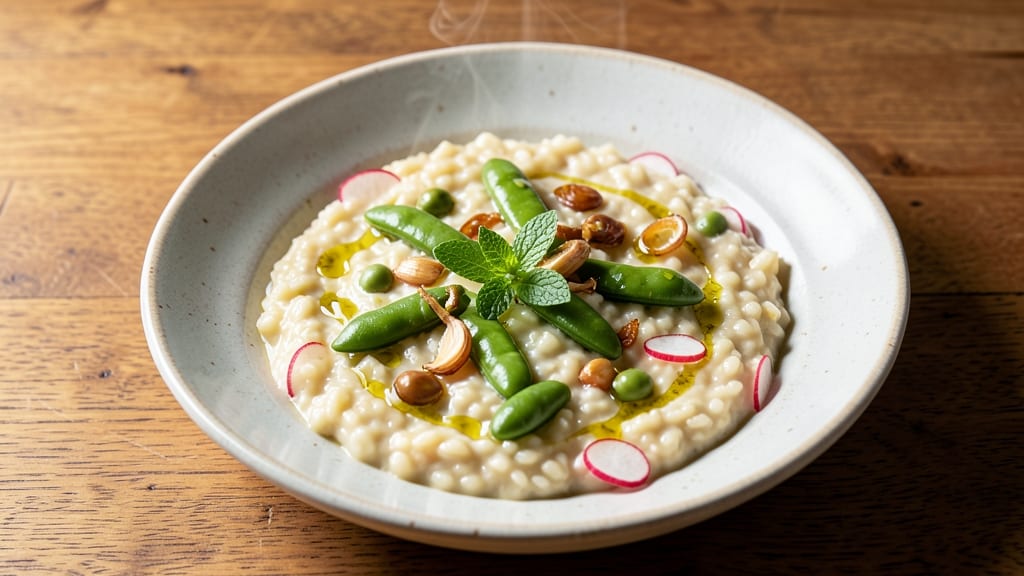
This broad bean risotto recipe transforms simple Arborio rice into a luxurious vegetarian dish with earthy broad beans and velvety texture. The secret lies in slow-cooking the rice with warm broth, allowing each grain to absorb flavor while maintaining that signature creamy consistency.
I developed this recipe after discovering how broad beans—tender yet slightly nutty—elevate risotto from ordinary to extraordinary.
The process is straightforward but requires patience: toast the rice in olive oil until golden, then deglaze with white wine before adding warm vegetable broth gradually. Broad beans (fresh or canned) are added midway for a protein-rich boost that balances the dish's richness.
The result? A dish that's creamy yet light, with broad beans that hold their shape and add satisfying texture.
What makes this risotto truly special is its versatility. Serve it alongside a simple arugula salad or grilled asparagus to complement its earthy flavors, or garnish with Parmesan and fresh herbs for an elegant finish.
The dish is vegetarian but feels hearty enough for any meal, making it perfect for weeknight dinners or special occasions.
For those who love risotto variations, consider adding mushrooms for extra depth or a squeeze of lemon zest for brightness. The key is maintaining the slow-cooking method—rushing it will result in a dry, grainy texture. Trust the process, and you'll achieve restaurant-quality results at home.
Ingredients for broad bean risotto
Creamy Arborio rice meets earthy broad beans in this vegetarian risotto masterpiece.
| Ingredient | Amount | Notes |
|---|---|---|
| Arborio Rice 🍚 | 1 ½ cups | Unrinsed for optimal starch absorption |
| Fresh Broad Beans 🌱 | 1 ½ cups | Shellled, blanched for texture |
| Extra-Virgin Olive Oil 🫒 | ⅓ cup | High-quality, fruity variety |
| Dry White Wine 🍷 | ½ cup | Sauvignon Blanc or Pinot Grigio |
| Vegetable Broth 💧 | 4 ½ cups | Low-sodium, warm before adding |
| Shallots 🧅 | 2 whole | Minced, finely chopped |
| Garlic Cloves 🧄 | 3 cloves | Minced, for aromatic depth |
| Vegetarian Butter 🧈 | 4 tbsp | Plant-based, unsalted preferred |
| Fresh Thyme Leaves 🌿 | 1 tbsp | Chopped, or 1 tsp dried |
| Vegetarian Parmesan Cheese 🧀 | ½ cup | Nutritional yeast blend preferred |
| Lemon Zest 🍋 | 1 tbsp | Fresh, for bright finish |
| Kosher Salt 🧂 | 1 ½ tsp | Diamond Crystal preferred |
| Freshly Ground Black Pepper 🌶️ | ½ tsp | Cracked peppercorns preferred |
| Fresh Parsley 🌿 | ¼ cup | Chopped, for garnish |
The Arborio rice is non-negotiable—its high starch content is essential for that signature creamy texture. Whole Foods or Trader Joe's carry excellent quality, or check the Italian section at your local grocery store. For broad beans, fresh is ideal but canned beans work beautifully if you're short on time—just rinse them well. The vegetable broth should be warm when added, never boiling, to maintain the rice's delicate structure. Imagine Foods makes a great low-sodium option, or make your own from scratch for maximum flavor. Shallots and garlic should be finely minced to dissolve completely into the risotto, creating a rich aromatic base.
No white wine? Substitute extra vegetable broth—just add the same amount of broth to the rice after the initial deglazing step. Fresh thyme is ideal, but dried thyme works at one-third the amount. For a nutty depth, consider adding 1 tbsp toasted pine nuts at the end. The vegetarian Parmesan can be tricky—Follow Your Heart or Violife brands melt beautifully. If you can't find them, a blend of nutritional yeast and white miso creates a similar umami profile. The lemon zest brightens the dish, so don't skip it—Meyer lemons add a subtle sweetness that pairs wonderfully with the broad beans.
This risotto is best made fresh, but it reheats beautifully if stored properly. Keep leftovers in an airtight container in the refrigerator for up to 3 days. To reheat, add a splash of warm broth and gently stir over low heat until creamy. The dish freezes well for 2 months, though the texture may become slightly grainier. For optimal freshness, portion the risotto into individual containers before freezing—this prevents a single large block from becoming dry. The broad beans hold their texture exceptionally well when reheated, making this a perfect make-ahead dish for busy weeknights.
Why You'll Love This Recipe
- One-Pot Magic: I swear by this recipe when I’m too tired to wash a million dishes. The Arborio rice and broad beans cook together in the same pot—no extra pans, no fuss—just stir and savor.
- Spring’s Secret Flavor: That first bite of tender broad beans with their earthy, slightly sweet crunch against the creamy rice? It’s like spring packed into a bowl. The white wine deglazing adds a bright acidity that cuts through the richness perfectly.
- Weeknight to Dinner Party: Honestly, this risotto works everywhere. Too busy for a fancy meal? Toss in pre-cooked beans and a splash of broth. Hosting friends? Garnish with toasted almonds and fresh parsley—suddenly, it’s restaurant-worthy.
- Budget-Friendly Luxury: Arborio rice and fresh broad beans stretch farther than you’d think. I’ve made this for four people for under $15, and the leftovers reheat beautifully with a splash of broth. No waste, all flavor.
Step-by-step instructions for broad bean risotto
Transform simple ingredients into a velvety risotto where broad beans shine alongside Arborio rice.
Blanch and Prep the Broad Beans
Bring a small pot of salted water to a boil and blanch the 1.5 cups fresh broad beans for 3-4 minutes until tender but still holding their shape. Immediately transfer them to an ice bath to halt cooking and preserve their vibrant green color. Drain thoroughly before using.
While the beans cool, peel away the outer skins—this step ensures a silky texture in your risotto. I like to use my fingers for this delicate task, gently rubbing the beans between my palms to remove the papery outer layer. Set the blanched beans aside for later incorporation.
Sauté Aromatics and Toast the Rice
Heat 0.33 cup extra-virgin olive oil in a wide, heavy-bottomed pot over medium heat. Add the 2 minced shallots and cook for 3-4 minutes until they become translucent and just beginning to soften. Add the 3 minced garlic cloves and 1 tablespoon chopped fresh thyme leaves, cooking for another 30 seconds until fragrant.
Increase heat to medium-high and add the 1.5 cups unrinsed Arborio rice, stirring to coat the grains with the oil. Toast the rice for 2 minutes, stirring constantly, until it becomes slightly translucent at the edges. This step develops the rice's signature nutty flavor and prevents gummy texture.
Deglaze and Begin the Risotto Process
Pour in the 0.5 cup dry white wine and stir vigorously until completely absorbed by the rice. You'll notice the wine will disappear quickly—this is normal and essential for building flavor. Once the wine has evaporated, begin adding the 4.5 cups warm vegetable broth one ladle at a time.
After each addition, stir the rice gently but constantly, allowing it to absorb the liquid before adding more. The risotto should simmer gently between additions, with the rice releasing starch that creates the signature creamy texture. This process takes about 18-20 minutes total, so be patient—rushing leads to dry or mushy results.
Incorporate Broad Beans and Finish
When the rice is al dente (about 15 minutes into the cooking process), stir in the blanched broad beans. Add them gradually to prevent breaking the delicate beans. Continue cooking with broth additions until the rice reaches your desired creaminess—typically 2-3 minutes after the beans are incorporated.
Remove the pot from heat and stir in 4 tablespoons vegetarian butter and 0.5 cup vegetarian Parmesan cheese until melted and fully incorporated. The risotto should be luxuriously creamy with a velvety consistency. Season with 1 tablespoon lemon zest, 1.5 teaspoons kosher salt, and 0.5 teaspoon freshly ground black pepper, adjusting to taste.
Rest and Serve Immediately
Let the risotto rest for 2-3 minutes off the heat, allowing the starches to fully set. This resting period is crucial—it gives the risotto time to thicken slightly and develop its final texture. Garnish with 0.25 cup chopped fresh parsley just before serving.
Serve immediately while still warm, as risotto continues to thicken as it cools. Each bite should deliver a perfect balance of creamy Arborio rice, tender broad beans, and bright lemon notes. The dish pairs beautifully with a simple green salad or grilled vegetables for a complete meal.
Pro Tips For Making Broad Bean Risotto
- TOAST THE RICE FIRST: I learned this the hard way—skipping the initial toast in olive oil makes your risotto taste bland. Heat your pan until a drop of water sizzles instantly, then add the Arborio rice and stir for 2 minutes before adding wine. The nutty aroma comes from this step, and it’s non-negotiable for flavor.
- SHELL BEANS IN ADVANCE: Fresh broad beans need patience—shell them all before cooking, even if it takes 10 minutes. The pods are tough, and half-shelling mid-recipe is a mess. Toss the shelled beans in boiling water for 2 minutes to blanch, then shock in ice water to stop cooking. They’ll be tender but still hold shape when added later.
- STIR LIKE YOUR LIFE DEPENDS ON IT: Risotto falls apart when you let the rice sit unmoved. Every 2 minutes, scrape the bottom of the pan with your spoon—this releases starch and prevents gummy rice. If you’re distracted (we’ve all been there), set a timer for 180-second intervals. The crust at the bottom? That’s where the magic happens.
- SAVE THE BROTH ICE: I was skeptical until I tried it—freeze vegetable broth in ice cube trays. When making risotto, toss a cube or two directly into the pot as the rice absorbs liquid. It melts instantly, giving you precise control over texture without diluting the broth’s flavor. No more guessing if you’ve added enough.
Regional styles of these flavors
Italian Spring Tradition
The broad bean risotto you're making has deep roots in Italian springtime cooking, particularly in regions like Tuscany and Emilia-Romagna where broad beans thrive. Traditional versions often incorporate fresh peas and mint alongside the beans, creating a vibrant green risotto that celebrates early spring harvests.
I remember my first trip to Florence where I tried this dish—it was served with a sprinkle of Pecorino Romano instead of Parmesan, adding a sharper, saltier edge that cut through the richness. 🌱
French Green Bean Twist
In France, particularly Provence, this dish evolves into a haricot vert risotto using flat green beans instead of broad beans. The French version often includes a splash of white wine reduction and finishes with herbes de Provence for a more aromatic profile.
I adapted this technique by adding a pinch of fennel pollen (available at specialty markets) for an earthy depth that pairs beautifully with the broad beans. The French approach focuses more on the greens' natural sweetness rather than the beans' earthiness.
Spanish Fava Bean Fusion
Spain's Andalusian region transforms this concept using fava beans instead of broad beans, creating a dish called arroz con habas. The Spanish version often incorporates smoked paprika and garlic-infused olive oil for a smoky depth.
I've experimented with this by adding ½ teaspoon smoked paprika to the initial sauté—it adds warmth that complements the broad beans' natural nuttiness. The Spanish approach also includes a final touch of sherry vinegar for brightness, which works wonderfully with the lemon zest already in your recipe.
Modern Vegetarian Adaptations
Today's vegetarian versions often blend regional techniques with contemporary twists. I've seen gourmet adaptations using miso paste for umami depth or vegan cashew cream for extra richness.
For a modern take on your recipe, try adding 1 tablespoon white miso paste to the final butter mixture—it enhances the broad beans' natural flavors without overpowering them.
Another trend is incorporating roasted broad beans (tossed in olive oil and roasted at 400°F for 15 minutes) for a caramelized contrast to the creamy rice. 💡
Mediterranean Herb Variations
Mediterranean versions often highlight fresh herbs like dill, tarragon, or basil alongside traditional thyme. I've had incredible success adding 1 tablespoon chopped fresh dill to the final seasoning—it pairs remarkably well with the broad beans' earthy notes.
Another Mediterranean touch is finishing with toasted pine nuts (about 2 tablespoons) for crunch. The Greeks often use oregano instead of thyme, creating a more robust herbal profile that works beautifully with this dish.
Northern European Creaminess
In Northern Europe, particularly Germany and Scandinavia, broad bean risotto often incorporates crème fraîche or sour cream for extra creaminess. I've adapted this by adding 2 tablespoons crème fraîche to the final butter mixture—it adds a tangy richness that balances the dish's earthiness.
The Nordic version also frequently includes dill and chives for a bright, fresh finish. For a Scandinavian touch, consider adding 1 teaspoon aquavit (a Scandinavian spirit) to the deglazing wine for a subtle herbal note that complements the broad beans perfectly. ❄️
Nutrition facts
Frequently asked questions
Can I substitute fresh broad beans with canned?
Yes! Canned broad beans work perfectly—just rinse them well to remove excess sodium. For texture, lightly mash half the beans before adding them to the risotto while keeping the rest whole. This creates a mix of creamy and firm textures that mimics fresh beans beautifully.
How do I prevent my risotto from getting mushy?
Use warm (not boiling) broth and stir constantly while cooking. The rice should absorb each ladle of broth before adding more. Also, toast the rice in olive oil for 2 minutes before adding liquid—this builds a protective crust that prevents mushiness. Patience is key!
What's the best wine to use if I don't have white?
Use dry sparkling water or extra vegetable broth instead of wine. For flavor, add ½ teaspoon lemon juice to the broth to mimic wine's acidity. Avoid sweet wines—they'll make the risotto taste unbalanced. The dish will still be delicious!
Can I make this risotto ahead of time?
Fresh is best, but you can prep components ahead: blanch and peel the beans the day before, and toast the rice up to 24 hours in advance. Reheat gently with extra broth over low heat, stirring frequently. For best texture, serve within 3 days of cooking.
How do I make this dish more flavorful?
Try these upgrades: Add ½ teaspoon smoked paprika when toasting the rice, or stir in 1 tbsp white miso paste with the final butter. For freshness, finish with chopped dill or basil instead of parsley. A splash of lemon juice at the end brightens the flavors too!