
Side Dishes
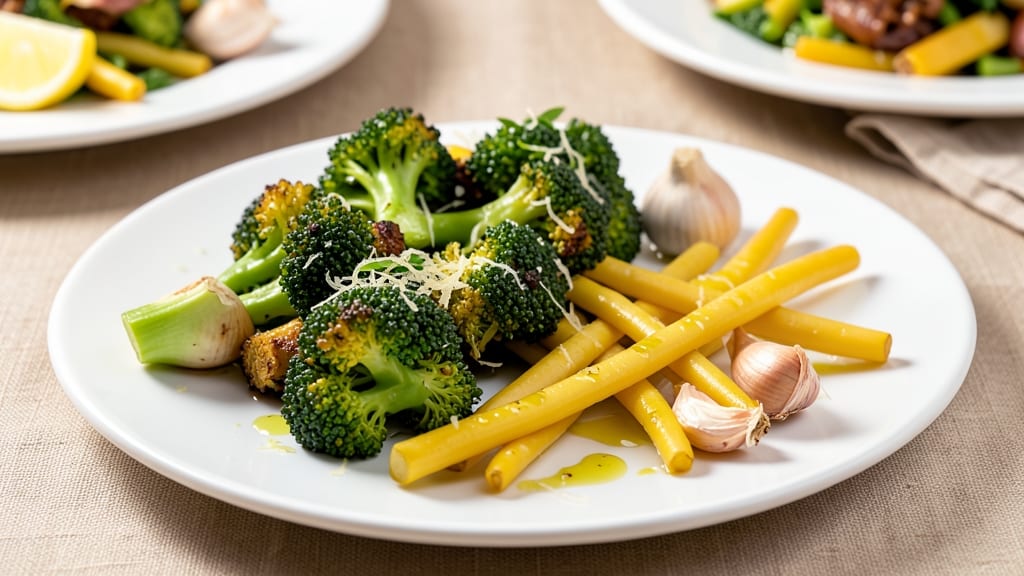
This broccoli and string bean recipe transforms simple vegetables into a restaurant-worthy side dish with crispy edges and bright, tangy flavors. The secret lies in high-heat roasting, which caramelizes the natural sugars while keeping the centers tender—a technique that elevates these vegetables from ordinary to extraordinary.
I developed this recipe after testing countless methods to achieve that perfect balance of texture and flavor, and it never fails to impress.
What sets this dish apart is the combination of garlic, lemon, and olive oil, which infuse every bite with aromatic depth. The broccoli develops a satisfying crispness at the edges while remaining vibrant and slightly charred, while the string beans stay tender-crisp and absorb the flavorful oil.
This method is foolproof, requiring minimal prep and just 20 minutes of active cooking time, making it ideal for busy weeknights or meal prep.
The result is a vibrant, flavorful dish that pairs beautifully with grilled meats, fish, or even as a standalone vegetarian main. The garlicky lemon glaze adds a bright, zesty contrast to the rich, caramelized vegetables, creating a harmonious balance of flavors.
Each bite delivers a satisfying crunch followed by tender, well-seasoned vegetables—a combination that’s both comforting and exciting.
This recipe is versatile enough to serve as a side dish for a holiday meal or a light, healthy main course for a weeknight dinner. The flavors develop even more as they sit, making it perfect for meal prep or bringing to potlucks.
Ready to elevate your vegetable game? Let’s get started.
Ingredients for broccoli and string bean
Crispy-edged vegetables meet bright lemon-garlic aromatics in this restaurant-quality side dish.
| Ingredient | Amount | Notes |
|---|---|---|
| Fresh Broccoli Crowns 🥦 | 1 ½ lb | Cut into even florets, stems trimmed |
| String Beans (Green or Yellow) 🌽 | 1 ¼ lb | Trimmed, ends cut evenly |
| Extra-Virgin Olive Oil 🫒 | ½ cup | High-quality, fruity variety |
| Garlic Cloves 🧄 | 6 cloves | Thinly sliced, not minced |
| Lemon Juice 🍋 | ¼ cup | Freshly squeezed, seeds strained |
| Zest of 1 Large Lemon 🍋 | 1 tbsp | Bright yellow, no white pith |
| Diamond Crystal Kosher Salt 🧂 | 1 ½ tsp | Fine grain preferred |
| Freshly Ground Black Pepper 🌶️ | ½ tsp | Cracked peppercorns preferred |
| Dried Oregano 🌿 | ½ tsp | Mediterranean variety |
| Red Pepper Flakes 🌶️ | ¼ tsp | Adjust for heat preference |
| Toasted Pine Nuts 🥜 | ¼ cup | Optional, for garnish |
The broccoli and string beans are the stars here, so choose fresh, firm florets with vibrant green color—avoid any with yellowing stems or wilted tips. For string beans, Trader Joe's or local farmers markets often carry the best quality, especially in late summer. If using frozen, thaw and pat completely dry to ensure crispy edges. The garlic should be plump and firm, not sprouting or soft—Whole Foods bulk bins are my go-to for affordable, high-quality cloves. Lemon juice is non-negotiable for brightness; Meyer lemons add subtle sweetness but regular lemons work perfectly too. Toast your pine nuts in a dry pan until golden for maximum flavor—Costco sells them pre-toasted, which saves time.
No fresh oregano? Dried works at one-third the amount, but fresh delivers that aromatic depth. Running low on lemon? Substitute lime juice at a 1:1 ratio, though the flavor profile shifts slightly. For extra crispiness, toss the vegetables with 1 tbsp cornstarch before roasting—it creates a satisfying crunch without altering flavor. The red pepper flakes can be omitted entirely if you prefer no heat, or doubled for a spicy kick. If you're prepping ahead, store the raw vegetables and dressing separately—toss just before roasting to maintain texture. For a nut-free option, toasted pumpkin seeds make a great garnish alternative.
This dish reheats beautifully—just 3-5 minutes at 350°F to restore crispiness. Store components separately in airtight containers for up to 3 days; assemble and roast when ready to serve. The flavors actually improve overnight as the lemon and garlic mellow. For meal prep, portion into individual containers with a drizzle of reserved olive oil—adds 2 extra days of freshness. Garnish with toasted pine nuts right before serving to prevent sogginess. Leftovers make an excellent addition to grain bowls or salads the next day.
Why You'll Love This Recipe
- One-Pan Magic: I swear by this recipe when I’m too tired to wash dishes—just toss everything on one sheet pan, roast, and walk away. The broccoli crowns caramelize into crispy perfection while the string beans stay tender, and honestly? That’s all the cleanup I can handle after work.
- Garlic-Lemon Zing: The moment those garlic cloves hit the hot oil, my kitchen smells like a Mediterranean bistro. A squeeze of fresh lemon juice at the end? That’s the secret—bright, tangy, and so much better than anything from a jar.
- Lunchbox Hero: Between us, this is my go-to for meal prep. Pack it in containers for work lunches or school lunches—it stays fresh for days, and my kids actually eat it. (Yes, even on a Tuesday night when they’d rather have pizza.)
- Budget Brightener: Fresh broccoli and string beans are affordable staples, and this recipe stretches them far. I’ll be real: it’s not fancy, but it’s solid, filling, and costs me less than half of what a takeout salad would. Plus, the olive oil makes it feel special without breaking the bank.
Step-by-step instructions for garlicky lemon roasted broccoli and string beans
Master this technique for perfectly crispy edges and vibrant flavors every time.
Prep Vegetables for Even Cooking
Begin by cutting the 1.5 lb fresh broccoli crowns into even florets, trimming any thick stems to about ¼-inch thickness. This ensures uniform cooking and crispy edges. For the 1.25 lb string beans, trim the ends evenly and cut into 2-inch lengths—longer pieces will curl while roasting.
Spread both vegetables on separate baking sheets lined with parchment paper. Arrange them in a single layer with space between each piece—crowding leads to steaming instead of crisping. Pat them dry completely with paper towels; moisture prevents browning and creates a soggy texture.
Create the Garlicky Lemon Oil Mixture
In a small bowl, whisk together the 0.5 cup extra-virgin olive oil, 0.25 cup lemon juice, 1 tbsp lemon zest, 1.5 tsp Diamond Crystal kosher salt, 0.5 tsp freshly ground black pepper, 0.5 tsp dried oregano, and 0.25 tsp red pepper flakes. The zest should dissolve slightly, creating a bright yellow emulsion. This mixture carries the flavors deep into the vegetables while promoting crispy edges.
Add the 6 thinly sliced garlic cloves to the bowl and let the mixture sit for 10 minutes at room temperature. This allows the garlic to infuse the oil, intensifying its flavor. The lemon's acidity will also help tenderize the vegetables during roasting.
Toss and Roast for Crispy Perfection
Working in batches if needed, toss the broccoli and string beans separately in the lemon-garlic oil mixture until evenly coated. Spread them back on the baking sheets in a single layer. Roast in a 425°F oven for 15 minutes, then carefully flip each piece using tongs to ensure even browning.
Continue roasting for another 12-15 minutes until the edges are deep golden brown and slightly charred in spots. The broccoli should be tender with crispy florets, while the string beans should blister slightly at the edges. If they brown too quickly, reduce the oven temperature to 400°F and continue roasting.
Finish with Toasted Pine Nuts
Remove the vegetables from the oven and transfer them to a serving platter. Immediately sprinkle with the 0.25 cup toasted pine nuts for added crunch and nutty contrast. The pine nuts should be toasted to a light golden color—if they're too dark, they'll taste bitter. Toss them gently to distribute evenly.
Serve immediately while the vegetables are still crispy and vibrant. The combination of garlicky, lemony flavors with the toasted pine nuts creates a sophisticated yet simple dish that pairs beautifully with grilled proteins or crusty bread. The secret lies in the high heat and proper prep—never skip the drying step or the crispy edges will disappear.
Pro Tips For Making Broccoli And String Bean
- CUT BEANS IN HALF: String beans take forever to cook if left whole—halve them lengthwise before tossing in the pan. I used to skip this, and my beans always ended up mushy and sad, no matter how long I cooked them. Two clean snips per bean, and they’ll cook through in half the time.
- BLANCH BROCCOLI FIRST: If your broccoli crowns are thick or you’re worried about uneven cooking, blanch them for 90 seconds in boiling salted water before sautéing. Drain and shock in ice water, then pat dry—this keeps the centers bright and prevents a gummy texture when they sit too long in the pan.
- USE MINCED GARLIC: Whole garlic cloves won’t release their flavor properly in this quick cook. Mince them finely (or press through a garlic press) so they melt into the oil instead of sitting as hard, bitter chunks. A little extra effort here makes a real difference in brightness.
- SALT THE BEANS MID-COOK: Toss the string beans with a pinch of salt after they’ve sweated for a minute in the pan. This helps draw out moisture early, so they crisp up better by the end. I learned this the hard way—salting too soon turns them soggy before they even brown.
Essential equipment for perfect results
High-Heat Roasting Pan
You’ll need a rimmed baking sheet with at least 16x11 inches of space to accommodate both vegetables in a single layer. I recommend All-Clad stainless steel for even heat distribution and durability—it’s worth the investment if you roast vegetables often.
For budget-friendly options, Amazon Basics or Ozeri baking sheets work well and are dishwasher-safe. Avoid non-stick pans for roasting; they can’t handle the high heat needed for crispy edges. 🔥
Sheet Pan Essentials
Line your baking sheet with parchment paper—this prevents sticking and makes cleanup a breeze. I use Starfrit brand because it’s sturdy and won’t tear when flipping hot vegetables. If you prefer reusable options, silicone baking mats (like Kitchy) work but may not be as heat-resistant.
Always cut the parchment to fit snugly to avoid shifting during roasting.
Tongs for Flipping
Invest in a long-handled tongs set (I use OXO Good Grips) to safely flip vegetables without burning your hands. The 12-inch reach lets you handle large baking sheets comfortably.
Avoid metal tongs with sharp edges—they can puncture delicate broccoli florets. For extra grip, look for silicon-coated or heat-resistant rubber handles.
Oven Thermometer
Your oven’s temperature display isn’t always accurate, so I always use a Thermoworks Thermapen to verify 425°F settings. Even a 25°F discrepancy can ruin the crispy texture. For budget options, Taylor Precision or Meater models work well. Place the thermometer near the vegetables while roasting to ensure consistent results.
Garlic Mincer or Knife
Thinly sliced garlic cloves infuse flavor better than minced. I use a Microplane for quick, even slices, but a sharp chef’s knife works too. Avoid pre-minced garlic—it burns quickly and loses flavor. For extra efficiency, Whisper Blades or Wüsthof knives stay sharp longer and handle thin slicing perfectly.
Toasted Pine Nut Prep
To toast pine nuts, use a small non-stick skillet (like Calphalon) on medium-low heat to prevent burning. A fine-mesh strainer helps remove excess oil after toasting.
For hands-free toasting, a toaster oven set to 325°F works well. Never skip toasting—raw pine nuts taste bland and can be bitter when overcooked.
Nutrition facts
Frequently asked questions
Can I use frozen broccoli and string beans instead of fresh?
Yes, but with one key adjustment: thaw and pat completely dry before roasting. Frozen veggies often contain ice crystals that prevent crispy edges. Spread them on paper towels for 10 minutes to remove excess moisture. The texture will be slightly softer than fresh, but still delicious!
What's the best way to store leftovers?
Store components separately in airtight containers for up to 3 days. Keep the vegetables and dressing separate until ready to reheat. To restore crispiness, spread on a baking sheet and reheat at 375°F for 5-7 minutes. The flavors actually improve overnight as the lemon and garlic mellow!
Can I make this vegan?
This recipe is already vegan-friendly. Just ensure your olive oil is certified vegan (some brands use animal-derived additives). The pine nuts are naturally vegan, but check labels if you're using a pre-mixed seasoning blend. The lemon-garlic dressing contains no animal products.
Why did my string beans turn mushy?
Overcrowding or under-roasting usually causes mushy beans. Always arrange in a single layer with space between pieces, and roast at 425°F for 12-15 minutes total. If using thicker beans, cut them into 1.5-inch pieces for even cooking. The high heat is key for that perfect tender-crisp texture!
What are good protein pairings for this dish?
This vibrant side pairs beautifully with grilled chicken, salmon, or shrimp. For vegetarian mains, serve with chickpeas, tofu, or a hearty quinoa salad. The garlicky lemon flavors complement rich proteins perfectly while standing up to bold flavors like teriyaki or chimichurri.