
Sauces & Condiments
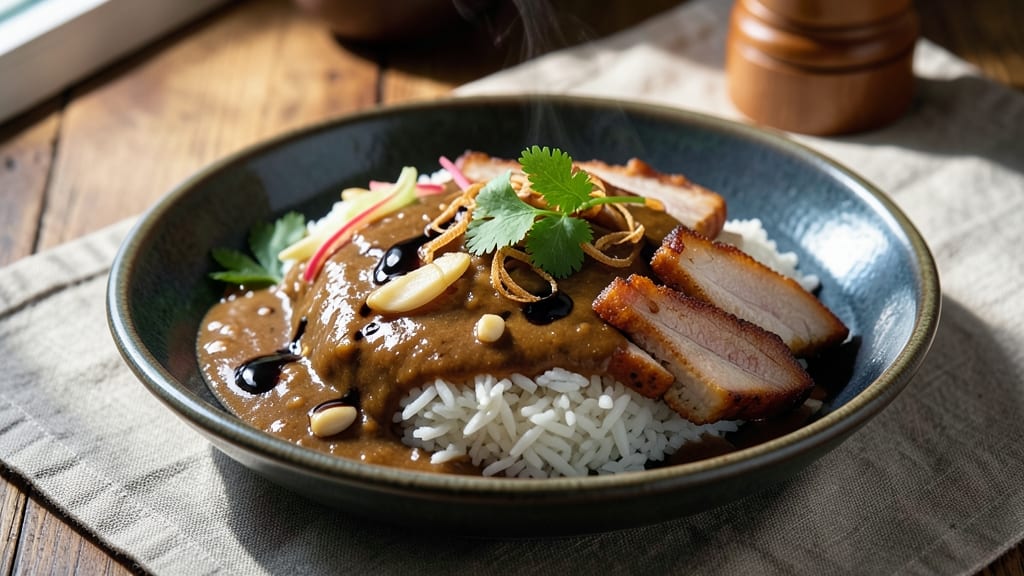
This brown bean sauce recipe transforms simple pantry staples into a smoky-sweet umami powerhouse that elevates every stir-fry. The secret lies in fermented bean paste—whether miso, douchi, or even soy sauce—that builds deep, savory complexity as it simmers.
I developed this sauce after craving that restaurant-quality depth without the complexity of multiple sauces, and it became my go-to for quick weeknight meals.
The magic happens through slow reduction, where garlic, ginger, and brown sugar caramelize into a glossy, slightly sticky sauce that clings perfectly to noodles or proteins.
Unlike store-bought versions, this recipe lets you control the balance of sweetness and heat, adjusting with a pinch of chili or extra soy sauce to taste. The result is a sauce that’s rich enough for dipping but versatile enough to drizzle over steamed veggies or toss with rice.
What sets this brown bean sauce apart is its ability to transform ordinary ingredients into extraordinary flavors—think tender chicken, crisp vegetables, or chewy noodles all coated in that perfect balance of smoky, sweet, and savory.
The sauce thickens as it cools, making it ideal for meal prep, and stores beautifully in the fridge for up to a week or freezer for months. Once you try this, you’ll never reach for bottled sauce again.
Use it as a stir-fry base, dipping sauce for dumplings, or even a glaze for grilled meats. The possibilities are endless, and the process is simpler than it sounds. Let’s make this sauce—your taste buds will thank you.
Ingredients for brown bean sauce
Pantry staples with a smoky kick—this sauce transforms simple ingredients into umami magic.
| Ingredient | Amount | Notes |
|---|---|---|
| Fermented Bean Paste 🥫 | ½ cup | Miso, douchi, or soy sauce |
| Brown Sugar 🍯 | ½ cup | Packed, light or dark |
| Garlic Cloves 🧄 | 6 cloves | Minced, fresh preferred |
| Fresh Ginger 🌿 | 2 tbsp | Finely grated, peeled |
| Soy Sauce 🍶 | ¼ cup | Light or dark variety |
| Rice Vinegar 🍶 | 2 tbsp | White or seasoned |
| Sesame Oil 🫒 | 1 tbsp | Toasted, for aroma |
| Red Chili Flakes 🌶️ | 1 tsp | Adjust for heat preference |
| Water 💧 | ½ cup | For thinning consistency |
| Toasted Sesame Seeds 🌰 | 1 tbsp | For garnish, optional |
The fermented bean paste is non-negotiable here. Miso gives the most complexity, but douchi (Chinese fermented bean paste) adds a funky depth, and even soy sauce works in a pinch. Grab a small jar of miso from the Asian aisle—it keeps for months in the fridge once opened. For ginger, fresh is best (freeze any leftovers), but powdered works if you're in a rush. The garlic? Freshly minced makes all the difference—no jarred minced garbage here.
No fermented bean paste? Double the soy sauce and add a splash of rice vinegar for tang. Swap brown sugar for maple syrup or agave if you're avoiding refined sugar. Chili flakes too spicy? Cut it in half or use Sichuan peppercorn powder for a numbing, citrusy kick. The sesame oil is for aroma—add it at the end, not during cooking. And if your sauce turns out too thick, water or chicken stock thins it beautifully.
This sauce thickens as it cools, so taste as it simmers—you want it glossy but still pourable. Store in a glass jar in the fridge for up to 1 week or freeze for 3 months. I double the batch every time—one for stir-fries, one for dipping. The sesame seeds? Toast them fresh in a dry pan for 30 seconds before sprinkling on top. That aroma is worth the extra minute.
Why You'll Love This Recipe
- Pantry Magic: I swear by this sauce—no fancy shopping required. That jar of fermented bean paste in your cupboard? Boom. Brown sugar, garlic, and ginger are staples most people already have. I’ve made this three times with whatever was on hand, and it never lets me down.
- Umami Bomb: The fermented bean paste alone gives this sauce its soul—deep, funky, and addictive. Add the caramelized brown sugar and you’ve got a perfect balance of sweet and savory that makes me reach for seconds. Honestly, the first time I tasted it, I wondered why I hadn’t made it sooner.
- Dinner Party Ready: Slather it on grilled chicken, toss it with noodles, or drizzle it over steamed veggies—this sauce works at home or out. My friends think I spent hours prepping when really, it’s just a quick simmer. (Yes, even on a Tuesday night.)
- Budget Superstar: A single batch stretches across multiple meals without breaking the bank. The ingredients cost pennies, and I’ve had it last me a full week. Between us, this is how I feed my family well without stressing over grocery bills.
Step-by-step instructions for brown bean sauce
This smoky-sweet sauce comes together in minutes with simple techniques.
Bloom the Fermented Bean Paste
Heat a small saucepan over medium-low heat and add the 0.5 cup fermented bean paste. Let it cook undisturbed for 3-4 minutes until it begins to bubble and releases its deep, nutty aroma. This step develops the sauce's complex umami foundation—don't rush it or you'll burn the paste.
I like to use a small saucepan here so the paste doesn't spread too thin. You'll see it darken slightly as it blooms, which is exactly what we want. If you're using miso paste, it should become glossy and slightly thickened. Stir occasionally to prevent sticking, but avoid over-mixing at this stage.
Add Aromatics and Brown Sugar
Reduce heat to low and add the 0.5 cup brown sugar, 6 cloves minced garlic cloves, and 2 tbsp fresh ginger. Stir constantly for 2-3 minutes until the sugar dissolves completely and the mixture becomes fragrant. The sugar will help balance the fermented flavors while adding natural sweetness.
Here's where it gets interesting—the sugar will caramelize slightly, deepening the sauce's color and adding another layer of complexity. You'll notice the mixture darkens and smells even more intense. If it starts to stick, add 1 tablespoon of the 0.5 cup water to help it cook evenly. The goal is to create a smooth, cohesive base before adding the liquid ingredients.
Build the Sauce with Soy and Vinegar
Pour in the 0.25 cup soy sauce and 2 tbsp rice vinegar, stirring continuously. Increase heat to medium-low and let the sauce simmer for 5-6 minutes until it thickens slightly. You're looking for a consistency where it coats the back of a spoon but still flows easily—this is the perfect balance for stir-fries.
This is the moment that matters: the acidity from the rice vinegar brightens the deep flavors while the soy sauce adds saltiness. The sauce should reduce by about 20% during this time. If it thickens too much, add the remaining 0.4 cup water (about 3 tablespoons) to reach your desired consistency. Taste as you go—you can always adjust seasoning at the end.
Finish with Heat and Aroma
Remove the saucepan from heat and stir in the 1 tbsp sesame oil and 1 tsp red chili flakes. Let it sit for 1 minute to allow the flavors to meld. The sesame oil adds nutty depth while the chili flakes introduce subtle heat. This step should be done off the heat to preserve the delicate aroma of the sesame oil.
For an extra touch, sprinkle with the 1 tbsp toasted sesame seeds right before serving. These add both visual appeal and a satisfying crunch. The sauce will continue to thicken slightly as it cools, so don't worry if it looks a bit runny when you first finish. It's ready to use immediately or can be stored in the refrigerator for up to 5 days—just reheat gently before using.
Pro Tips For Making Brown Bean Sauce
- Bloom the Garlic First: Toss minced garlic in a dry pan for 30 seconds until fragrant—this stops it from burning when the sauce thickens. I learned this the hard way after one batch tasted bitter from overcooked garlic cloves.
- Dissolve the Sugar Slowly: Add brown sugar gradually while stirring constantly to prevent grainy lumps. A splash of water or soy sauce helps it integrate smoothly—skip this, and you’ll be scraping stuck bits off the bottom.
- Toast the Fermented Paste: Cook the bean paste on medium-low heat for 2-3 minutes before adding liquids—this deepens its nutty flavor without burning. High heat here will make the sauce taste harsh and bitter.
- Balance the Soy Sauce: Use light soy for brightness, dark soy for color, and save a teaspoon of each for finishing. Overdoing dark soy makes the sauce cloying; save some for that glossy, restaurant-quality sheen at the end.
Perfect pairings for these flavors
Stir-Fry Magic
This brown bean sauce transforms any stir-fry into a flavor powerhouse. Toss it with shredded chicken, shrimp, or tofu and pair with bok choy, bell peppers, and shitake mushrooms for a restaurant-quality dish.
I love using it as a base for lo mein—just add cooked noodles and a splash of water to loosen the sauce. For extra texture, stir in crispy fried shallots or toasted cashews at the end. 🔥
Dipping Sauce Perfection
Thicken the sauce slightly by simmering uncovered for an extra 2-3 minutes to create the ideal dipping consistency. Serve it warm with spring rolls, egg rolls, or dumplings for an irresistible bite.
For a fusion twist, mix in 1 tbsp hoisin sauce and 1 tsp sriracha to balance the sweetness with a tangy kick. Keep a small bowl on the table for easy dipping during game nights or Asian-inspired potlucks.
Glazed Protein Star
Brush this sauce over grilled pork chops, duck breast, or salmon fillets during the last 5 minutes of cooking. The smoky-sweet profile caramelizes beautifully, creating a glossy glaze that pairs perfectly with steamed jasmine rice or roasted sweet potatoes.
For a quick weeknight meal, toss chicken thighs in the sauce and bake at 400°F for 20 minutes—the result is crispy edges with tender, flavorful meat.
Rice Bowl Elevator
Turn a simple bowl of rice into a gourmet meal by drizzling this sauce over sushi rice, brown rice, or cauliflower rice. Top with soft-boiled eggs, quick-pickled cucumbers, and scallions for a refreshing, umami-packed bowl.
I often double the batch to have on hand for lazy evenings—just reheat gently and assemble with your favorite proteins and veggies. The sauce’s versatility makes it a pantry staple worth keeping.
Soup & Stew Booster
Add a spoonful of this sauce to pho broth, ramen, or miso soup just before serving to deepen the flavor without overpowering the dish. It also works wonders in beef stews or lentil curries—simmer it in for 10 minutes to let the flavors meld.
For a quick fix, stir it into instant noodles with a splash of hot water and a fried egg on top for a next-level upgrade.
Beverage Pairings
Balance the sauce’s richness with a jasmine green tea or oolong tea—the floral notes complement the umami perfectly. For beer lovers, a light lager like Asahi or a sour ale cuts through the sweetness.
If you prefer wine, a dry Riesling or Pinot Noir enhances the dish’s complexity. Avoid heavy, oaky wines—they’ll clash with the sauce’s vibrant flavors. 🍷
Nutrition facts
Frequently asked questions
What's the best substitute for fermented bean paste?
If you can't find miso or douchi, double the soy sauce and add 1 tbsp molasses or maple syrup for depth. For a funkier profile, mix 0.25 cup soy sauce with 1 tbsp fish sauce—it mimics the umami punch. Just remember, fermented paste creates that signature complexity you can't replicate with just soy sauce alone.
How do I adjust the sauce's sweetness or heat?
For less sweetness, reduce brown sugar by 1-2 tbsp or add 1 extra tbsp rice vinegar to balance. Too sweet? Stir in 1 tsp soy sauce or a splash of water. For heat, add ½ tsp extra chili flakes or a pinch of Sichuan peppercorn powder. Always taste as you go—flavors meld better when adjusted gradually.
Can I make this sauce without sesame oil?
Skip the sesame oil and add 1 tsp toasted sesame seeds at the end for aroma. Alternatively, use ½ tsp neutral oil (like avocado) during cooking to prevent sticking. The sauce will still taste great—sesame oil just adds that nutty finish. For a different twist, try 1 tsp toasted peanut oil instead.
Why did my sauce turn out too thin?
Most likely, you didn't simmer it long enough or used too much water. For a thicker consistency, simmer uncovered for an extra 3-5 minutes to reduce. If it's still too runny, mix 1 tsp cornstarch with 1 tbsp water, stir into the sauce, and cook for 1 more minute. The sauce will naturally thicken as it cools, so don't worry if it looks thin when hot.
How can I use this sauce in non-Asian dishes?
This sauce is a secret weapon for Western dishes too! Toss it with grilled chicken and roasted sweet potatoes for a sweet-savory glaze. Drizzle over tacos with avocado and lime, or use it as a marinade for steak (add 1 tbsp honey for extra caramelization). The umami depth works surprisingly well in BBQ sauces too—just mix with ½ cup ketchup and 1 tbsp smoked paprika.