
Side Dishes
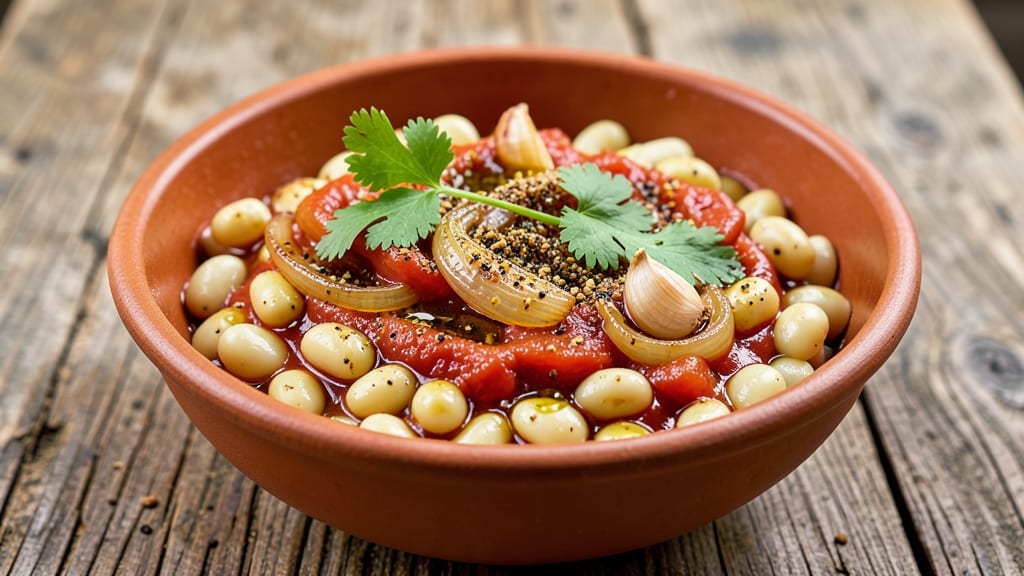
This African mung bean recipe transforms simple ingredients into a flavorful, one-pot dish that captures the warmth of West African cuisine. The aromatic blend of cumin, tomatoes, and fresh herbs creates a hearty side that pairs perfectly with rice or ugali.
I developed this recipe after discovering how versatile mung beans are—packed with protein, easy to digest, and full of earthy flavor when cooked right.
The secret lies in slow-cooking the beans with onions, garlic, and a touch of berbere spice until they're tender but still hold their shape. A splash of tomato paste deepens the color and richness, while fresh cilantro brightens the dish at the end.
This method ensures every bite delivers that perfect balance of savory, slightly sweet, and spicy notes that define African comfort food.
What makes this recipe stand out is its simplicity—just one pot, minimal prep, and ingredients you likely already have. The result is a dish that's as nourishing as it is delicious, perfect for weeknight dinners or meal prep.
Whether you're serving it alongside grilled meats or as a standalone vegan main, the flavors will leave everyone asking for seconds.
For extra depth, try adding a pinch of smoked paprika or a bay leaf while cooking. The beans absorb the spices beautifully, creating a dish that feels both familiar and exciting. Let's get cooking—this recipe is a game-changer for African-inspired meals!
Ingredients for african mung bean
Simple, earthy ingredients transform into a flavorful African-inspired one-pot dish perfect for weeknight meals.
| Ingredient | Amount | Notes |
|---|---|---|
| Mung Beans 🌱 | 1 ½ cups | Dried, rinsed thoroughly |
| Onions 🧅 | 1 whole | Yellow or red, diced |
| Garlic Cloves 🧄 | 4 cloves | Minced for aromatic base |
| Tomato Paste 🍅 | ¼ cup | High-quality, no sugar added |
| Ground Cumin 🌿 | 1 tbsp | Freshly toasted for depth |
| Berbere Spice 🌶️ | 1 tbsp | Traditional African blend |
| Smoked Paprika 🌶️ | ½ tsp | For subtle smokiness |
| Bay Leaves 🌿 | 2 whole | Fresh or dried |
| Fresh Cilantro 🌿 | ¼ cup | Chopped, for freshness |
| Vegetable Oil 🫒 | 2 tbsp | Neutral flavor preferred |
| Water 💧 | 4 cups | For cooking beans |
| Salt 🧂 | 1 tsp | Kosher or sea salt |
| Black Pepper 🌶️ | ½ tsp | Freshly ground |
| Lemon Juice 🍋 | 1 tbsp | Freshly squeezed |
The mung beans are the star here, so choose organic dried beans if possible—they hold their shape better and have a cleaner flavor. Whole Foods or local African markets often carry high-quality dried beans, but any reputable grocery store's bulk section will work. For the berbere spice, African grocery stores are your best bet, but you can find it online or substitute with a mix of paprika, cayenne, fenugreek, and coriander if needed. Toast the cumin seeds lightly in a dry pan before grinding for an extra layer of aroma—it makes all the difference. Fresh cilantro is ideal, but dried works in a pinch if you're short on time.
No berbere spice? Mix 1 tsp paprika, 1/2 tsp cayenne, 1/2 tsp ground coriander, and 1/4 tsp fenugreek for a close substitute. Running low on fresh cilantro? Fresh parsley or basil can stand in, though the flavor will be slightly different. The tomato paste can be swapped for 1 cup fresh diced tomatoes if you prefer a chunkier texture, but the paste gives that rich, concentrated flavor that's so important in African cooking. For extra depth, a pinch of ground ginger or turmeric can be added to the spice blend—both are common in West African cuisine.
This dish tastes even better the next day as the flavors meld together. Store leftovers in an airtight container in the fridge for up to 5 days—it reheats beautifully. For meal prep, double the recipe and freeze portions in glass containers for up to 3 months. The beans soften as they sit, so add a splash of water when reheating if they seem too firm. Serve alongside steamed rice or ugali for a complete meal.
Why You'll Love This Recipe
- Five-Ingredient Magic: I swear by this recipe—just mung beans, onions, garlic, tomato paste, and cumin. That’s it. No fancy prep, no hidden pantry staples you don’t own. Honestly, it’s the kind of dish where you can measure everything in one hand if you’re in a rush.
- Earthy Depth Explosion: The cumin and garlic caramelize into something ridiculously good—warm, toasty, with just enough tang from the tomato paste. Between us, this isn’t just "flavor"; it’s the kind of taste that lingers and makes you reach for seconds without thinking.
- Lunchbox Hero: I make a big batch on Sundays, and it’s my go-to for work lunches or school lunches. The beans hold up perfectly, and the spices keep it exciting—no sad, soggy leftovers here. My kid even packs it in his thermos, and he’s not a fan of "healthy" food.
- Budget Win: Mung beans are dirt cheap, and this recipe stretches them far—easily feeds four for under $5. I’ll be real: it’s my secret weapon when grocery money’s tight, but somehow it still feels like a treat. The cumin alone makes it taste like you spent hours cooking.
Step-by-step instructions for African mung beans
Transform simple ingredients into a rich, aromatic one-pot dish with bold African flavors.
Toast the Spices for Maximum Flavor
Heat the 2 tablespoons vegetable oil in a large pot over medium heat until shimmering but not smoking. Add the 1 whole onions and cook for 5-6 minutes until softened and translucent, stirring occasionally to prevent browning.
Next, add the 4 cloves garlic cloves and cook for 30 seconds until fragrant—you'll smell that sweet garlic aroma fill your kitchen. Immediately add the 1 tablespoon ground cumin, 1 tablespoon berbere spice, and 0.5 teaspoon smoked paprika. Toast these spices for 1 minute until they release their aromatic oils and the mixture becomes deeply fragrant. This step builds the flavor foundation for your dish.
Build the Spiced Tomato Base
Reduce the heat to medium-low and stir in the 0.25 cup tomato paste, spreading it evenly over the bottom of the pot. Cook for 3-4 minutes, stirring constantly, until the paste darkens slightly and develops a rich, caramelized flavor. The mixture should thicken into a deep red paste that coats the back of a spoon.
Add the 4 cups water, 1 teaspoon salt, and 0.5 teaspoon black pepper to the pot. Bring the mixture to a gentle boil, then reduce heat to low and add the 1.5 cups mung beans and 2 whole bay leaves. Stir once to combine, then let the mixture return to a simmer. This is where the magic begins—the beans will begin absorbing the flavorful liquid.
Simmer Until Beans Are Tender
Cover the pot and let the beans simmer gently for 45-50 minutes, stirring occasionally to prevent sticking. You'll know they're ready when they're tender but still hold their shape—press a bean with a fork to test. The liquid should have reduced slightly, creating a thick, aromatic stew with a rich tomato base.
If the beans aren't tender after 50 minutes, continue cooking for another 5-10 minutes. The key is to maintain a gentle simmer—too vigorous a boil can cause the beans to split or become mushy. This slow cooking process develops the deep, complex flavors that define African cuisine.
Finish with Fresh Herbs and Brightness
Once the beans are tender, remove the 2 whole bay leaves and stir in the 0.25 cup fresh cilantro and 1 tablespoon lemon juice. The cilantro adds a fresh contrast to the rich, spiced beans, while the lemon juice brightens the dish and cuts through the heat. Taste and adjust seasoning if needed—you may want to add a pinch more salt or a splash of water to reach your preferred consistency.
Let the dish sit off the heat for 5 minutes to allow the flavors to meld completely. The final result should be a thick, hearty stew with tender beans in a deeply flavorful sauce. Serve immediately with crusty bread or over steamed rice to soak up every last bit of this aromatic one-pot creation.
Pro Tips For Making African Mung Bean
- SOAK BEANS 12 HOURS MINIMUM: I learned this the hard way—skipping the long soak leaves your mung beans tough and gummy. Even if you’re in a hurry, 12 hours in water (not just a quick rinse) breaks down the starches so they cook into that perfect creamy texture. Drain and rinse right before cooking, but don’t rush this step.
- FRY ONIONS UNTIL GOLDEN: Low heat for onions is a myth here—you want them deep golden, almost caramelized, before adding garlic. That’s when the flavor really sings in this dish. If they’re just soft, you’re missing out on the depth that makes the whole recipe taste like it simmered all day.
- TOAST CUMIN FIRST: Skip the "add it later" approach—lightly toast your ground cumin in a dry pan for 30 seconds until it smells nutty and aromatic. This stops it from tasting raw and bitter, which is especially important if you’re using store-bought cumin that’s lost its punch. Do this right when you start heating the oil.
- PRESS TOMATO PASTE THROUGH A SIEVE: Store-bought tomato paste is full of lumps that turn into weird, unappetizing bits in your stew. Save yourself the trouble of mashing it later—just press it through a fine-mesh sieve before adding it to the pot. It’s a little extra effort, but the smooth, velvety texture is worth it.
Best sauces and condiments for this recipe
Spicy Tomato-Berbere Sauce
This dish already features a built-in tomato-berbere sauce that forms the flavorful base. The 1 tablespoon berbere spice and 0.25 cup tomato paste create a rich, slightly spicy sauce that coats the mung beans perfectly.
For extra depth, simmer the sauce longer—up to 10 minutes—to develop a deeper caramelized flavor. If you prefer a chunkier sauce, replace the tomato paste with 1 cup finely diced Roma tomatoes and cook them down until thickened. 🌶️
Creamy Coconut-Cilantro Garnish
Add a creamy twist by stirring in 2 tablespoons coconut milk and 1 tablespoon chopped cilantro at the end. This balances the earthy beans with a subtle richness, while the cilantro adds freshness.
For extra brightness, drizzle with 1 teaspoon lime juice—it cuts through the heat and adds a tropical note. Serve immediately for the best texture and flavor contrast.
Smoky Garlic-Yogurt Dip
Pair your mung beans with a cooling dip made from ½ cup plain yogurt, 1 minced garlic clove, ½ teaspoon smoked paprika, and a pinch of salt. Mix well and serve on the side for dipping or drizzling over the dish.
This adds a creamy, tangy contrast that complements the spicy, savory beans beautifully. Store-bought yogurt works, but Greek yogurt adds extra thickness.
Spicy Peanut Sauce
For a nutty, spicy kick, blend ¼ cup peanut butter, 1 tablespoon soy sauce, 1 teaspoon honey, ½ teaspoon chili flakes, and 2 tablespoons water until smooth. Drizzle over the mung beans just before serving.
This sauce adds a West African-inspired depth that pairs perfectly with the earthy beans. Keep it on the side for those who prefer less heat.
Fresh Herb Oil Finish
Brighten the dish with a herb-infused oil by gently heating 2 tablespoons vegetable oil with 1 tablespoon chopped cilantro, 1 teaspoon minced garlic, and a pinch of salt. Drizzle over the finished beans just before serving.
This adds a fragrant, aromatic finish that enhances the dish’s freshness without overpowering the flavors. Store any leftover oil in the fridge for up to 3 days.
Nutrition facts
Frequently asked questions
Can I use canned mung beans instead of dried?
While you can use canned mung beans, the texture and flavor won't be the same. Canned beans are pre-cooked and softer, which changes the dish's hearty consistency. If you must use them, reduce the cooking time to 15-20 minutes and add 1 extra cup of water to prevent drying. For best results, stick with dried beans—they absorb flavors better and hold their shape.
What's the best way to substitute berbere spice?
If you can't find berbere, mix 1 teaspoon paprika, ½ teaspoon cayenne, ½ teaspoon ground coriander, and ¼ teaspoon fenugreek for a close substitute. For extra depth, add a pinch of ground ginger or turmeric. This blend mimics berbere's warmth and complexity while keeping the dish authentically African-inspired.
How do I make this recipe vegan-friendly?
This recipe is already fully vegan! The mung beans provide plant-based protein, while the spices and vegetables create rich, satisfying flavors. Just ensure your berbere spice blend doesn't contain animal products (some brands include fish powder). For extra creaminess, stir in 2 tablespoons coconut milk at the end.
Can I cook this in an Instant Pot or pressure cooker?
Use the same ingredients but reduce cooking time to 20-25 minutes on high pressure. After cooking, let the pressure release naturally for 10 minutes before opening. The beans will be tender and the sauce will thicken beautifully. Just be sure to add the fresh cilantro and lemon juice after cooking to preserve their brightness.
What's the best way to store leftovers?
Store in an airtight container in the fridge for up to 5 days or freeze for 3 months. When reheating, add a splash of water to prevent drying. The flavors actually improve overnight as the spices meld! For meal prep, double the recipe and freeze portions in glass containers for easy grab-and-go meals.