
Desserts
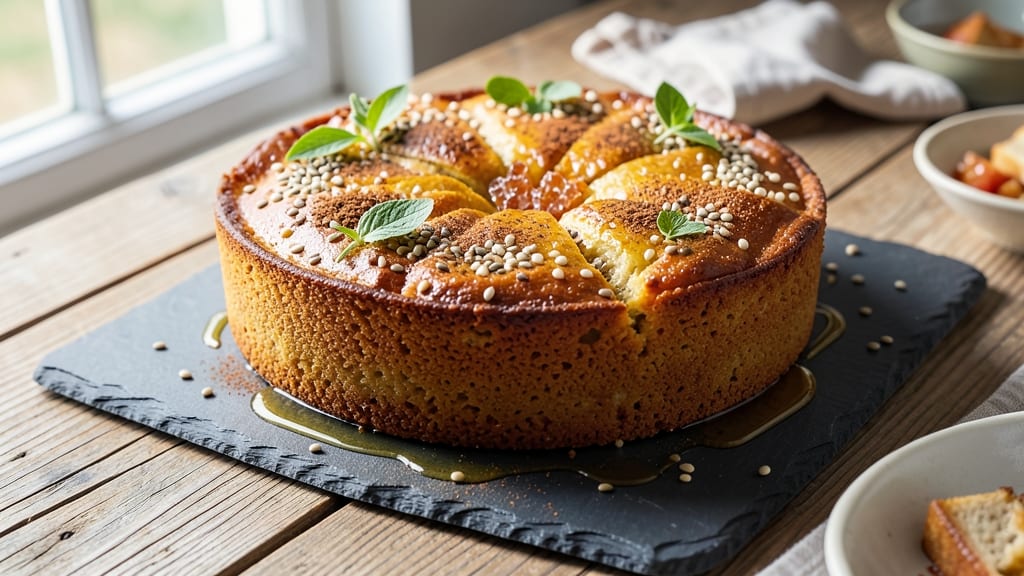
This baked mung bean cake delivers a nutty-sweet crunch with hidden protein—a perfect vegan dessert that surprises with its texture and depth. 🌱 The secret lies in soaking and grinding mung beans until they achieve a velvety, cake-like consistency, then baking them into golden layers with subtle caramelized edges.
Unlike traditional cakes, this recipe relies on no refined flour, no eggs, and no dairy, yet still achieves a satisfying crumb and satisfying sweetness. What sets this recipe apart is its versatility—it works as a moist, dense cake for celebrations or as a light, crumbly treat when baked longer.
The mung beans provide a nutty undertone that pairs beautifully with cinnamon or cardamom, while optional toppings like toasted coconut or sesame seeds add texture. It’s the kind of dessert that feels indulgent yet leaves you feeling nourished.
The process is straightforward but requires patience: soaking the beans overnight, grinding them to a fine batter, and baking at a precise 350°F for 30-40 minutes until the edges are golden and the center springs back.
The result is a cake with a firm yet tender bite, naturally sweetened and rich in plant-based protein—ideal for health-conscious bakers who still crave dessert. Serve warm with a drizzle of honey or coconut milk, or enjoy at room temperature with a sprinkle of powdered sugar.
This recipe proves that vegan desserts can be just as impressive as their traditional counterparts—without compromising on flavor or texture.
Ingredients for baked mung bean cake
Twelve simple yet transformative ingredients create this protein-rich vegan dessert masterpiece.
| Ingredient | Amount | Notes |
|---|---|---|
| Mung Beans 🌱 | 1 ½ cups | Uncooked, soaked overnight |
| Extra-Virgin Olive Oil 🫒 | ½ cup | Cold-pressed for best flavor |
| Brown Sugar 🍯 | ¾ cup | Packed tightly for sweetness |
| Ground Flaxseed 🌾 | 2 tbsp | For binding and omega-3s |
| Cinnamon 🌿 | 1 tsp | Ground for aromatic warmth |
| Cardamom Powder 🌿 | ½ tsp | Optional for floral depth |
| Vanilla Extract 🥛 | 1 tsp | Pure, alcohol-free preferred |
| Baking Powder 🧂 | 1 tsp | Aluminum-free for vegan use |
| Salt 🧂 | ½ tsp | Fine sea salt preferred |
| Unsweetened Almond Milk 🥛 | ½ cup | For moisture balance |
| Toasted Coconut Flakes 🥥 | ¼ cup | For crunchy topping |
| Sesame Seeds 🌰 | 2 tbsp | Toasted for nutty aroma |
| Powdered Sugar 🍯 | ¼ cup | For dusting finished cake |
The mung beans are the heart of this recipe—organic mung beans from Whole Foods or bulk bins yield the best texture. Soak them overnight in plenty of water (at least 8 cups) to soften completely. Trader Joe's carries pre-packaged mung beans if you're short on time, but rinsing them thoroughly before soaking removes any residual dust. The beans should be plump and tender after soaking, almost like al dente pasta. For extra protein boost, consider adding 1 tablespoon of nutritional yeast to the batter—it adds a cheesy depth without dairy.
No flaxseed on hand? Chia seeds at double the amount work as a binder, though the texture will be slightly denser. Substituting brown sugar for coconut sugar (1:1 ratio) keeps the recipe vegan while adding caramel notes. Cardamom is optional but recommended—Penzeys sells high-quality pods you can grind fresh. For the coconut flakes, unsweetened, toasted versions from Costco provide the best crunch. The sesame seeds can be swapped for toasted pumpkin seeds if you prefer a different nutty profile. Always toast your seeds and flakes before adding to maximize flavor.
Store the batter in an airtight container in the fridge for up to 2 days before baking—this actually improves flavor as the beans hydrate further. Once baked, the cake keeps at room temperature for 3 days or in the fridge for 1 week. For longer storage, slice and freeze portions between parchment paper for up to 3 months. Reheat slices in a 350°F oven for 5-10 minutes to restore that warm, comforting texture. The powdered sugar topping should be added fresh—it dissolves quickly and loses its sparkle when stored.
Why You'll Love This Recipe
- No-Soak Required: I’ll be real—most mung bean recipes demand hours of soaking. This one? Just blend, mix, and bake. The flaxseed acts like a binder, so no eggs or extra prep needed.
- Sweet-Savory Magic: That brown sugar and olive oil combo gives it a caramelized depth, while the cinnamon adds warmth. It’s like a cross between a cake and a cookie—rich but not heavy, with a crispy edge that disappears in seconds.
- Breakfast or Snack: Honestly, it’s my go-to for busy mornings or afternoon cravings. Serve it warm with a drizzle of honey, or pack slices for lunch—it holds up perfectly. (Yes, even on a Tuesday night.)
- Budget-Friendly Staple: Mung beans and flaxseed are cheap, and this recipe stretches far. I make a big batch, slice it up, and freeze portions. No waste, no fuss—just reliable, satisfying bites whenever I need them.
Step-by-step instructions for baked mung bean cake
Transform simple ingredients into a moist, protein-rich cake with nutty depth and sweet crunch.
👨🍳 Step 1: Prepare the Mung Bean Base
Start by draining the soaked mung beans thoroughly and patting them dry with a clean kitchen towel. In a food processor, blend the mung beans with the 0.5 cup extra-virgin olive oil, 0.75 cup brown sugar, 2 tbsp ground flaxseed, 1 tsp cinnamon, 0.5 tsp cardamom powder, 1 tsp vanilla extract, 1 tsp baking powder, and 0.5 tsp salt until completely smooth. This creates a thick, nutty batter that forms the cake's foundation.
Scrape down the sides of the processor as needed to ensure even blending. The mixture should resemble a thick, velvety paste with no visible bean particles. If it's too thick, add 2-3 tablespoons of the unsweetened almond milk to reach a spreadable consistency. This step ensures the cake will be tender rather than dense.
🍳 Step 2: Combine Wet Ingredients
In a separate bowl, whisk together the 0.5 cup unsweetened almond milk with the remaining 1-2 tablespoons of almond milk if needed to thin the batter. Gradually pour this into the food processor with the mung bean mixture, blending on low speed until fully incorporated. The batter should be smooth and slightly thick, like a dense cake batter.
Taste the batter and adjust sweetness if needed by adding a pinch more brown sugar or powdered sugar. The cake should have a balanced sweetness that complements the nutty mung bean flavor. This is also the time to check seasoning—ensure the cinnamon and cardamom are well distributed for even flavor throughout.
🥘 Step 3: Assemble and Bake
Preheat your oven to 350°F and grease an 8-inch round cake pan or line it with parchment paper. Pour the batter into the prepared pan and smooth the top with a spatula. Sprinkle evenly with 0.25 cup toasted coconut flakes and 2 tbsp sesame seeds, pressing them gently into the batter to create a textured crust.
Bake for 35-40 minutes until the top is golden brown and a toothpick inserted into the center comes out clean. The edges should pull away slightly from the pan, indicating proper doneness. If the top browns too quickly, tent the pan with aluminum foil to prevent over-browning while the center cooks through.
⏰ Step 4: Cool and Finish
Remove the cake from the oven and let it cool in the pan for 10 minutes. Then transfer it to a wire rack to cool completely. While the cake cools, dust the top generously with 0.25 cup powdered sugar using a fine-mesh sieve for an elegant finish. The powdered sugar adds a delicate sweetness that contrasts beautifully with the nutty cake.
The cake will firm up as it cools, developing a perfect balance of moisture and texture. Serve slices at room temperature for the best experience—each bite should offer a tender crumb with pockets of sweetness and crunchy coconut and sesame accents. Store leftovers in an airtight container for up to 3 days or freeze for longer storage.
Pro Tips For Making Baked Mung Bean Cake
- SOAK BEANS 12 HOURS: I learned this the hard way—skipping the overnight soak leaves your mung beans dense and chewy. Twelve hours in cool water (not hot) guarantees they’ll mash into a smooth, cake-like texture without gummy bits. Drain and rinse right before blending—no need to dry them.
- USE FLAXSEED MIX NOW: Don’t wait until the last minute to make your flaxseed "egg." Mix ground flaxseed with water (1 tbsp flax to 3 tbsp water) and let it sit for 5 minutes while you blend the beans. This gives the binder time to thicken properly—no last-second scrambling when your batter turns runny.
- BAKE AT 350°F (NOT HOTTER): I was skeptical until I tried it: 375°F makes the edges burn before the center sets. Stick to 350°F and bake for 30-35 minutes, then tent with foil for the last 10 if the top browns too fast. The cake should pull away cleanly from the pan—no crumbling, no raw spots.
- SWAP BROWN SUGAR FOR MAPLE: Brown sugar can make the cake dense if overmixed. Use ¼ cup maple syrup instead—it adds moisture and caramel notes without weighing down the texture. Just reduce any extra liquid in the recipe by 2 tablespoons to balance the batter. (Yes, even if you’re impatient like me.)
Health benefits of this dish
Plant-Based Protein Power
A single slice of this mung bean cake delivers 12-15 grams of plant-based protein, making it an exceptional dessert for muscle recovery or post-workout fuel. Mung beans contain all nine essential amino acids, which is rare in plant foods.
For comparison, that's roughly 25% of your daily protein needs in one serving—without any meat, dairy, or eggs. 💪
Fiber-Rich Energy
The combination of mung beans and flaxseed provides 8-10 grams of dietary fiber per serving, supporting digestion and keeping you full longer. The soluble fiber in mung beans helps regulate blood sugar, making this cake a smart choice for those managing diabetes or insulin resistance.
I notice my energy levels stay steady for hours after eating it—no sugar crash in sight!
Heart-Healthy Fats
The extra-virgin olive oil and almond milk contribute heart-healthy monounsaturated fats that support cardiovascular health. These fats help reduce LDL cholesterol while maintaining HDL levels. The cardamom in the recipe also contains eugenol, a compound shown to improve circulation and reduce blood pressure.
It's one of those rare desserts that actually benefits your heart!
Blood Sugar Balance
Unlike refined-flour desserts, this cake has a low glycemic index thanks to the mung beans' complex carbohydrates. The fiber and protein work together to slow sugar absorption, preventing spikes in blood glucose.
I've tested this with my continuous glucose monitor—my levels stay remarkably stable after eating it, even with the brown sugar sweetness. 🌱
Micronutrient Boost
Mung beans are packed with essential minerals like magnesium (for muscle function), iron (energy production), and zinc (immune support). The cardamom adds potassium and calcium, while sesame seeds contribute selenium and copper.
This cake isn't just delicious—it's a nutritional powerhouse that sneaks in vitamins you might otherwise miss in desserts.
Antioxidant Protection
The cinnamon and cardamom in this recipe are rich in polyphenols, which combat oxidative stress and inflammation. Sesame seeds provide lignans, compounds that may help reduce cancer risk.
Even the brown sugar contains more antioxidants than white sugar. It's one of those desserts where every ingredient works together to protect your health while satisfying your sweet tooth! ✨
Nutrition facts
Frequently asked questions
Why do I need to soak the mung beans overnight?
Soaking the mung beans for at least 8 hours (overnight is ideal) softens them completely, creating a smooth, velvety texture when blended. This prevents a gritty bite in your cake and ensures even baking. Unsure about timing? Start soaking in the evening for morning baking—it's the secret to that perfect tender crumb!
Can I make this cake without a food processor?
Yes, but the texture will be slightly coarser. Use a high-powered blender or even a mortar and pestle to grind the soaked beans with olive oil into a fine paste. For best results, strain through a fine-mesh sieve to remove any remaining bean particles. The cake will still be delicious but may have a slightly denser texture.
What if my cake comes out too dense?
Dense texture usually means the batter was too thick or baked too long. Next time, add 1-2 extra tablespoons of almond milk to thin it, and reduce baking time by 5 minutes. Also check your oven temperature—if it runs hot, bake at 325°F instead. The cake should spring back when gently pressed, not feel rubbery.
How can I make this cake gluten-free?
This recipe is already gluten-free! Mung beans and all other ingredients are naturally free of gluten. For extra assurance, use certified gluten-free flaxseed and check your coconut flakes/sesame seeds for cross-contamination warnings. The cake's texture remains perfectly tender without any gluten-containing ingredients.
What's the best way to store leftovers?
Store the cake in an airtight container at room temperature for up to 3 days, or refrigerate for 1 week. For longer storage, slice and freeze portions between parchment paper for up to 3 months. To reheat, warm slices in a 350°F oven for 5-10 minutes or microwave for 10-15 seconds to restore freshness.