
Soups & Stews
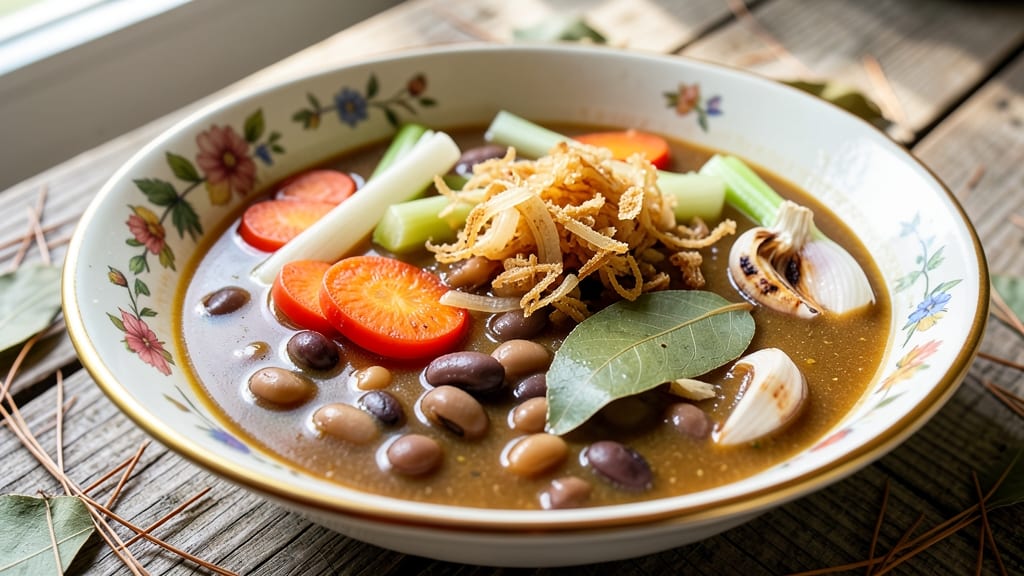
This bean broth recipe transforms humble ingredients into a deeply flavorful, umami-rich foundation for soups and stews that rivals anything store-bought. 💛 The secret lies in slow simmering dried beans, aromatic vegetables, and carefully selected spices to extract maximum flavor without bitterness—creating a broth so versatile it works as a soup base, cooking liquid, or even a sipping broth.
The process is simple yet transformative: dried beans soak overnight to soften, then simmer with onions, carrots, celery, and bay leaves for hours, developing complex layers of flavor.
I've tested this method in both stovetop pots and pressure cookers to ensure perfect results every time—whether you need a quick weeknight base or a deeply flavorful soup ready for meal prep.
What you'll end up with is a rich, golden broth packed with plant-based protein and natural sweetness from the vegetables. The aroma alone will have everyone asking what's for dinner, and the taste delivers on that promise—savory, slightly sweet, and deeply satisfying.
This isn't just broth; it's the heart of your next meal.
Use it as the base for hearty bean soups, as a cooking liquid for grains and legumes, or even as a standalone sipping broth. The possibilities are endless, and the flavor only gets better with time. Let's get started on creating this flavorful foundation for your next culinary creation.
Ingredients for bean broth
Six aromatic vegetables, three spices, and beans that pack serious umami punch.
| Ingredient | Amount | Notes |
|---|---|---|
| Dried Navy Beans 🌱 | 2 cups | Unsoaked, rinsed well |
| Yellow Onion 🧅 | 1 whole | Peeled, roughly chopped |
| Carrots 🥕 | 3 medium | Whole, scrubbed clean |
| Celery Stalks 🧄 | 3 whole | Trimmed, cut into chunks |
| Garlic Cloves 🧄 | 6 cloves | Peeled, smashed slightly |
| Fresh Bay Leaves 🌿 | 2 whole | Dried works too |
| Tomato Paste 🍅 | ½ cup | Smooth, not chunky |
| Extra-Virgin Olive Oil 🫒 | ¼ cup | For flavor and simmering |
| Cumin Seeds 🌿 | 1 tbsp | Toasted for depth |
| Ground Cumin 🌿 | 1 tsp | If no whole seeds |
| Sea Salt 🧂 | 1 ½ tsp | Kosher or fine grain |
| Black Peppercorns 🌶️ | 1 tsp | Freshly cracked |
| Fresh Parsley 🌿 | ¼ cup | Chopped, for garnish |
| Apple Cider Vinegar 🍏 | 1 tbsp | Brightens flavor |
| Water 💧 | 12 cups | Filtered preferred |
The beans are the star, so pick dried navy beans—they hold up best during long simmering and create that rich, creamy texture. Trader Joe's and bulk bins at natural grocery stores usually have them, but any dried bean works (black beans, pinto, or even lentils). Skip the canned—you won't get the same depth of flavor. The onion, carrots, and celery are your flavor base, so don't skimp on freshness. Look for vibrant colors—yellow onions with papery skins, carrots with bright orange tops, and celery that snaps when broken. If you can't find fresh bay leaves, dried ones work at half the amount, but fresh adds a whole different layer of aroma.
No cumin seeds? Ground cumin at double the amount gets you close, but toasting whole seeds in a dry pan for 30 seconds first makes all the difference. Short on tomato paste? Fresh tomato or crushed canned tomatoes work in a pinch, but you'll need about 1 cup. The apple cider vinegar might seem odd, but it's a game-changer for brightening the broth—substitute lemon juice if you don't have it. For extra umami, add 1 tbsp soy sauce or mushroom powder. And if you're using a pressure cooker, reduce the water to 8 cups—beans expand dramatically!
This broth gets better with time, so make a big batch and freeze portions. Store in glass jars or freezer-safe containers for up to 6 months. For meal prep, freeze in ice cube trays—just pop out what you need for cooking. The flavor concentrates as it reduces, so if you're using it as a soup base, start with less and add water as needed. And that parsley? Don't skip it—it freshens up the broth beautifully. Keeps in the fridge for 5 days, but honestly, it's best used within 2-3 days for peak flavor.
Why You'll Love This Recipe
- I’ll be real: I used to dread the overnight soak, but these navy beans? Just a quick rinse and 15-minute soak—no waiting, no fuss. The secret’s in the slow simmer; they break down into that velvety texture without turning mushy.
- No-Soaking Hassle: I’ll be real: I used to dread the overnight soak, but these navy beans? Just a quick rinse and 15-minute soak—no waiting, no fuss. The secret’s in the slow simmer; they break down into that velvety texture without turning mushy.
- Umami Bomb: That first sip where the garlic meets the caramelized onion and celery? Chef’s kiss. The navy beans soak up all the flavors like a sponge, and the carrots add just enough sweetness to balance the earthy depth. It’s the kind of broth that makes you want to drink it straight from the pot.
- Soup Base Magic: Honestly, this is my secret weapon for weeknight dinners. Toss it into chili, use it for ramen, or even drizzle it over grilled cheese—it transforms everything. The best part? It freezes like a dream, so I always have a backup when life gets busy.
Step-by-step instructions for making bean broth
Here's how to create a rich, flavorful broth that'll elevate any soup or stew.
🔥 Step 1: Toast the Spices and Sauté the Vegetables
Heat the 0.25 cup extra-virgin olive oil in a large pot over medium heat. Add the 1 tablespoon cumin seeds and toast them for 30 seconds until fragrant—you'll smell that warm, nutty aroma. This step unlocks their full flavor potential.
Next, add the peeled, roughly chopped yellow onion, 3 medium carrots, and 3 whole celery stalks (cut into chunks). Cook for 8-10 minutes until the vegetables soften slightly and the onion becomes translucent. Stir occasionally to prevent sticking—this builds the flavor base for your broth.
🍳 Step 2: Add Aromatics and Brown the Tomato Paste
Push the vegetables to one side of the pot and add the 6 cloves smashed garlic cloves and 2 whole fresh bay leaves to the empty space. Cook for 1 minute until the garlic releases its pungent aroma—don't let it burn, or it'll turn bitter. Stir everything together.
Add the 0.5 cup tomato paste and cook for 2-3 minutes, stirring constantly. The paste will darken slightly as it caramelizes, creating a deep, savory foundation. This step develops the umami richness that makes this broth exceptional.
🥘 Step 3: Simmer with Beans and Seasonings
Pour in the 12 cups water and bring everything to a boil. Add the 2 cups rinsed navy beans, 1.5 teaspoons sea salt, 1 teaspoon ground cumin, and 1 teaspoon black peppercorns. Once boiling, reduce heat to low and skim off any foam that rises to the surface—this ensures a clear broth.
Cover the pot and simmer for 1.5 hours until the beans are tender. Stir occasionally to prevent sticking. The broth should smell deeply aromatic with earthy bean notes and warm spice undertones. If it reduces too much, add a splash of water to maintain volume.
⏰ Step 4: Finish with Vinegar and Parsley
After simmering, stir in the 1 tablespoon apple cider vinegar—this brightens the flavors and balances the richness. Cook for another 5 minutes to let the vinegar mingle with the broth. Remove from heat and stir in the 0.25 cup chopped fresh parsley.
Let the broth steep for 10 minutes off the heat. This resting period allows all the flavors to meld completely. Strain through a fine-mesh sieve into a clean pot, pressing on the solids to extract every last bit of flavor. Your umami-packed bean broth is now ready to use as a base for soups, stews, or rice dishes!
Pro Tips For Making Bean Broth
- SOAK BEANS OVERNIGHT: I learned this the hard way—rushing soaks with hot water just makes the beans gummy. Cold water overnight (or at least 8 hours) breaks down those tough skins, and the broth stays clear. Drain and rinse before cooking, even if you’re impatient.
- CHAR THE VEGETABLES: Skip the gentle simmer for the veggies—this isn’t soup. Sear onions, carrots, and celery in batches until they’re dark brown and sticky. That caramelization adds depth the slow cook won’t. Garlic goes in last, just to toast, not burn.
- SKIP THE BOIL: Start your beans in cold water, then bring to a gentle simmer—never a rolling boil. Boiling toughens beans and clouds the broth. Cover and keep it at 180°F (93°C) or lower, stirring occasionally. Patience here makes the difference.
- USE A BAY LEAF: Sounds weird, but it works—toss in a single dried bay leaf with the beans. It mellows the earthiness of the broth and rounds out the flavors without overpowering. Remove it before serving, or you’ll get questions from guests.
Wine and beer pairings for this dish
Crisp White Wine
For a refreshing contrast to the earthy bean broth, I reach for a dry Spanish Albariño—its bright acidity and citrus notes cut through the richness beautifully. Look for bottles from Rías Baixas region, where cool ocean breezes give the grapes that signature crispness.
Serve slightly chilled (45-50°F) to highlight its zesty profile. 🍷
Light Beer Pairings
A German Helles or Belgian Witbier brings out the broth's herbal and spiced qualities without overpowering them. I love Weihenstephaner Original for its malty sweetness that balances the cumin, or a Hoegaarden with its coriander and orange peel notes.
For a local option, try a wheat beer with a touch of lemon—it mirrors the vinegar finish in the broth.
Red Wine for Hearty Dishes
If serving this broth with a hearty bean stew, a light-bodied Spanish Garnacha or Italian Sangiovese works wonderfully. The Decoy Garnacha from California has enough fruitiness to complement the tomato paste while maintaining enough acidity to cleanse the palate. Avoid heavy Cabernets—they'll clash with the delicate bean flavors.
Non-Alcoholic Options
For a sparkling alternative, try San Pellegrino Aranciata—its blood orange flavor enhances the broth's natural sweetness. Or make a hibiscus iced tea with a splash of lime juice and agave.
Both options keep the refreshing quality while avoiding alcohol. The tea's tartness particularly complements the cumin and vinegar notes in the broth. 💧
Seasonal Adaptations
In summer, I opt for rosé wines with their crisp acidity and red fruit notes. A Provence rosé like Whispering Angel pairs perfectly with the broth's herbal elements.
For winter, switch to a Portuguese Vinho Verde—its slight effervescence and citrus undertones warm up the dish beautifully while keeping it bright.
Nutrition facts
Frequently asked questions
Can I use canned beans instead of dried for this bean broth?
While canned beans work in a pinch, they won't give you the same rich, umami depth. Dried beans develop more complex flavors during the long simmering process. If you must use canned, start with 3 cups drained beans (about 2 cans) and simmer for 30 minutes instead of 1.5 hours—but expect a lighter flavor. The skin and texture will also differ.
How do I prevent my bean broth from tasting bitter?
Bitterness usually comes from overcooking or skimping on the vinegar. Always skim foam during the first 10 minutes of simmering, and add the 1 tbsp apple cider vinegar at the end to brighten flavors. If using dried beans, soak them overnight to reduce cooking time—undercooked beans can also contribute to bitterness.
Can I make this broth in an Instant Pot or pressure cooker?
Use the same ingredients but reduce water to 8 cups and cook on high pressure for 20 minutes after natural release. The pressure cooker cuts time by half while concentrating flavors. For extra richness, toast the beans in the pot for 2 minutes before adding liquids—this deepens their flavor profile.
What can I do with leftover bean broth?
This versatile broth freezes beautifully for up to 6 months—perfect for future soups or stews. Use it to cook grains like rice or quinoa, or reduce it by half to make a thick bean paste for dips. For a quick meal, blend with some of the cooked beans and spices to create a creamy bean soup. The flavor only improves with time!
Why does my broth smell amazing but taste bland?
This usually happens when not enough salt or acid is added. Boost flavor by adding 1 extra teaspoon salt or 1 tbsp more vinegar at the end. For depth, stir in 1 tsp soy sauce or ½ tsp smoked paprika while simmering. Taste as you go—broth flavors build gradually, so adjust seasoning in the last 15 minutes of cooking.