
Sauces & Condiments
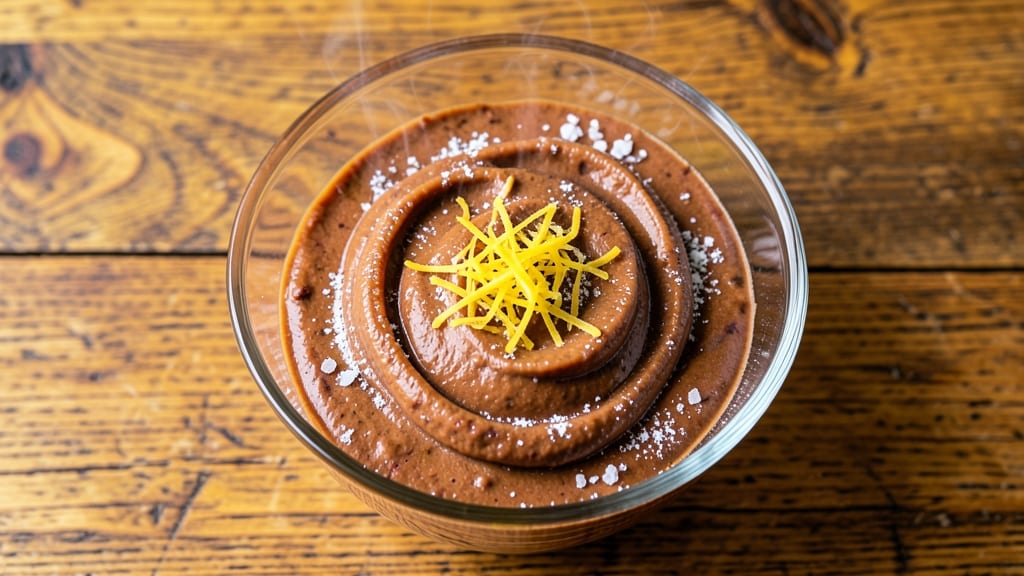
This bean paste buttercream recipe transforms humble ingredients into a silky, egg-free frosting that rivals traditional buttercream. The secret lies in blending smooth bean paste with plant-based butter and powdered sugar, creating a stable yet velvety texture perfect for vegan desserts.
I developed this recipe after discovering how red bean paste could replace eggs while adding natural sweetness and depth—no one will guess it’s plant-based.
The magic happens when you whip the ingredients to soft peaks, achieving that signature lightness without dairy or eggs. This versatile frosting works beautifully on cakes, cupcakes, or as a filling for mochi and pastries.
The bean paste adds subtle earthy notes that complement vanilla, citrus zest, or even a pinch of salt for balance. What you’ll end up with is a frosting that’s smooth, pipeable, and rich enough to satisfy any sweet tooth.
What makes this recipe stand out is its simplicity—just five key ingredients come together in minutes. The plant-based butter ensures a creamy finish, while the bean paste provides structure without the need for stabilizers.
Whether you’re frosting a birthday cake or filling pastries, this buttercream delivers professional results with a fraction of the effort. Ready to elevate your vegan desserts?
Perfect for those with dietary restrictions or anyone craving a lighter yet indulgent frosting option. The texture holds up beautifully, making it ideal for decorating or spreading. Let’s get started on creating this game-changing dessert topping.
Ingredients for bean paste buttercream
Five ingredients transform into a silky, plant-based buttercream with restaurant-quality texture.
| Ingredient | Amount | Notes |
|---|---|---|
| Smooth Red Bean Paste 🍫 | ½ cup | High-quality, unsweetened preferred |
| Plant-Based Butter 🧈 | ½ cup | Fully hydrogenated-free, e.g., Miyoko's |
| Powdered Sugar 🍚 | 2 cups | Sifted for smooth texture |
| Vanilla Extract 🌿 | 1 tbsp | Pure, alcohol-free preferred |
| Lemon Zest 🍋 | 1 tsp | Freshly grated for brightness |
| Salt 🧂 | ¼ tsp | Fine sea salt for balance |
| Lemon Juice 🍋 | ½ tsp | Freshly squeezed for acidity |
| Cornstarch 🌾 | ½ tsp | As stabilizer for structure |
The red bean paste is the foundation—opt for high-quality, unsweetened varieties available at Asian markets or specialty stores like Whole Foods. Brands like Hana Kitchen or Mochiko yield the smoothest results without graininess. Freshness is key: check for a vibrant red color and absence of lumps. For the plant-based butter, Miyoko's or Earth Balance deliver the best creaminess, though any fully hydrogenated-free brand works. The powdered sugar should be sifted before measuring to prevent clumping, which can disrupt the buttercream's lightness. If you're using a boxed mix, Domino or C&H brands are reliable for consistent texture.
No red bean paste? Sweet potato purée (cooked and mashed) or mashed chickpeas can substitute at half the amount, though texture may vary slightly. Running low on plant-based butter? Coconut oil (solid) works in a pinch, but reduce by 0.25 cup to maintain stability. For the vanilla, alcohol-free extracts like Frontier Co-op enhance flavor without overpowering the bean paste's earthiness. The lemon zest and juice can be swapped for orange zest and juice if preferred, though lemon provides the ideal acidity balance. If you're concerned about the cornstarch altering flavor, arrowroot powder is a neutral alternative at the same ratio.
Store the buttercream in an airtight container between uses, layered with parchment paper to prevent sticking. It remains stable at room temperature for 3-4 days, though refrigeration extends shelf life to 1 week. For longer storage, freeze in 1-tablespoon portions for easy thawing—simply microwave for 10-15 seconds to soften before piping. The frosting thickens slightly when chilled, so let it sit at room temperature for 10 minutes before re-whipping if needed. This recipe yields enough for two 8-inch cakes or 24 cupcakes, with minimal leftovers if portioned carefully.
Why You'll Love This Recipe
- Three-Ingredient Whip: I swear, this comes together with just the red bean paste, plant-based butter, and a splash of vanilla. Honestly, if I forget powdered sugar, I’ll just eyeball it—it’s that forgiving.
- Velvet-Smooth Magic: That silky red bean paste melts into the buttercream like a dream, giving it this unexpected richness. The lemon zest? Tiny but mighty—brightens every bite without overpowering.
- Crowd-Pleaser Flex: Slather it on cupcakes, frost a sheet cake, or dollop it into cookies. I’ve even used it to fill pastries when I’m short on time. Works for birthdays, holidays, or just because.
- No-Waste Wonder: The leftovers keep beautifully in the fridge for days—perfect for last-minute decorating. And since it’s mostly pantry staples? My wallet thanks me every time.
Step-by-step instructions for bean paste buttercream
Here's how to create a velvety bean paste buttercream with perfect stability and flavor.
Whip Plant-Based Butter to Room Temperature
Place the 0.5 cup plant-based butter in a medium mixing bowl and let it sit at room temperature for 30-45 minutes until soft but not melted. You'll know it's ready when it leaves a slight indentation when pressed with your finger—this ensures smooth incorporation without graininess.
Use a hand mixer on medium speed to whip the butter for 2-3 minutes until it's light and fluffy. This step is critical for creating air pockets that will give your buttercream its signature silky texture. If the butter starts to melt, chill the bowl in the freezer for 5 minutes before continuing.
Gradually Add Powdered Sugar and Stabilizers
With the mixer running on low speed, slowly add the 2 cups powdered sugar in a steady stream. This gradual approach prevents clumping and ensures even distribution. After all the sugar is incorporated, mix on medium speed for 1-2 minutes until the mixture is smooth and creamy.
In a small bowl, whisk together the 0.5 tsp cornstarch, 0.5 tsp lemon juice, and 0.25 tsp salt. Sprinkle this mixture over the buttercream and mix on low speed for 30 seconds to combine. The cornstarch acts as a stabilizer, preventing the buttercream from becoming too soft or melting too quickly.
Incorporate Bean Paste and Aromatics
Add the 0.5 cup smooth red bean paste to the mixture and mix on low speed for 1 minute. The bean paste will initially make the buttercream appear thick and uneven, but keep mixing—it will come together. If the mixture looks too stiff, add 1 tablespoon of water at a time until it reaches a spreadable consistency.
Add the 1 tbsp vanilla extract and 1 tsp lemon zest, mixing on low speed for 30 seconds to fully incorporate. The lemon zest adds brightness, while the vanilla extract deepens the flavor profile. Taste the mixture and adjust the sweetness if needed—you can add more powdered sugar if desired, but be cautious as the bean paste already contributes natural sweetness.
Beat to Final Consistency
Increase the mixer speed to high and beat the buttercream for 3-5 minutes until it's light, fluffy, and smooth. You'll notice it thicken slightly as it incorporates air. The buttercream should hold its shape when piped but still be spreadable—this is the ideal consistency for frosting cakes or filling cupcakes.
For a glossy finish, transfer the buttercream to a piping bag fitted with a smooth tip and pipe a thin layer onto parchment paper. Use an offset spatula to spread it into a thin sheet. If it doesn't hold its shape, chill the buttercream for 15-20 minutes before using. This step ensures a professional finish and prevents melting during warm weather.
Store and Use Properly
Transfer the buttercream to an airtight container and refrigerate for up to 5 days. When ready to use, let it sit at room temperature for 10-15 minutes to soften. If it becomes too thick, re-whip it with a hand mixer for 1-2 minutes to restore its smooth texture.
This buttercream is versatile—use it to frost cakes, fill cupcakes, or even as a filling for pastries. Its neutral base allows it to complement both sweet and slightly tart flavors, making it a versatile choice for any dessert.
Pro Tips For Making Bean Paste Buttercream
- Warm the Bean Paste: Mixing cold bean paste straight into buttercream makes it clump like a stubborn glue. Microwave the paste for 10-15 seconds first—just until it’s soft enough to fold in smoothly. (Yes, even if the package says it’s "ready to use.")
- Use Room-Temp Butter: Plant-based butter straight from the fridge will seize up your buttercream faster than a winter freezer. Let it sit out for 30 minutes before whipping—no need to melt it, just soft. Trust me, your mixer will thank you.
- Balance the Sweetness: That smooth red bean paste is already packed with sugar, so don’t drown it in powdered sugar. Start with 1 cup per ½ cup paste, then taste—you’ll likely need less than the recipe suggests. (I learned this after frosting a cake that tasted like a dessert from a carnival.)
- Add Zest Last: Lemon zest brightens the flavor, but it loses potency when whipped too early. Fold it in just before piping—this keeps the citrus aroma sharp and prevents it from turning bitter. (And skip the juice; it’ll make your buttercream too wet.)
Troubleshooting perfect results
Grainy Texture Fix
If your buttercream turns grainy, the issue is likely unrefined bean paste or improperly sifted powdered sugar. First, pass the 0.5 cup red bean paste through a fine-mesh sieve to eliminate any lumps. For the powdered sugar, use a Domino brand boxed mix and sift it thoroughly before adding.
If graininess persists, blend the buttercream in a food processor for 30 seconds to break down any remaining particles. 💫
Too Soft or Melty
Overheating the plant-based butter or insufficient cornstarch can cause a runny texture. Chill the bowl and beaters in the freezer for 10 minutes before re-whipping. If the issue continues, add 0.25 tsp more cornstarch and mix on low speed until fully incorporated.
For immediate results, transfer the buttercream to the fridge for 20-30 minutes to firm up slightly.
Separation Issues
Separation occurs when ingredients aren't combined properly or the buttercream sits too long at room temperature. To fix, gently fold in 1 tbsp warm water using a spatula, then re-whip on medium speed for 2 minutes.
For prevention, always store buttercream in an airtight container between uses and avoid exposing it to direct sunlight or heat sources.
Overly Sweet or Bitter
The natural sweetness of red bean paste can sometimes overpower the flavor. Taste the mixture before final whipping and adjust with 1 tsp lemon juice or a pinch of salt to balance.
If it tastes bitter, add 0.5 tsp vanilla extract or a sprinkle of cinnamon to enhance sweetness naturally. For a tangier profile, increase the lemon zest to 1.5 tsp.
Piping Problems
If your buttercream isn't holding its shape when piped, it needs more structure. Chill the mixture for 20 minutes, then re-whip on high speed for 3 minutes. For stubborn cases, add 0.25 tsp more cornstarch and mix until smooth.
Use a piping bag with a smaller tip (like a Wilton 1M) for better control, and apply gentle pressure while piping to avoid collapsing the shape.
Flavor Imbalance
When the bean paste's earthiness dominates, brighten the flavor with an extra 0.5 tsp lemon zest or 0.25 tsp orange zest. For a richer profile, fold in 1 tbsp coconut cream at the end.
If the vanilla flavor feels weak, swap to alcohol-free Madagascar vanilla extract, which has a more intense aroma. Always taste as you go—adjustments are easier before final whipping. ✨
Nutrition facts
Frequently asked questions
Can I use other types of bean paste besides red?
Sweet potato purée or mashed chickpeas work well as substitutes for red bean paste. Use half the amount (about 0.25 cup) and adjust sweetness with extra powdered sugar if needed. Black bean paste also works but may add a slightly earthier flavor—reduce to 0.375 cup for balance.
Why does my bean paste buttercream turn grainy?
Graininess usually comes from unrefined bean paste or clumpy powdered sugar. Sieve both ingredients before mixing, and use a high-quality, smooth bean paste like Hana Kitchen brand. If graininess persists, blend the mixture briefly in a food processor to break down any lumps.
How do I adjust the sweetness level?
The bean paste already adds natural sweetness, but you can tweak it further. For less sweetness, add 0.5 tsp lemon juice or a pinch of salt. For more sweetness, gradually increase powdered sugar by 0.25 cup increments while mixing. Taste before final whipping for best results.
Can this buttercream be made ahead?
Yes! Store it in an airtight container in the fridge for up to 5 days. Let it sit at room temperature for 10-15 minutes before re-whipping to restore smoothness. For longer storage, freeze in portions and thaw overnight in the fridge.
What are the best piping tips for this recipe?
Use a Wilton 1M or similar small round tip for clean lines. Chill the buttercream for 15 minutes first to improve stability. Pipe in short bursts and smooth with a wet finger or offset spatula for a polished look. For rosettes, use a Wilton 104 tip.