Soups & Stews
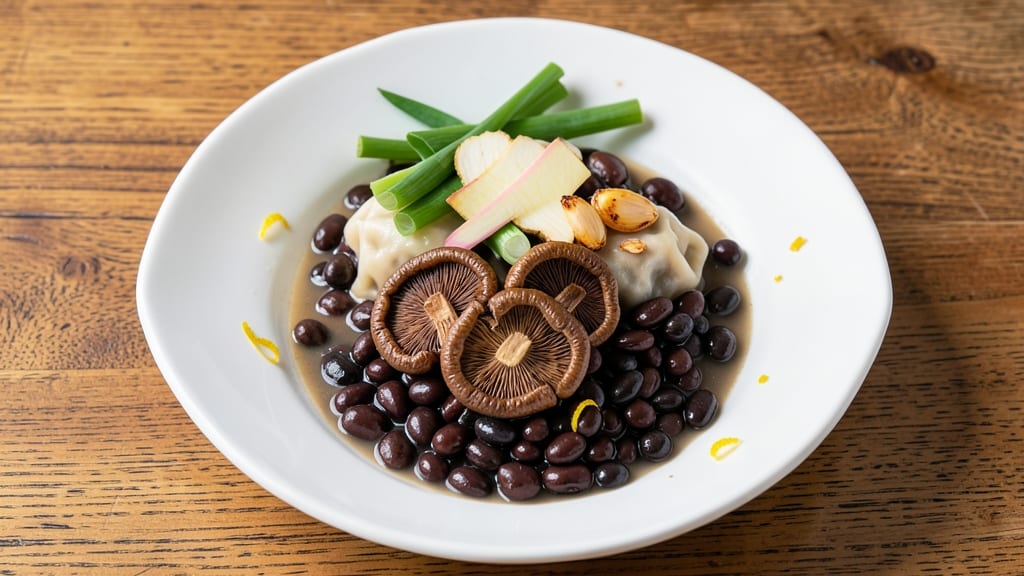
Bean soup dumplings transform a simple vegetable broth into delicate, steamed parcels that burst with savory goodness in every bite. 💫 The secret lies in balancing silky bean soup with sturdy dumpling wrappers—no shortcuts here, just precise technique for perfect pleats and sealed edges that hold their shape while steaming. This recipe delivers restaurant-quality results with just a few key ingredients and 30 minutes of hands-on time.
What sets these dumplings apart is the rich, hearty bean broth—thickened just enough to coat each bite while maintaining a light, silky texture. The filling combines tender mushrooms, hearty beans, and aromatic herbs, all simmered until perfectly tender.
Unlike traditional dumplings, these rely on a vegetarian base that still delivers deep umami flavor without meat.
By the time you pull them from the steamer, you'll have dumplings with crisp edges and tender centers, filled with fragrant bean soup that stays intact. The pleated tops create a beautiful presentation, while the broth-infused filling ensures every bite is packed with flavor.
Serve with a drizzle of chili oil or soy-ginger dipping sauce for extra depth.
Perfect for meal prep or special occasions, these dumplings reheat beautifully and make an impressive vegetarian main. The technique is approachable yet refined—ideal for both beginners and experienced cooks looking to elevate their dumpling game. Let's get started!
Ingredients for bean soup dumplings
These ingredients transform simple vegetables into delicate, restaurant-quality bean soup dumplings bursting with umami flavor.
| Ingredient | Amount | Notes |
|---|---|---|
| Dried Shiitake Mushrooms 🍄 | ½ oz | Rehydrated in warm water |
| Dried Black Beans 🌱 | 1 cup | Soaked overnight or quick-soaked |
| Vegetable Broth 💧 | 1 ½ cups | Low-sodium preferred |
| Fresh Ginger 🧄 | 1 tbsp | Finely minced for aroma |
| Garlic Cloves 🧄 | 3 cloves | Minced for depth of flavor |
| Green Onions 🧅 | 3 whole | White and green parts separated |
| Dumpling Wrappers 🍜 | 16 pieces | Square, 3.5-inch size preferred |
| Sesame Oil 🫒 | 1 tbsp | For finishing drizzle |
| Vegetable Oil 🫒 | 1 tbsp | For wrapper sealing |
| Salt 🧂 | ½ tsp | Diamond Crystal preferred |
| White Pepper 🌶️ | ¼ tsp | Freshly ground for subtle heat |
| Dried Shiitake Mushroom Broth 🍲 | ½ cup | From rehydrated mushrooms |
| Fresh Parsley 🌿 | ¼ cup | Chopped for garnish |
The shiitake mushrooms and black beans form the heart of this recipe—dried varieties develop deeper flavor than fresh. For the beans, quick-soak in hot water for 1 hour if short on time, but overnight soaking yields the best texture. Whole Foods or Asian markets carry high-quality dried shiitake with rich umami notes. The ginger and garlic are non-negotiable for that authentic savory depth—freshly minced releases more aromatic oils than pre-minced jars. When selecting dumpling wrappers, look for 3.5-inch squares with even thickness; King Noodle brand is a reliable choice for consistent results.
No dried shiitake? Fresh shiitake or cremini mushrooms work in a pinch, but reduce the amount by half since they're less concentrated. Running low on black beans? Lentils or chickpeas provide similar texture when cooked until very tender. The vegetable broth should be low-sodium—Pacific Foods or homemade versions work best. For extra umami, add 1 tsp soy sauce or mushroom powder> to the filling. When separating green onions, reserve the white parts for the filling and chop the greens for garnish—they add freshness that balances the rich bean broth.
Store dried beans and mushrooms in airtight containers> in a cool, dark place for up to 12 months>. Dumpling wrappers freeze beautifully—wrap in plastic wrap> and they'll keep for 3 months>. Once assembled, dumplings can be refrigerated for 1 day> before steaming or frozen for 2 months>. For freezing, place parchment between layers to prevent sticking. The filling can be prepped ahead and stored for 3 days**>—just reheat before assembling.
Why You'll Love This Recipe
- Pantry Magic: I swear by this recipe on days when my fridge is bare. Soak those dried shiitake and black beans overnight—boom, instant umami depth without hunting for fresh ingredients. The broth reduces to a rich, thick base that tastes like you simmered for hours.
- Umami Bomb: That combo of rehydrated mushrooms and black beans? It’s a flavor explosion in your mouth. A splash of ginger and minced garlic turns it from "soup" to "I’d eat this every day" territory—no fancy seasoning required.
- Lunchbox Hero: Between us, this is my go-to for meal prep. The filling stays together when chilled, and the dumplings reheat beautifully—perfect for lunches or potlucks. (Yes, even on a Tuesday night.)
- Budget Win: Dried beans and mushrooms stretch this recipe into a whole meal for less than $5. Honestly, the only thing costlier is my habit of making double batches—because leftovers taste just as good the next day.
Step-by-step instructions for bean soup dumplings
Master the art of creating delicate dumplings filled with rich, silky bean soup—each bite delivers perfect texture and flavor.
👨🍳 Step 1: Prepare the Bean Filling Base
Begin by rehydrating the 0.5 oz dried shiitake mushrooms in warm water for 20 minutes until pliable. Drain, reserving the 0.5 cup dried shiitake mushroom broth for later use. In a small saucepan, combine the rehydrated mushrooms, 1 cup dried black beans, 1.5 cups vegetable broth, and 0.5 tsp salt.
Bring to a boil, then reduce heat to low-medium and simmer for 45-50 minutes until the beans are completely tender and the mixture forms a thick, creamy purée. The filling should be smooth but still hold its shape when piped—this ensures it doesn't leak when steamed. If it's too thick, add 1-2 tablespoons of the reserved mushroom broth to reach the perfect consistency.
🍳 Step 2: Build Flavor with Aromatics
While the beans cook, prepare the aromatic base by heating 1 tablespoon vegetable oil in a small skillet over medium heat. Add the 1 tablespoon finely minced fresh ginger and 3 cloves minced garlic, cooking for 30 seconds until fragrant but not browned. Immediately transfer this mixture to the bean filling and stir well.
Return the pan to low heat and cook for another 5 minutes to allow the flavors to meld. The filling should now have a deep, earthy aroma with a subtle hint of ginger's warmth. Taste and adjust seasoning with an additional pinch of salt if needed—this is your flavor foundation, so don't skimp on seasoning. Let the filling cool completely before assembling the dumplings.
🥘 Step 3: Assemble the Dumplings
Place the 16 dumpling wrappers on a clean, flat surface. Using a small spoon or piping bag, place 1 teaspoon of the bean filling in the center of each wrapper, leaving about ½ inch of border around the edges. The filling should be mounded slightly to create a dome when folded.
Dip your finger in water and gently moisten the edges of the wrapper. Fold the wrapper diagonally in half to form a triangle, then press the edges firmly to seal. I like to use a rolling motion with my fingers to create a tight seal—this prevents leaks during steaming. Arrange the assembled dumplings on a plate, leaving 1 inch of space between each to allow steam circulation.
🔥 Step 4: Steam to Perfection
Set up a steamer by filling a large pot with 2 inches of water and bringing it to a boil. Place a steamer basket or colander inside the pot, ensuring it doesn't touch the water. Arrange the dumplings in a single layer in the steamer, leaving space between them. Cover with a lid and steam over medium-high heat for 8-10 minutes.
You'll know they're perfectly cooked when the wrappers turn translucent and the steam rising from them carries a rich, savory aroma. The filling should be hot but not boiling—just enough to create that signature "silk" texture. Remove the dumplings and let them rest for 2 minutes before serving to allow the juices to redistribute.
🍽️ Step 5: Finish and Serve
To serve, cut each dumpling diagonally with a sharp knife. Drizzle with 1 tablespoon sesame oil and garnish with 0.25 cup chopped fresh parsley and the white and green parts of 3 whole green onions, separated and sliced. The sesame oil adds a nutty finish, while the parsley and green onions provide fresh contrast to the hearty filling.
Serve immediately with a side of soy sauce or chili oil for dipping. Each dumpling should have a delicate, almost delicate wrapper that gives way to reveal a creamy bean soup with deep umami flavor. The texture should be silky inside with a slight resistance that gives way to a smooth, velvety mouthfeel—this is what makes these dumplings truly special.
Pro Tips For Making Bean Soup Dumplings
- SOAK MUSHROOMS OVERNIGHT: I learned this the hard way—throwing dried shiitakes in boiling water for 10 minutes just gives you a sad, chewy mess. Soak them in hot (not boiling) water for at least 8 hours or overnight, then simmer them gently for 15-20 minutes to keep that rich, tender texture. The broth will thank you.
- CRUSH BEANS BEFORE SOAKING: Skip the whole black beans and you’re missing out on the real flavor. Lightly crush them with a rolling pin or heavy pan before soaking—this breaks down the skins just enough to make the broth silky instead of grainy. (Yes, even if you’re impatient like me.)
- SIMMER LOW AND SLOW: This isn’t the time to rush. After the initial boil, reduce the heat to a bare simmer—just enough to keep tiny bubbles breaking the surface. I used to crank it up, and the beans would either turn mushy or stay hard. Low and slow (45-60 minutes) guarantees a creamy, cohesive soup.
- RESERVE THAT BROTH: Strain the finished bean soup and save the liquid—it’s liquid gold for dumpling filling or broth upgrades. If you’re making a big batch, freeze half for later. I used to toss it out, but now I always have a backup for next time. (Your future self will thank you.)
Troubleshooting this recipe
Leaky Dumplings
If your dumplings leak during steaming, the filling is likely too wet or the seals aren't tight enough. First, ensure your bean filling has reached a thick, pipeable consistency—it should hold its shape when spooned.
If it's too runny, simmer uncovered for 5-10 extra minutes to evaporate excess moisture. When sealing, moisten the edges thoroughly with water and press firmly with your fingers or a rolling pin to create an airtight barrier.
For extra security, brush the folded edges with a tiny bit of egg wash> (if using egg wrappers) or a light coat of vegetable oil>. 💧
Undercooked Centers
Dumplings with undercooked centers usually mean insufficient steaming time or overcrowding in the steamer. Always arrange dumplings in a single layer> with 1 inch> of space between them for proper steam circulation. If using a colander, ensure it has holes large enough to allow steam to rise freely.
Steam for 8-10 minutes> over medium-high heat>—if your kitchen runs cold, add 1-2 minutes> and check for doneness. The filling should be hot but not boiling when cut open. 🔥
Dough Too Chewy
If your dumpling wrappers turn out chewy rather than tender, they were likely overworked or not cooked properly. Handle the wrappers gently—only fold and seal once. For extra tenderness, steam for 1-2 minutes> longer than usual to fully cook the starches.
If using store-bought wrappers, check the package for recommended steaming times. For homemade wrappers, ensure your dough rests for 30 minutes> before rolling to relax the gluten. 🥞
Filling Too Watery
A watery filling often results from over-soaking beans or adding too much broth. For black beans, stick to 1 cup dried beans> and no more than 1.5 cups broth>. If the mixture is too thin, simmer uncovered to reduce.
For extra thickness, mash the beans slightly with a potato masher or fork while still warm. Avoid adding water—reserved mushroom broth is your best friend for adjusting consistency. Taste as you go to ensure the filling holds together when piped. 🍲
Uneven Cooking
Uneven cooking usually happens when dumplings aren't arranged evenly in the steamer. Always place them in a single layer> with equal spacing. If using a steamer basket, rotate it halfway through cooking> to ensure even heat distribution.
For electric steamers, follow the manufacturer's guidelines for load capacity. If some dumplings cook faster, remove them early and return to the steamer for 1-2 minutes> before serving. 🌡️
Wrappers Sticking Together
Sticky dumplings are a common issue, but a little prep prevents this. Always arrange dumplings on a parchment-lined plate> before steaming. If they stick to the steamer, use a silicon mat> or lightly grease the basket with oil.
After steaming, transfer dumplings to a clean plate immediately. For extra protection, place a damp paper towel**> over the dumplings while they steam—this adds moisture without sticking. 🧻
Nutrition facts
Frequently asked questions
Can I make these bean soup dumplings vegan?
Yes! Use vegan dumpling wrappers (like rice paper or store-bought egg-free versions) and replace the sesame oil with a neutral oil for finishing. For the filling, ensure your vegetable broth is vegan, and add 1 tsp soy sauce or mushroom powder to boost umami. The black beans and shiitake mushrooms already provide plenty of plant-based protein.
How do I store leftover bean soup dumplings?
Store cooked dumplings in an airtight container in the fridge for 2-3 days or freeze for up to 2 months. To reheat, steam for 5-6 minutes over medium heat or microwave for 30-45 seconds (covered) until warm. Avoid boiling to prevent soggy wrappers—steam is the gentlest method.
What's the best way to seal dumpling edges?
Moisten the edges with water, then press firmly with your fingers in a rolling motion to create a tight seal. For extra security, brush the folded edges with a tiny bit of vegetable oil (if using oil-based wrappers) or egg wash (if using egg wrappers). This prevents leaks during steaming—critical for keeping the filling intact!
Can I use canned beans instead of dried?
Yes, but adjust the liquid ratio carefully. Use 1.5 cups drained canned black beans and reduce the vegetable broth to 1 cup to avoid a watery filling. Simmer the filling for 20-25 minutes to thicken, stirring occasionally. Canned beans cook faster but lack the deep flavor of dried—soak overnight for best results.
How do I know when the bean filling is ready?
The filling is perfect when it's thick, creamy, and pipeable—it should hold its shape when spooned but still be smooth. Test by dropping a small spoonful into cold water: if it holds together, it's ready. If too runny, simmer uncovered for 5-10 more minutes to evaporate excess moisture.