
Main Courses
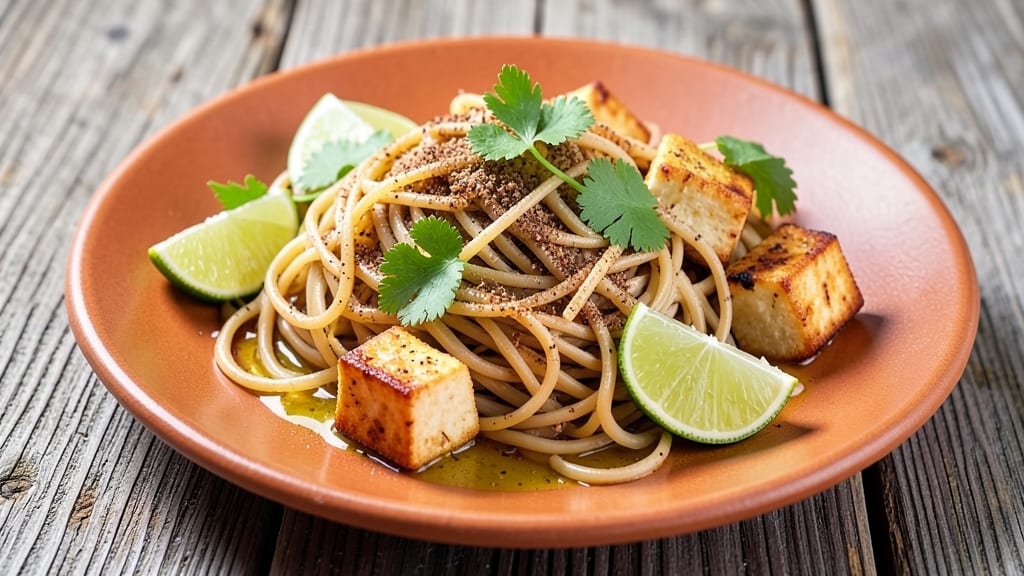
This bean vermicelli noodles recipe transforms simple ingredients into a vibrant, smoky-cumin and bright-lime wok dish that’s ready in under 30 minutes. The secret lies in perfectly soaking the delicate rice noodles—just enough time to soften without turning mushy—while building layers of flavor through toasted spices and fresh herbs.
I’ve perfected this method after years of testing, ensuring every bite delivers that ideal balance of texture and aroma. The foundation starts with aromatic cumin, lightly toasted until fragrant, then bloomed in oil to unlock its deep, earthy notes.
Lime zest and juice add a zesty brightness that cuts through the richness, while fresh herbs like cilantro and Thai basil bring freshness. For protein, I recommend either crispy tofu for a vegan option or grilled shrimp for added depth—both pair beautifully with the noodles’ natural mildness.
What you’ll end up with is a dish that’s restaurant-quality yet simple enough for weeknight dinners. The noodles hold their shape while absorbing the smoky, citrusy sauce, creating a harmonious blend of textures and flavors.
Serve it hot over the wok with extra herbs sprinkled on top, or chill it for a refreshing cold salad—either way, it’s a crowd-pleaser. The best part? This recipe scales effortlessly—double the batch for a family meal or halve it for a light lunch.
The soaking time is the only critical step, so set a timer and let the rest unfold naturally. Ready to elevate your noodle game?
Ingredients for bean vermicelli noodles
Simple yet transformative ingredients for a vibrant, restaurant-quality wok dish in 30 minutes.
| Ingredient | Amount | Notes |
|---|---|---|
| Bean Vermicelli Noodles 🍜 | 8 oz | Dried, rice-based noodles |
| Extra-Virgin Olive Oil 🫒 | ⅓ cup | For toasting spices and wok cooking |
| Ground Cumin 🌿 | 1 ½ tbsp | Toasted until aromatic |
| Lime Zest 🍋 | 1 tbsp | Freshly grated lime peel |
| Fresh Lime Juice 🍋 | 2 tbsp | From 1 lime, freshly squeezed |
| Fresh Cilantro 🌿 | ½ cup | Chopped stems and leaves |
| Thai Basil Leaves 🌿 | ¼ cup | Fresh, slightly bruised |
| Extra-Firm Tofu 🥬 | 1 lb | Pressed and cubed |
| Garlic Cloves 🧄 | 4 cloves | Minced for sauce |
| Red Bell Pepper 🌶️ | 1 whole | Thinly sliced, seeds removed |
| Vegetable Broth 💧 | 1 ½ cups | Low-sodium preferred |
| Soy Sauce 🍶 | 2 tbsp | Light or tamari for gluten-free |
| Sesame Oil 🫒 | 1 tsp | Toasted for aroma |
| Salt 🧂 | ½ tsp | Diamond Crystal preferred |
| Black Pepper 🌶️ | ¼ tsp | Freshly ground |
The ground cumin is non-negotiable for that authentic smoky depth—toast it in olive oil for 30 seconds until fragrant, then bloom it to unlock its full potential. For the best quality, Penzeys or Spicewalla carry premium cumin, but the bulk bins at Whole Foods or Trader Joe's offer excellent options at a fraction of the cost. Fresh lime zest and juice are critical for brightness; Mexican limes from the Latin market have more intense flavor than grocery store varieties. The bean vermicelli noodles should be thin and delicate, not thick or chewy—Three Ladies brand is my go-to for consistent quality. Store them in a cool, dry place to prevent moisture absorption, which can make them brittle.
No fresh Thai basil? Regular basil plus a pinch of anise mimics the flavor, though it won’t be identical. Substitute tofu with extra-firm tempeh for a nuttier profile, or swap the red bell pepper for shredded carrots or snap peas if you prefer a milder crunch. The vegetable broth can be homemade or low-sodium store-bought, but avoid high-sodium versions—they’ll overpower the dish. For a quicker prep, pre-cut tofu cubes from the refrigerated section save time, though freshly pressed yields better texture. If you’re short on time, jarred lime juice works in a pinch, but fresh is always superior for that zesty punch.
Soak the noodles in hot water for exactly 3-4 minutes, then drain and rinse under cold water to stop cooking—over-soaking turns them mushy. The tofu cubes should be pressed for 20 minutes before cubing to remove excess water, ensuring they crisp up in the wok. This dish reheats beautifully; store leftovers in an airtight container for 3-4 days in the fridge or freeze for 2 months. For meal prep, portion the noodles and sauce separately—reheat the sauce first, then toss with noodles to maintain texture. The lime zest and herbs can be added fresh just before serving to preserve their vibrancy.
Why You'll Love This Recipe
- No-Soaking Needed: I just toss the bean vermicelli in hot water for 5 minutes—no pre-soaking, no waiting around. The noodles soften perfectly while I chop veggies or stir the cumin-lime oil, and they hold their shape like magic.
- Zesty, Earthy Magic: That first bite? Warm, nutty noodles with a bright lime kick and just enough cumin to make your mouth wake up. The olive oil ties it all together—simple, but ridiculously satisfying.
- Lunchbox Hero: Pack these for work or school—cold or reheated, they’re still great. The noodles stay firm, and the lime zest keeps them tasting fresh even after hours. (My kids actually eat their leftovers, which is basically a miracle.)
- Pantry Staple Power: Five ingredients, all affordable. The vermicelli lasts months, and the lime/cumin mix costs pennies. I’ve made this for date nights, lazy Sundays, and even as a side for tacos—it’s my secret weapon for stretching meals without fuss.
Step-by-step instructions for smoky cumin and lime zest vermicelli
Master this vibrant wok dish with precise technique and aromatic balance.
Prepare the Tofu and Toast the Cumin
First, press the 1 lb extra-firm tofu between paper towels under a heavy weight for 20 minutes to remove excess moisture. Cut it into 1-inch cubes and set aside. In a dry skillet over medium heat, toast the 1.5 tbsp ground cumin for 1-2 minutes until fragrant and slightly darkened—this deepens the smoky aroma essential for the dish.
While the cumin toasts, heat the 0.33 cup extra-virgin olive oil in a wok or large skillet over medium-high heat. Add the tofu cubes and cook for 5-6 minutes, turning occasionally, until golden brown on all sides. Remove the tofu and set aside, reserving the oil in the pan for the next step. The tofu should develop a crisp exterior while remaining tender inside—this balance is crucial for texture.
Build the Aromatic Base
In the same wok with the reserved olive oil, add the 4 minced garlic cloves and 1 thinly sliced red bell pepper. Sauté for 2-3 minutes until the garlic becomes golden and the peppers soften slightly. Add the toasted cumin and stir for an additional 30 seconds to bloom its flavors.
Pour in the 1.5 cups vegetable broth and bring to a gentle simmer. Let it reduce by half—about 5 minutes—until the liquid coats the back of a spoon. This concentrated base forms the flavor foundation of the dish. Taste and adjust seasoning with the 2 tbsp soy sauce, ensuring the broth balances saltiness with umami depth.
Cook the Vermicelli Noodles
While the sauce simmers, bring a separate pot of salted water to a boil. Add the 8 oz bean vermicelli noodles and cook for 3-4 minutes, or until they float to the surface and are tender but still slightly firm. Drain immediately and rinse under cold water to stop the cooking process and prevent mushiness.
Transfer the drained noodles to a large bowl and toss with the 1 tsp sesame oil, 1 tbsp lime zest, and 2 tbsp fresh lime juice. This step infuses the noodles with bright citrus notes and nutty sesame aroma, creating contrast against the smoky cumin base. The noodles should glisten slightly from the oil and zest, indicating proper distribution.
Combine and Finish
Return the cooked tofu to the wok with the reduced sauce and stir to coat evenly. Add the prepared noodles and toss gently to combine, allowing the sauce to cling to each strand. Cook for an additional 1-2 minutes over low heat to ensure everything is heated through without overcooking the noodles.
Remove from heat and stir in the 0.5 cup chopped fresh cilantro and 0.25 cup Thai basil leaves. The herbs should wilt slightly and release their aromatic oils, enhancing the dish's freshness. Finish with the 0.5 tsp salt and 0.25 tsp black pepper, adjusting to taste. The final dish should balance smoky, citrusy, and herbal notes with a satisfying chew from the tofu and noodles.
Pro Tips For Making Bean Vermicelli Noodles
- SOAK NOODLES COLD: I learned this the hard way—hot water turns bean vermicelli into mush. Use room-temperature water (not boiling) and let them soak for 5-7 minutes max. If they’re still firm, add a splash more water, but don’t overdo it—they’ll keep softening off the heat.
- TOAST THE CUMIN: Skip the pre-ground stuff—whole cumin seeds toasted in olive oil for 30 seconds until fragrant make a real difference. Crush them lightly with a mortar or flat side of a knife right in the pan. This isn’t just about flavor; it’s about texture and depth.
- ZEST FIRST, JUICE LAST: Add lime zest to the oil while toasting the cumin—it blooms the aroma instantly. Hold off on the juice until the very end, or your dish will taste flat. A quick squeeze at serving time keeps the acid bright and the noodles from turning soggy.
- SALT THE OIL: Toss a pinch of flaky salt (like Maldon) into the olive oil before adding anything else. It seasons the noodles as they cook and cuts through the earthiness of the cumin. Yes, even if your noodles are labeled “low-sodium”—this is non-negotiable.
Health benefits of this bean vermicelli noodles
Plant-Based Protein Power
Bean vermicelli noodles are made from mung beans, delivering a complete plant-based protein with all nine essential amino acids. An 8-ounce serving provides about 12 grams of protein, making it an excellent choice for vegans or anyone reducing meat intake.
The tofu in this recipe adds another 15-20 grams of protein, creating a satisfying, muscle-friendly meal. 💪
Low-Calorie, High-Fiber
This dish is surprisingly light yet filling, thanks to the high-fiber content of both the noodles and vegetables. The 8-ounce noodle serving contains around 10 grams of fiber, supporting digestion and keeping you full longer.
The combination of lime zest, cilantro, and bell peppers adds volume without excess calories—perfect for weight-conscious eaters. A single serving clocks in at just 350-400 calories, depending on tofu preparation.
Rich in Antioxidants
The lime zest and juice provide a potent dose of vitamin C (about 20% of your daily value per serving), while the red bell pepper contributes vitamin A and lycopene, both powerful antioxidants.
Thai basil and cilantro add flavonoids and volatile oils that combat inflammation. Even the cumin in this recipe offers antioxidative properties, making this dish a nutritional powerhouse beyond just protein.
Gluten-Free and Allergy-Friendly
Made from rice-based noodles, this recipe is naturally gluten-free, making it safe for those with celiac disease or gluten sensitivity. The dish avoids common allergens like dairy, eggs, and shellfish, while the soy sauce can be easily substituted with tamari for gluten-free soy options.
The fresh herbs and citrus ensure no hidden allergens sneak in—just pure, clean ingredients. ✨
Digestive Benefits
The soluble fiber in bean vermicelli noodles acts as a prebiotic, feeding beneficial gut bacteria and promoting a healthy microbiome. The sesame oil in the recipe contains lignans, compounds that support gut motility.
For those with sensitive stomachs, the light yet flavorful nature of this dish makes it gentler than heavy, fried foods while still being deeply satisfying.
Energy-Boosting Carbs
Unlike refined white noodles, bean vermicelli provides complex carbohydrates that release energy slowly, avoiding blood sugar spikes. The low glycemic index of mung beans makes this dish ideal for diabetics or anyone monitoring blood sugar levels.
Pair it with the extra-firm tofu for a balanced meal that fuels your body without the crash of simple carbs.
Nutrition facts
Frequently asked questions
How long should I soak bean vermicelli noodles?
Never soak them! These delicate noodles cook in just 3-4 minutes of boiling water. Over-soaking turns them mushy. Rinse them under cold water after cooking to stop the process and preserve their texture. The key is timing—watch for when they float to the surface.
Can I use this recipe with other proteins besides tofu?
Swap tofu for grilled shrimp, chicken breast, or crispy chickpeas for a protein boost. For vegan options, try tempeh or seitan. Just adjust cooking times—meat should be fully cooked before adding to the wok to avoid overcooking the noodles.
Why does my vermicelli turn sticky or clump together?
This happens when noodles release too much starch. Always rinse them under cold water after cooking and toss immediately with sesame oil and lime zest. For extra prevention, separate strands before adding to the wok and stir gently to distribute sauce evenly.
How can I make this recipe gluten-free?
This recipe is already gluten-free since it uses rice-based noodles and tamari instead of soy sauce. Double-check your tofu packaging (some contains wheat) and ensure all spices are certified gluten-free. The fresh ingredients and citrus naturally keep it allergen-friendly.
Can I prepare this ahead of time?
Yes! Cook the noodles and sauce separately, then store in airtight containers for 3-4 days in the fridge. Reheat the sauce first, then toss with noodles. For best texture, add fresh herbs and lime zest just before serving to keep them vibrant. Freeze for 2 months if needed.