
Sauces & Condiments
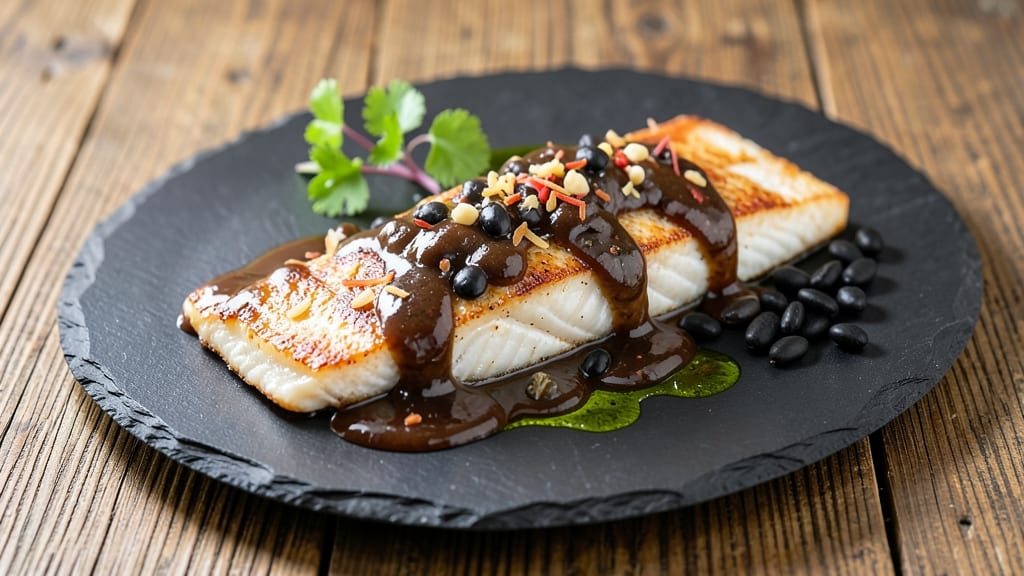
This black bean garlic sauce transforms simple fish into a restaurant-worthy meal with just 15 minutes of active prep. The sauce's deep umami from black beans and garlic creates a velvety, aromatic coating that clings perfectly to flaky fillets like salmon or cod.
I developed this recipe after realizing how much flavor was missing in my usual pan-seared fish—until I discovered how black beans could replace heavy cream while adding protein and richness.
The secret lies in balancing the sauce's texture and flavor: simmering the black beans with garlic, ginger, and a splash of soy sauce creates a thick, glossy base that's neither too sweet nor salty.
For best results, use firm white fish that holds its shape during cooking, like tilapia or cod, which absorb the sauce beautifully without falling apart. The sauce also works as a marinade if you prefer a more tender texture.
What you'll end up with is perfectly cooked fish—golden and crispy on the outside, tender and moist inside—bathed in a glossy, umami-rich sauce that ties every bite together.
The sauce's natural sweetness from the black beans complements the fish's natural flavors without overpowering them, creating a harmonious balance that's both elegant and satisfying.
Serve with steamed jasmine rice or a simple green salad to let the fish and sauce shine as the stars of the meal. The dish comes together quickly but feels special enough for dinner guests, making it perfect for weeknights or special occasions alike.
Let's bring this flavorful combination to your table!
Ingredients for black bean garlic sauce fish
Pantry staples plus a few fresh ingredients for a sauce that turns plain fish into a flavor explosion.
| Ingredient | Amount | Notes |
|---|---|---|
| White Fish Fillets 🐟 | 1 ½ lb | Cod, tilapia, or halibut preferred |
| Canned Black Beans 🌱 | 1 cup | Drained, rinsed, high-quality |
| Garlic Cloves 🧄 | 6 cloves | Freshly minced, aromatic |
| Fresh Ginger 🌿 | 1 tbsp | Grated, finely minced |
| Soy Sauce 🍶 | 2 tbsp | Low-sodium preferred |
| Extra-Virgin Olive Oil 🫒 | ¼ cup | For cooking fish |
| Vegetable Oil 🫒 | 1 tbsp | For high-heat searing |
| Lemon Juice 🍋 | 1 tbsp | Freshly squeezed |
| Honey 🍯 | 1 tbsp | Balances sauce sweetness |
| Sesame Oil 🫒 | ½ tbsp | For aroma, optional |
| Fresh Cilantro 🌿 | ¼ cup | Chopped, for garnish |
| Salt 🧂 | 1 tsp | Kosher or sea salt |
| Black Pepper 🌶️ | ½ tsp | Freshly ground |
| Jasmine Rice 🍚 | 1 cup | Uncooked, for serving |
The black beans are the secret weapon here—low-sodium canned is best to avoid salt overload. Grab the high-quality ones from the store's international aisle, not the cheapest brand. Fresh garlic and ginger make all the difference, so don't skimp. I usually grab a whole head of garlic and a thumb-sized piece of ginger from the produce section. The fish should be firm and fresh, with no fishy smell. Tilapia is the most budget-friendly, but cod holds up better if you're serving guests. For the soy sauce, Kikkoman or Lee Kum Kee are my go-tos—they've got that perfect balance of saltiness and umami.
No fresh ginger? Ground ginger at half the amount works in a pinch, but it won't be as vibrant. Short on black beans? Substitute white beans or lentils—they'll give you a similar texture. The honey balances the sauce's richness, but if you're avoiding it, maple syrup works too. For the fish, if you can't find tilapia or cod, snapper or mahi-mahi are great substitutes. The sesame oil is optional but adds that signature aroma—if you skip it, just add an extra pinch of salt. And if you're feeling fancy, swap the jasmine rice for brown rice or quinoa for a nuttier base.
This sauce keeps beautifully—3-4 days in the fridge if you make extra. The fish itself cooks in 10 minutes, so it's perfect for busy weeknights. I like to make a double batch of sauce and freeze half in ice cube trays—just thaw and reheat when needed. The rice takes 15 minutes to cook, so start that first. And if you're serving this to guests, garnish with fresh cilantro right before plating—it adds that restaurant-quality touch.
Why You'll Love This Recipe
- Pantry to Plate: I swear, this recipe lives in my "I have zero energy" folder—just open a can of black beans, mince garlic while the fish sizzles, and stir in the ginger. No chopping mountains of veggies, no fancy techniques. The sauce comes together faster than I can say "dinner’s saved."
- Umami Bomb: That garlic-soy-ginger-black bean sauce? It’s the kind of flavor that makes you pause mid-bite. The beans add this deep, earthy richness while the garlic and ginger cut through the fish’s mildness—like a cozy hug for your taste buds. (Yes, even on a Tuesday night.)
- Leftovers That Shine: This dish actually gets better the next day. The fish stays tender, the sauce thickens just enough to cling to every bite, and reheating it? Five minutes in a skillet with a splash of water. I’ve packed it for lunches, served it cold in wraps—it’s my go-to for lazy afternoons.
- Budget Meal Magic: White fish fillets might seem pricier, but the black beans stretch every bite into a full meal. A single can feeds four, and the garlic, ginger, and soy sauce cost pennies. Honestly, it’s the kind of recipe that makes me feel like I’m feeding a crowd without breaking the bank.
Step-by-step instructions for black bean garlic sauce fish
Here's how to create a rich, umami-packed sauce that transforms simple fish into a restaurant-worthy dish.
Prepare the Black Bean Base
Start by draining and rinsing the 1 cup canned black beans under cold water to remove any excess sodium. In a food processor, combine the black beans, 6 cloves freshly minced garlic, 1 tablespoon freshly grated ginger, 2 tablespoons soy sauce, and 1 tablespoon lemon juice. Pulse until you achieve a thick, chunky paste—this will form the foundation of your sauce.
Here's the thing—don't over-blend or you'll lose that beautiful texture that adds body to your sauce. You want visible bean chunks for texture contrast. Transfer this mixture to a bowl and set aside. This prep work ensures your sauce has maximum flavor without any extra effort later.
Sear the Fish to Golden Perfection
Pat the 1.5 lb white fish fillets completely dry with paper towels—this is crucial for crispy skin. Heat 1 tablespoon vegetable oil in a large skillet over medium-high heat until shimmering. Season the fish generously with 1 teaspoon salt and 0.5 teaspoon black pepper on both sides.
Add the fish to the pan and cook for 3-4 minutes per side until the skin is golden brown and crispy, and the fish releases easily from the pan. You'll know it's ready when the edges turn opaque and the fish flakes easily with a gentle fork test. Remove the fish and set aside on a plate, tented loosely with foil to keep warm.
Build the Umami Sauce
In the same skillet (no need to clean it—the browned bits add flavor), reduce heat to medium and add 0.25 cup extra-virgin olive oil. Pour in the black bean mixture and cook for 5-6 minutes, stirring occasionally, until the mixture darkens slightly and becomes aromatic. This step develops the sauce's depth of flavor.
Add 1 tablespoon honey and 0.5 tablespoon sesame oil, stirring constantly for 1-2 minutes until the sauce thickens slightly and becomes glossy. The honey balances the sauce's richness while the sesame oil adds a nutty aroma. Taste and adjust seasoning with additional soy sauce or salt if needed—this is where you can customize the sauce to your preference.
Finish and Serve
Return the seared fish to the skillet and spoon the sauce evenly over the top. Cook for an additional 1-2 minutes just to heat through and let the sauce cling to the fish. The residual heat will finish cooking the fish perfectly while infusing it with the sauce's incredible flavors.
Garnish with 0.25 cup chopped fresh cilantro and serve immediately over 1 cup cooked jasmine rice. The contrast of the fluffy rice with the rich, umami sauce and tender fish creates a harmonious balance in every bite. Don't forget to make extra sauce—it's perfect for drizzling over rice bowls or as a dip for spring rolls!
Pro Tips For Making Black Bean Garlic Sauce Fish
- Crisp the Garlic First: I learned this the hard way—when you toss raw garlic into the sauce, it just softens into a mushy, flavorless paste. Instead, dry-toast the minced garlic in a hot pan for 30 seconds until it’s sizzling and golden. That nutty aroma is the backbone of this dish, and it won’t dissolve into the sauce like it does when added later.
- Pat the Fish Dry: Wet fish fillets steam instead of sear, and that’s a fast track to soggy, flavorless protein. Grab paper towels and press hard on both sides—you’re not just drying, you’re pressing out every drop. This guarantees a crisp edge and lets the garlic-black bean sauce cling properly instead of sliding off.
- Simmer the Beans Low: After dumping in the canned beans, resist the urge to crank the heat. Let the sauce bubble gently for 3-4 minutes—this breaks down the beans just enough to thicken the sauce without turning it into a gluey mess. High heat here will split the beans, and nobody wants a watery, pasty sauce.
- Use a Splash of Water: Sounds weird, but it works: After adding the soy sauce and ginger, splash in 2 tablespoons of water. The beans release starch when heated, but this extra liquid keeps the sauce from clumping into a thick, uneven paste. Stir it in early, then let it reduce naturally—it’ll balance out perfectly.
Make-ahead tips for this black bean garlic sauce fish
Sauce Prep Ahead
The black bean garlic sauce keeps beautifully in the fridge for 3-4 days—perfect for meal prep. After making the sauce (without the fish), store it in an airtight container with a splash of water to maintain moisture.
When ready to serve, simply reheat in a skillet over medium-low heat for 3-4 minutes, stirring occasionally. This method preserves the sauce's texture and flavor without making it watery. 🌱
Fish Prep Timeline
Fish cooks in just 10 minutes, so plan accordingly. I recommend keeping the fish raw in the fridge until you're ready to cook it—this ensures maximum freshness. If prepping ahead, store the fish in an airtight container with a paper towel on top to absorb any moisture.
Cook within 24 hours for best results, as fish loses texture and flavor over time. 🐟
Rice Cooking Strategy
Jasmine rice takes 15 minutes to cook, so start it first if you're prepping everything. Use a rice cooker or pot with a 1:1.5 rice-to-water ratio for perfectly fluffy grains. Cook the rice while you prepare the sauce, then keep it warm in a covered pot on low heat.
This way, everything will be ready simultaneously when you're ready to plate. 🍚
Freezer-Friendly Sauce
Make a double batch of sauce and freeze it in ice cube trays for easy portioning. Once frozen, transfer the cubes to a freezer bag and store for up to 3 months.
To use, thaw overnight in the fridge, then reheat gently in a saucepan with a splash of water. This method keeps the sauce's texture intact and ready for quick meals. ❄️
Garnish Last Minute
Fresh cilantro adds a bright pop of color and flavor, but it's best added right before serving. Store chopped cilantro in a small airtight container with a paper towel to absorb moisture—it'll stay fresh for 2-3 days in the fridge.
Add it just before plating to keep the dish looking vibrant and restaurant-quality. ✨
Reheating Leftovers
If you have leftovers, reheat the fish and sauce together in a skillet over low heat for 2-3 minutes, stirring gently to combine. Avoid microwaving, as it can make the fish dry and the sauce watery. Serve with freshly cooked rice to keep the meal cohesive and delicious. 🔥
Nutrition facts
Frequently asked questions
Can I use frozen fish for this recipe?
Yes, but thaw it properly first! Place frozen fish fillets in a sealed bag and submerge in cold water for 20-30 minutes until fully thawed. Never microwave or use warm water, as this can make the fish mushy. Pat completely dry before cooking to ensure crispy skin.
What if I don't have a food processor for the sauce?
No problem! Mash the black beans with a fork or potato masher in a bowl, then mix in the minced garlic, ginger, and other ingredients by hand. You'll get a slightly chunkier texture, but it'll still be delicious. Just pulse in a blender for 10 seconds if you want smoother sauce.
How can I make this sauce spicier?
Add ½ teaspoon of red pepper flakes or 1 teaspoon of sriracha to the sauce while it's simmering. For extra heat, stir in 1 teaspoon of gochujang (Korean chili paste) with the honey. Adjust to taste—this sauce is versatile for different heat preferences!
Can I bake the fish instead of pan-searing?
Preheat your oven to 400°F, place the fish on a lined baking sheet, and brush lightly with olive oil. Bake for 12-15 minutes until flaky, then spoon the warm sauce over the top. The sauce will thicken beautifully in the oven's heat.
What other proteins work with this sauce?
This sauce pairs wonderfully with shrimp, chicken thighs, or tofu! For shrimp, cook for 2-3 minutes per side until pink. For chicken, increase cooking time to 6-7 minutes per side. The sauce's umami flavor complements all of them beautifully.