
Sauces & Condiments
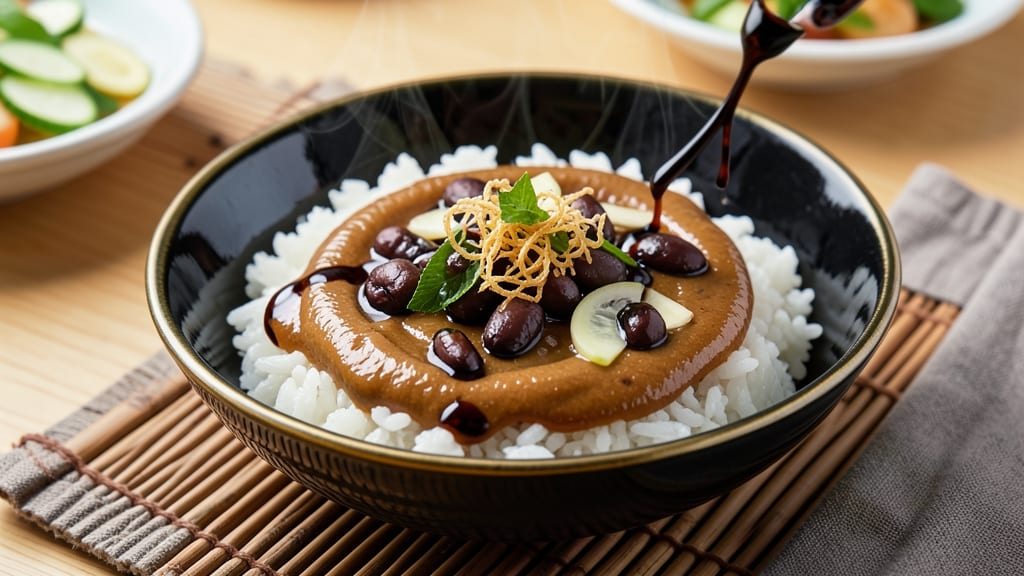
This authentic Chinese black bean sauce recipe transforms ordinary dishes into restaurant-quality meals with its deep, fermented umami flavor. The secret lies in fermented black beans—packed with salty, funky depth—that simmer with soy sauce, sugar, and aromatics until rich and glossy.
I’ve perfected a method that balances tradition with simplicity, ensuring you get that signature tangy, savory sauce without complex fermentation at home.
The beauty of this sauce is its versatility—it elevates stir-fries, braises, and even noodles with just a spoonful. The key steps involve toasting the beans to deepen their flavor and simmering everything low and slow to develop complexity.
No need for fancy techniques; just patience and a few pantry staples. This isn’t just a sauce—it’s a flavor multiplier that turns simple ingredients into something extraordinary.
What makes this recipe stand out is its authentic taste, achieved through careful balancing of sweet, salty, and umami notes. The result is a glossy, dark sauce with a smooth yet slightly textured consistency, perfect for drizzling or tossing.
It keeps well in the fridge for weeks, so you can make a big batch and use it all season long. Once you try this, store-bought versions will never compare.
Whether you’re cooking for family or prepping for meal prep, this sauce is a game-changer. It’s the kind of condiment that makes every bite taste like a visit to your favorite Chinese restaurant. Ready to elevate your cooking? Let’s get started.
Ingredients for authentic chinese black bean sauce
Pantry staples meet fermented funk for this umami bomb of a sauce.
| Ingredient | Amount | Notes |
|---|---|---|
| Fermented Black Beans 🫘 | ½ lb | Dried, not canned or salted |
| Light Soy Sauce 🥢 | ½ cup | Kikkoman preferred for balance |
| Dark Soy Sauce 🥢 | ¼ cup | For deeper color and richness |
| Brown Sugar 🍯 | ¼ cup | Packed firmly, not granulated |
| Garlic Cloves 🧄 | 6 cloves | Peeled, roughly chopped |
| Fresh Ginger 🌿 | 1 inch | Peeled, thinly sliced |
| Green Onions 🧅 | 2 whole | White and green parts separated |
| Sesame Oil 🫒 | 1 tbsp | Toasted, not flavored |
| Star Anise Pods 🌟 | 2 whole | Lightly crushed for aroma |
| White Peppercorns 🌶️ | ½ tsp | Crushed between palms |
| Water 💧 | ½ cup | Filtered preferred for clarity |
Fermented black beans are the soul of this recipe—look for dried beans at Asian markets or bulk bins (not canned). The deeper the aroma, the better. Penzeys Spices often carries them, but I’ve also found good quality at H Mart or 99 Ranch Market. Toast them in a dry pan until fragrant before adding liquid—this step unlocks their complex flavor. Fresh ginger and garlic? Buy organic if possible, but regular works too. Just make sure the ginger isn’t woody or shriveled. For star anise, whole pods are essential—ground loses its punch fast.
No fermented black beans? Double the soy sauce and add 1 tbsp miso paste for umami depth. Substitute dark soy sauce with extra light soy plus 1 tsp molasses. The brown sugar can be swapped for coconut sugar or maple syrup in a pinch. Star anise too strong? Skip it entirely—the other spices still deliver. For extra aroma, add a bay leaf (remove before blending). The green onions? Save the whites for the sauce, chop the greens for garnish later. Sesame oil is non-negotiable—toasted oil has real flavor, while 'flavored' versions taste artificial.
This sauce gets better with time—3-4 days in the fridge lets flavors meld beautifully. Store in an airtight jar with a layer of oil on top to preserve freshness. Keeps for up to 3 months in the freezer, though texture may change slightly. I make a double batch every time—one for immediate use, one to freeze. The first time you taste it after chilling overnight, you’ll understand why this becomes your pantry staple. Trust me, the wait is worth it.
Why You'll Love This Recipe
- Five-Ingredient Magic: Honestly, I swear by this—just fermented black beans, a splash of soy sauces, brown sugar, and garlic. That’s it. No fancy prep, no hidden tricks, just pure umami punch in minutes.
- Deep Umami Love: Between us, the dark soy sauce gives it that glossy, caramelized depth while the fermented beans add this funky, savory richness. One bite and you’ll understand why I keep a jar in the pantry.
- Pantry-to-Table Flex: I use this on everything—drizzled over stir-fries, tossed with rice, or even slathered on grilled chicken. It’s my secret weapon for turning simple meals into something special, no matter the occasion.
- Budget Meal Multiplier: A little goes a long way, and it keeps for weeks in the fridge. I make a big batch on Sundays, then stretch it across lunches, takeout-style dinners, and even as a marinade. Zero waste, maximum flavor.
Step-by-step instructions for authentic Chinese black bean sauce
Here's how to craft this umami-packed sauce with traditional depth and balance.
Prepare the Fermented Black Beans
Rinse the 0.5 lb fermented black beans thoroughly under cold water to remove any surface debris. This step is crucial because fermented beans often carry a salty residue that can throw off your sauce's balance. Place them in a medium saucepan and cover with 0.5 cup water—just enough to submerge them completely.
Bring to a boil over medium-high heat, then immediately reduce to medium-low and simmer for 15-20 minutes until the beans are completely tender but not falling apart. You'll know they're ready when a gentle squeeze releases no resistance and the texture becomes soft and creamy. Drain any remaining water and set aside—we'll return to these shortly.
Create the Flavor Base
In the same saucepan (no need to clean it—the flavor compounds will deepen your sauce), add 0.5 cup light soy sauce, 0.25 cup dark soy sauce, and 0.25 cup packed brown sugar. Stir to combine and bring to a gentle simmer over medium heat for 5 minutes, allowing the sugars to begin caramelizing slightly. You should see the mixture darken and thicken slightly—this is where the sauce develops its signature rich color.
Add the 6 roughly chopped garlic cloves, 1 inch thinly sliced fresh ginger, 2 lightly crushed star anise pods, and 0.5 tsp crushed white peppercorns. Stir constantly for 2-3 minutes until the garlic turns golden and the ginger becomes fragrant. The star anise will infuse subtle anise notes—don't remove it yet, as it continues to release flavor while simmering.
Build the Sauce Structure
Return the drained fermented black beans to the saucepan and stir gently to combine. Add 1 tbsp toasted sesame oil and simmer for 10-12 minutes over medium-low heat, stirring occasionally. The sauce should begin to thicken as the beans break down further, releasing their deep umami essence. You're aiming for a consistency that coats the back of a spoon but still flows freely—like thick maple syrup.
Here's where attention matters: Taste the sauce and adjust the balance. If it needs more depth, add another 1 tablespoon light soy sauce. Too sweet? A splash of water (up to 1 tablespoon) will help. The dark soy sauce provides color, so don't worry if it looks rich—authentic black bean sauce is bold and unapologetic.
Finish with Aromatics and Garnish
Remove the sauce from heat and let it cool slightly for 2 minutes. Using a fine-mesh strainer, carefully press the mixture to break down the beans further, creating an ultra-smooth texture. Return it to the pan and stir in the white parts of 2 green onions (chopped) for subtle freshness. The green parts can be reserved for garnish if desired.
For the final touch, add the green onion tops and stir just until incorporated. The sauce should now have a glossy sheen with visible bean flecks for texture. Let it cool completely before storing—this allows the flavors to meld fully. Serve warm over noodles, stir-fries, or drizzle over grilled meats for authentic Chinese restaurant flavor.
Pro Tips For Making Authentic Chinese Black Bean Sauce
- STIR CONSTANTLY AT FIRST: The first two minutes of cooking black beans on high heat are where the magic happens—don’t walk away. The beans release oils and deepen in color when they’re constantly stirred, but I’ve seen people let them sit for even 30 seconds and end up with uneven, dull sauce. Think of it like making caramel: relentless motion until the pan smells like a wet market.
- SOAK THE BEANS IF THEY’RE DRY: Fermented black beans vary wildly in moisture—some brands are packed like bricks, others are loose and crumbly. If yours feel hard or dusty, give them a quick 10-minute soak in warm water before cooking. I learned this the hard way when a batch of stubbornly dry beans refused to break down, leaving gritty bits in my sauce. (Pro move: Drain and rinse them afterward to cut excess saltiness.)
- USE DARK SOY SAUCE LAST: Dark soy sauce is your visual anchor—it’s what gives the sauce that glossy, restaurant-quality sheen. But add it too early, and the sauce turns muddy instead of rich. Wait until the last 30 seconds of cooking, then toss it in and stir like you’re trying to polish silverware. The heat will activate its color instantly, and you’ll get that glossy, appetizing finish.
- MINCE GARLIC FINE, THEN REST: Garlic burns faster than you’d think in this sauce, and nothing kills the vibe like bitter, overcooked cloves. Mince it so finely it’s almost paste-like, then let it sit in the pan for 10 seconds before adding the beans—just long enough to bloom without browning. I was skeptical until I tried it: the flavor integrates smoothly, and you avoid that “someone forgot to cook the garlic” taste.
Creative variations of this dish
Spicy Sichuan Twist
Transform this sauce into a fiery Sichuan version by adding 1 tbsp Sichuan peppercorns (toasted and crushed) and 1 tsp chili bean paste during the final simmer. The numbing heat from Sichuan peppercorns creates a unique tingle that pairs perfectly with the sauce's umami depth.
I like to add this after the initial simmer and let it infuse for 5 minutes before straining. Garnish with extra chili oil for a restaurant-style finish. 🌶️
Sweet and Tangy Glaze
For a sweeter, more glaze-like version perfect for drizzling over meats, reduce the brown sugar to 0.125 cup and add 2 tbsp rice vinegar plus 1 tbsp honey during the final simmer.
Simmer uncovered for 10 minutes to develop a glossy, syrupy consistency. This version works beautifully as a glaze for grilled pork belly or duck. The tangy-sweet balance elevates it beyond traditional uses.
Miso-Infused Depth
Swap out half the soy sauce (0.25 cup) for 0.25 cup white miso paste to create a richer, more complex umami profile. The miso adds a subtle earthiness that complements the fermented beans beautifully.
Simmer the miso into the sauce for 5 minutes before adding the beans, allowing it to fully meld with the other flavors. This version pairs exceptionally well with tofu stir-fries or ramen.
Vegetarian Adaptation
Skip the fermented black beans entirely and use 0.5 cup dried shiitake mushrooms (soaked and chopped) plus 0.25 cup vegetarian oyster sauce instead. The mushrooms provide a meaty texture while maintaining the sauce's depth.
Add the mushrooms during the initial simmer and strain them out before blending. This vegetarian version keeps all the umami richness while being completely plant-based. 🌱
Regional Cantonese Style
For a lighter, more delicate Cantonese-inspired version, reduce the dark soy sauce to 0.125 cup and add 1 tbsp Shaoxing wine during the final simmer. The wine brightens the flavor profile while maintaining the sauce's signature depth.
This version works beautifully as a dipping sauce for dumplings or a light glaze for steamed fish. The result is more refined and aromatic than the traditional Sichuan-style sauce.
Quick Ferment-Free Version
For those new to fermentation, substitute the fermented black beans with 0.5 cup black beans (soaked overnight) plus 1 tbsp soy sauce added to the soaking water. The beans will still develop flavor, though with less complexity.
Add 1 tsp molasses to mimic the fermented beans' depth. While not as authentic, this version delivers similar results with minimal effort. Perfect for beginners eager to try this sauce! ⚡
Nutrition facts
Frequently asked questions
Can I make this sauce without fermented black beans?
Yes! For a quick version, substitute with 0.5 cup soaked black beans (overnight) plus 1 tbsp molasses to mimic the fermented depth. The flavor won't be as complex, but it'll still deliver that signature umami punch. For extra richness, add 1 tbsp soy sauce to the soaking water. This works well if you can't find fermented beans at local stores.
How long does this sauce keep, and how should I store it?
Store in an airtight container in the fridge for up to 3 months, with flavors deepening over time. For longer storage, freeze for up to 6 months—thaw overnight in the fridge. Pro tip: Add a thin layer of oil on top before sealing to preserve freshness and prevent oxidation. The sauce actually tastes better after 3-4 days of resting!
What's the best way to use this sauce in dishes?
Start with 1-2 tablespoons for stir-fries, drizzle over braised meats, or use as a dipping sauce for dumplings. For noodles, mix 1 tablespoon with hot oil to create a fragrant aroma. The sauce works wonders in marinades too—just combine with 1 tbsp soy sauce and 1 tsp cornstarch for a sticky glaze. Don't be shy; this sauce is meant to be bold!
Why does my sauce taste too salty?
Fermented black beans carry natural saltiness, so taste as you go! If it's too salty, balance with 1-2 tablespoons water or a pinch of sugar. For future batches, reduce soy sauce by 1 tablespoon or use low-sodium versions. The key is gradual adjustments—add flavors in small increments to avoid over-salting.
Can I make this sauce spicier?
Add 1 tsp chili paste or ½ tsp red pepper flakes during the final simmer. For Sichuan-style heat, include 1 tbsp toasted Sichuan peppercorns (crushed) and a splash of chili oil at the end. Remember, the sauce thickens as it cools, so adjust heat before storing. Garnish with extra chili flakes for a restaurant-worthy finish!