
Sauces & Condiments
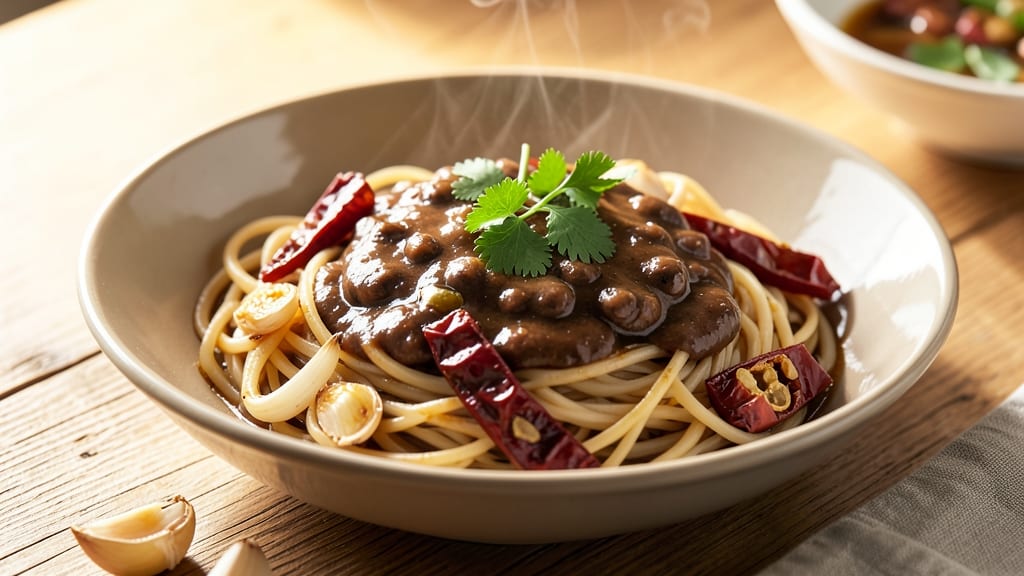
This smoky chipotle-cumin black bean noodle sauce transforms simple ingredients into a rich, velvety swirl that clings perfectly to noodles or drizzles over bowls with deep, complex flavor.
The secret lies in blending black beans with aromatic spices—cumin, smoked paprika, and chipotle—until the sauce achieves that signature velvety texture without heavy cream.
I developed this recipe after craving a sauce that was both plant-based and packed with smoky depth, and it’s become my go-to for everything from stir-fries to dipping bowls.
The sauce starts with black beans simmered in vegetable broth until creamy, then blended with roasted garlic, cumin, and chipotle peppers for that signature smoky kick. A touch of apple cider vinegar brightens the richness, while a pinch of salt and a splash of tahini add body and creaminess.
The result? A sauce that’s naturally thick, vibrant, and full of umami—no artificial thickeners or heavy dairy required.
What makes this sauce truly versatile is its ability to adapt to any dish. Use it as a stir-fry base for noodles or tofu, a dipping sauce for spring rolls or veggie sticks, or even a topping for tacos and bowls.
The smoky chipotle and earthy cumin flavors balance perfectly, making it a crowd-pleaser for both spice lovers and those who prefer milder notes. Plus, it keeps well in the fridge for up to a week, so you can make a big batch and enjoy it all week long.
The best part? This sauce comes together in under 30 minutes with just a handful of pantry staples. No fancy equipment needed—just a blender and a pot.
Whether you're meal prepping for the week or whipping up a last-minute dinner, this black bean sauce delivers restaurant-quality flavor with minimal effort. Let’s get blending!
Ingredients for black bean noodles sauce
Nine simple ingredients transform into a smoky, velvety sauce perfect for noodles or bowls.
| Ingredient | Amount | Notes |
|---|---|---|
| Black Beans 🌱 | 1 ½ cups | Cooked or canned, drained |
| Vegetable Broth 💧 | 2 cups | Low-sodium preferred |
| Chipotle Peppers in Adobo 🌶️ | 2 tbsp | Minced, plus 1 tbsp sauce |
| Ground Cumin 🌿 | 1 ½ tsp | Toasted for deeper flavor |
| Smoked Paprika 🌶️ | 1 tsp | For authentic smoky taste |
| Roasted Garlic Cloves 🧄 | 3 cloves | Roasted until caramelized |
| Apple Cider Vinegar 🍎 | 1 tbsp | Brightens the sauce |
| Tahini 🥜 | 2 tbsp | For creaminess and richness |
| Sea Salt 🧂 | ½ tsp | Adjust to taste |
| Extra-Virgin Olive Oil 🫒 | 1 tbsp | For finishing drizzle |
The black beans are the base—canned works fine, but if you're cooking from dry, soak overnight for creamier texture. Trader Joe's has the best canned black beans (low-sodium, no funny additives), but any good-quality can will do. Chipotle peppers in adobo are a game-changer here—they bring that smoky depth without needing extra spices. Toast the cumin seeds in a dry pan for 30 seconds before grinding (trust me, it makes all the difference), but pre-ground is fine if you're short on time. For the roasted garlic, throw whole cloves on a baking sheet at 400°F for 15 minutes—they caramelize beautifully.
No chipotle peppers? Smoked paprika plus a pinch of cayenne gets you close, though it won't have the same depth. Short on tahini? Substitute with 1 tbsp peanut butter or cashew butter—it adds richness but changes the flavor slightly. The apple cider vinegar is non-negotiable for brightness, but lemon juice in a pinch works too. Want it thicker? Simmer the blended sauce for 5-10 minutes. Too thin? Add 1 tsp cornstarch mixed with water. And if you're making a big batch, double the tahini—it keeps the sauce lusciously smooth.
This sauce stores beautifully—1 week in the fridge, 3 months in the freezer
Why You'll Love This Recipe
- No Pantry Panic: I keep a can of black beans and a jar of chipotle peppers in adobo just for this—no fancy shopping required. That smoky paprika and cumin? They’re the secret to turning a handful of ingredients into something that tastes like a restaurant’s slow-cooked secret.
- Smoky Depth Fast: Between us, that chipotle-in-adobo sauce and smoked paprika combo does the heavy lifting. You’re not just making noodles—you’re getting a rich, smoldering flavor that lingers without needing a 3-hour simmer. (Yes, even on a Tuesday night.)
- Leftover Hero: This sauce thickens beautifully when reheated—perfect for tossing with noodles the next day or turning into a quick quesadilla filling. I’ll be real: my lunchbox gets packed with this three times a week, and it’s never boring.
- Budget Meal Magic: A single can of black beans and a few spices stretch to feed four for under $5. Honestly, it’s the kind of recipe that makes me feel like I’m feeding a crowd without breaking the bank—or my willpower to order takeout.
Step-by-step instructions for black bean noodles sauce
Here's how to craft this velvety, smoky sauce that transforms simple noodles into a restaurant-worthy dish.
Blend the Black Bean Base
In a blender, combine the 1.5 cups black beans, 2 cups vegetable broth, 2 tablespoons minced chipotle peppers in adobo (plus the 1 tablespoon sauce from the jar), and 1.5 teaspoons ground cumin. This is your flavor foundation—don't skip blending the adobo sauce, as it adds that essential tangy depth.
Blend until completely smooth, scraping down the sides as needed. You're aiming for a silky texture that will coat your noodles beautifully. If the mixture is too thick, add 1-2 tablespoons water to reach a pourable consistency. The sauce should look like thick cream—this ensures it'll cling to every strand of noodle.
Toast the Aromatics
While the blender is running, heat a small skillet over medium heat and add the 3 roasted garlic cloves, 1 teaspoon smoked paprika, and 1 tablespoon apple cider vinegar. Toast for 1-2 minutes until the garlic is fragrant and the paprika smells deeply smoky—this step builds complex flavor layers that elevate the entire sauce.
Watch closely to avoid burning the garlic. When the mixture smells rich and aromatic (you'll know it instantly), remove from heat and let cool slightly. This quick toasting prevents the garlic from becoming bitter and adds a caramelized depth that balances the sauce's earthiness.
Simmer and Thicken
Transfer the blended bean mixture to a saucepan and bring to a gentle simmer over medium-low heat. Stir in the toasted garlic mixture, then add 2 tablespoons tahini and 0.5 teaspoon sea salt. The tahini will make the sauce luxurious and velvety, while the salt rounds out all the complex flavors.
Simmer for 8-10 minutes, stirring occasionally, until the sauce thickens to a consistency that coats the back of a spoon. If it thickens too quickly, add 1-2 tablespoons water to maintain that perfect coating ability. You're looking for a sauce that's thick but still pourable—this ensures it'll cling beautifully to noodles without being gluey.
Finish with Olive Oil
Remove the sauce from heat and stir in the 1 tablespoon extra-virgin olive oil. This final step adds richness and helps create that signature velvety sheen. Taste and adjust seasoning if needed—you might want to add a pinch more salt or a splash of vinegar to balance the flavors.
Let the sauce rest for 5 minutes before using. This resting period allows all the flavors to meld together perfectly. The sauce should be warm but not hot when you toss it with your noodles—this prevents the tahini from separating and ensures that velvety texture stays intact.
Pro Tips For Making Black Bean Noodles Sauce
- Simmer the Beans Low: Black beans break down fast when you’re impatient. After adding them to the sauce, keep the heat at a gentle simmer—just enough to maintain warmth without boiling. I learned this the hard way when my sauce turned into a mushy, watery mess because I cranked the heat too high. Five minutes of steady, low heat keeps them intact and soaking up flavor.
- Toast the Spices First: Smoked paprika and cumin need a quick dry toast in the pot before adding liquid. Heat them for 20-30 seconds until fragrant—that’s when they release their depth. I used to just toss them in with the broth, and the sauce always tasted flat. This step makes a real difference, even if it feels like overkill.
- Strain the Adobo Sauce: Chipotle peppers in adobo come in a thick, vinegary sauce that can make your noodle sauce taste sharp or overly tangy. Strain out the solids and use just 1-2 tablespoons of the liquid—enough for heat, not for acidity. I skipped this once and ended up with a sauce that tasted more like pickled peppers than smoky black beans.
- Salt the Broth Early: Taste the vegetable broth before blending it into the sauce and add salt if needed—black beans and spices dilute the flavor if you wait. I was skeptical until I tried it, but the seasoning stays balanced instead of getting lost in the mix. It’s a small step that guarantees the sauce won’t need a rescue at the end.
Essential equipment for this recipe
Blender Essentials
Your blender is the heart of this sauce—I recommend a high-powered model like the Ninja BN601 or Vitamix 5200 for silky smooth results. These handle black beans and tahini effortlessly without overheating. If you're using a basic blender, pulse frequently and scrape down sides to prevent gumming.
For extra insurance, add ½ cup water to the blend while processing to help break down the beans. 💫
Saucepan Must-Haves
A heavy-bottomed saucepan (like All-Clad Stainless or Le Creuset) prevents scorching during simmering. I use a 3-quart pan for this recipe—it gives enough room to stir without splattering. If your pan is too large, the sauce spreads thin and loses its velvety texture.
For non-stick options, GreenPan works well, but avoid aluminum as it reacts with acidity in vinegar.
Small Skillet for Aromatics
Your 8-inch cast-iron skillet (like Lodge) is perfect for toasting the garlic and spices—it retains heat evenly and develops deep caramelization. If you don't have cast iron, a non-stick stainless steel pan works too.
The key is medium heat—too hot burns the garlic, too low leaves it raw. I like to use a small skillet so the aromatics concentrate quickly without needing extra oil.
Measuring Tools
Precision matters with spices and liquids—I use a digital scale for tahini and cumin (measuring by weight gives consistent results), but a good set of measuring spoons (like OXO Good Grips) works fine.
For vinegar and broth, a liquid measuring cup prevents spills. The 1 tbsp olive oil at the end? I use a small squeeze bottle for easy drizzling over finished dishes.
Optional Upgrades
For extra smoothness, consider a food mill (like OXO Good Grips) to break down beans before blending—it reduces blender strain. A fine-mesh strainer helps if you prefer no bean specks in your sauce.
And if you make this often, a small immersion blender lets you blend right in the pot, cutting cleanup time dramatically. 🔥
Budget-Friendly Swaps
No fancy equipment? No problem. Use a regular blender (just add more water), a medium saucepan, and a non-stick skillet. For measuring, spoon-and-eye works for spices (level carefully!), and shot glasses measure liquids in a pinch.
The sauce still turns out delicious—it's all about technique, not tools. The only non-negotiable is a good blender for that velvety texture.
Nutrition facts
Frequently asked questions
Can I make this sauce without a blender?
Yes! If you don't have a blender, mash the black beans thoroughly with a fork or potato masher until smooth. For extra creaminess, strain the mixture through a fine-mesh sieve to remove any remaining lumps. The sauce will be slightly thicker but still delicious—just stir more frequently while simmering to maintain that velvety texture.
How do I adjust the spice level?
For milder heat, reduce the chipotle peppers to 1 tablespoon (minced) and omit the extra 1 tablespoon sauce from the jar. For extra kick, add an additional ½ teaspoon cayenne pepper or 1 extra chipotle pepper. Always taste as you go—you can balance heat with a splash more apple cider vinegar or a pinch of sugar.
What noodles pair best with this sauce?
This rich, smoky sauce works beautifully with udon, ramen, or egg noodles for hearty dishes. For lighter options, try rice noodles or buckwheat soba. The sauce also pairs well with zucchini noodles or shirataki noodles for a low-carb twist. Cook noodles al dente—slightly underdone strands hold up better when tossed with the sauce.
Can I make this sauce ahead of time?
This sauce tastes even better the next day as the flavors meld. Store it in an airtight container in the fridge for up to 1 week or freeze for 3 months. When reheating, warm gently over low heat and stir in 1 tablespoon water if it thickens too much. For serving, let it come to room temperature before drizzling—this prevents the tahini from separating.
What if my sauce separates?
If the sauce separates (common with tahini), simply stir vigorously or blend briefly to recombine. For a quick fix, add 1 teaspoon cornstarch mixed with 1 tablespoon water and simmer for 1-2 minutes until smooth. To prevent separation, never boil the sauce—keep heat at medium-low and stir occasionally while simmering. The sauce should stay velvety if handled gently.