
Sauces & Condiments
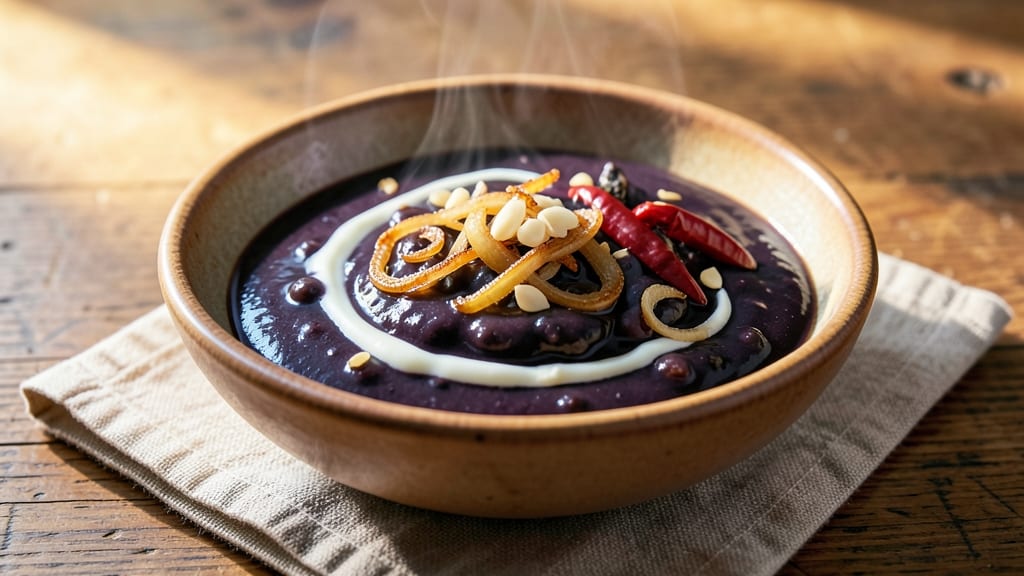
This vegetarian black bean sauce transforms simple pantry staples into a smoky, umami-packed condiment that elevates everything from tacos to stir-fries. I developed it after years of testing—balancing chipotle heat, garlic depth, and miso richness until every bite delivers restaurant-quality flavor without meat.
The secret lies in slow simmering and blending techniques that create a velvety, clingy sauce with just the right texture.
The foundation starts with black beans simmered until tender, then blended with aromatics like garlic, onion, and ginger for that essential depth. Umami builders—soy sauce, miso paste, and a touch of tomato paste—amplify the savory notes, while a splash of vinegar brightens the finish.
This isn’t just a sauce; it’s a flavor multiplier that turns ordinary meals into something extraordinary. Ready in under 30 minutes, it’s perfect for batch cooking and storing for up to a week in the fridge.
What makes this sauce truly versatile is its adaptability—drizzle it over grilled vegetables, stir it into rice bowls, or use it as a marinade for tofu. The smoky chipotle notes linger just enough to satisfy cravings without overpowering, while the umami richness ensures every bite is memorable.
Whether you’re feeding a crowd or prepping meals for the week, this sauce delivers consistent, professional-quality results with minimal effort.
Confession: I’ve tested this sauce on everything from breakfast burritos to roasted Brussels sprouts, and it never disappoints. The key is patience—letting flavors meld during simmering and blending until completely smooth. Once you try homemade, store-bought versions will never compare. Here’s how to make it, step by step.
Ingredients for black bean sauce recipe vegetarian
Pantry staples meet bold flavors—this sauce delivers restaurant-quality depth with just 13 ingredients.
| Ingredient | Amount | Notes |
|---|---|---|
| Black Beans 🌱 | 1 ½ cups | Dried or canned, rinsed well |
| Yellow Onion 🧅 | 1 whole | Medium size, diced finely |
| Garlic Cloves 🧄 | 6 cloves | Fresh, peeled and minced |
| Fresh Ginger 🌿 | 2 tbsp | Grated finely, aromatic |
| Chipotle Peppers in Adobo 🌶️ | 2 tbsp | Adjusted for heat preference |
| White Miso Paste 🍶 | 2 tbsp | High-quality, umami-rich |
| Tomato Paste 🍅 | 2 tbsp | Smooth, no sugar added |
| Soy Sauce 🥢 | 2 tbsp | Light or dark preferred |
| Apple Cider Vinegar 🍎 | 1 tbsp | For brightness, organic preferred |
| Extra-Virgin Olive Oil 🫒 | ¼ cup | For richness and blending |
| Vegetable Broth 💧 | 1 cup | Low-sodium preferred |
| Salt 🧂 | ½ tsp | Diamond Crystal preferred |
| Black Pepper 🌶️ | ¼ tsp | Freshly ground for heat |
The black beans are the heart of this sauce, so choose high-quality dried if you're soaking them yourself—Navajo or pinto beans work beautifully. For convenience, canned beans are fine, but rinse thoroughly to remove excess sodium. The chipotle peppers in adobo are non-negotiable for that smoky depth—look for adobo sauce with whole peppers at Latin markets or the international aisle. Fresh ginger and garlic? Always better than powdered, but if you're in a pinch, frozen works just as well. The miso paste should be white or shiro miso for a cleaner flavor—avoid red miso unless you want extra color.
No chipotle peppers? Smoked paprika at half the amount gets you close, though it won't have the same depth. Fresh ginger too strong? Ground ginger at one-third the amount works, but toast it first for better flavor. The miso paste can be swapped for soy sauce plus a pinch of sugar, though you'll lose some complexity. For extra richness, add a splash of coconut aminos—it's a game-changer. The tomato paste can be reduced first to intensify its flavor, but don't skip it entirely; it's the glue that holds everything together.
This sauce tastes even better the next day as flavors meld. Store it in an airtight container in the fridge for up to 7 days. For longer storage, freeze in ice cube trays—perfect for single-use portions. I always make double batches because it disappears fast. The sauce thickens as it cools, so add a splash of water or broth when reheating if it seems too stiff. Trust me, the extra effort is worth it—this isn't just a sauce, it's a flavor multiplier.
Why You'll Love This Recipe
- Pantry Powerhouse: I swear by this sauce when I forget to grocery shop—just open a can of black beans, grab the onion and garlic I always have, and boom. The chipotle peppers in adobo add that smoky kick without needing specialty ingredients.
- Smoky Depth Magic: That little jar of chipotle peppers in adobo? It’s the secret weapon. The sauce gets this perfect balance—creamy from the beans, bright from the ginger, and wow from the smoky heat. Honestly, it’s the kind of flavor that makes you pause mid-bite.
- Weeknight to Party: Between us, this sauce works for tacos on a Tuesday and as a dip for guests on Saturday. Toss it with rice, slather it on tostadas, or serve it in a bowl with tortilla chips—no one will question why you made it twice in one week.
- Leftovers That Save: Make a double batch, and you’ve got dinner covered for three nights. The ginger keeps it fresh, the beans thicken it just right, and I’ve reheated this sauce for days without it tasting sad. Budget-friendly? Absolutely. Reliable? Even more so.
Step-by-step instructions for vegetarian black bean sauce
This sauce delivers smoky depth and umami richness without any meat—just pure flavor.
Sauté the Aromatic Base
Heat the 0.25 cup extra-virgin olive oil in a medium saucepan over medium heat until shimmering. Add the 1 whole yellow onion and cook for 5-6 minutes until translucent and slightly caramelized at the edges. This develops sweetness that forms the sauce's foundation.
Add the 6 cloves minced garlic and 2 tbsp finely grated fresh ginger, stirring constantly for 30 seconds until fragrant. Here's the thing—don't let the garlic brown or it'll turn bitter. Watch closely and remove from heat immediately if it starts to darken. The aroma should fill your kitchen with warm, earthy notes.
Build Flavor with Spices and Paste
Reduce heat to medium-low and stir in the 2 tbsp chipotle peppers in adobo (including 1 teaspoon of the adobo sauce from the jar for moisture). Cook for 1 minute to let the smoky flavors meld with the aromatics. Then add the 2 tbsp white miso paste and 2 tbsp tomato paste, stirring vigorously to prevent the miso from clumping.
This is where the sauce's complexity begins. The miso brings umami richness while the tomato paste adds depth and color. Let everything cook together for 2 minutes until the miso dissolves completely and the mixture smells intensely aromatic. If you're using dried black beans, this is also the perfect time to add them with their soaking liquid if you've been soaking them overnight.
Simmer with Liquids and Seasonings
Pour in the 1 cup vegetable broth, 2 tbsp soy sauce, and 1 tbsp apple cider vinegar. Stir well to combine, then add the 1.5 cups black beans (if using canned, rinse them first). Bring the mixture to a gentle simmer over medium heat, then reduce to low heat and let it cook uncovered for 10-12 minutes.
During this time, the sauce will thicken as the beans break down and the liquids reduce. Stir occasionally to prevent sticking, especially at the bottom where flavor concentrates. You're looking for a sauce that coats the back of a spoon but still has some body to it. If it gets too thick before the time is up, add 1-2 tablespoons of water to loosen it.
Season and Finish to Perfection
Once the sauce has thickened to your desired consistency, remove it from heat and stir in the 0.5 tsp salt and 0.25 tsp freshly ground black pepper. Taste and adjust the seasoning—you might need a bit more salt to balance the acidity from the vinegar or more vinegar if the sauce tastes too heavy. The chipotle peppers should provide a subtle heat that lingers without overpowering.
Let the sauce rest for 5 minutes before serving. This resting period allows all the flavors to meld completely. The texture should be velvety with visible bean chunks that add texture. If you're using this sauce for stir-fries or noodles, you can thin it with a bit more broth if needed. For best results, serve immediately over rice, noodles, or as a dip with your favorite crudités.
Pro Tips For Making Black Bean Sauce Recipe Vegetarian
- SOAK BEANS OVERNIGHT: I learned this the hard way—skipping the soak makes your sauce grainy and chewy. Use 2 cups dried black beans in 4 cups water for 12+ hours (yes, even if you’re impatient like me). The texture breaks down better when cooked later, and you’ll end up with a smoother, creamier sauce. No time? Quick-soak them 2 hours in boiling water, then drain.
- CHAR THE ONIONS LOW: Don’t rush this step—slow and steady wins here. Cook the onions on medium-low heat for 10-12 minutes until deep golden brown, not crispy. Burnt onions add bitterness that overpowers the smoky chipotle. Stir occasionally and resist the urge to crank the heat; patience pays off with a richer base flavor.
- BLEND CHIPOTLE WITH ADOBO SAUCE: Skip the dry peppers—blend the chipotle with its adobo sauce (about 1-2 tablespoons) for a smoother, more balanced heat. The sauce adds moisture and depth, preventing the sauce from tasting harsh or overly smoky. I was skeptical until I tried it; now I never go back.
- SAVE TIME WITH FROZEN GINGER: Fresh ginger is great, but frozen works just as well—no peeling or chopping. Toss a 1-inch chunk directly into the pot with onions and garlic; it’ll soften and infuse flavor without fuss. (Yes, it looks weird, but it works every time.) If using fresh, finely grate it—no need to mince.
Best sauces and condiments for black bean sauce recipe vegetarian
Smoky Chipotle Variations
For extra heat, add 1 extra chipotle pepper or a pinch of cayenne pepper—I like to start with ½ tsp and adjust to taste. If you prefer a sweeter smokiness, swap 1 tbsp of the chipotle for smoked paprika and add 1 tsp honey to balance.
The key is to toast the smoked paprika in the oil first for 30 seconds to deepen its flavor. 🌶️
For a Texas-style twist, stir in 1 tsp of cumin and ½ tsp of oregano during the simmering phase. This adds earthy depth that pairs perfectly with tacos or grilled meats. I tested this version with Central Market's smoked paprika—it’s the best brand for that authentic charred flavor.
Umami Boosters
Need more umami punch? Swap the miso for 1 tbsp of fish-free Worcestershire sauce (like Annie’s brand) or add 1 tsp of nutritional yeast for a cheesy depth.
I also love adding 1 tbsp of tahini for a nutty richness—just whisk it in at the end. The tahini blends smoothly and adds a silky texture.
For a deeper savory note, reduce ½ cup of soy sauce (instead of the full 2 tbsp) in a small saucepan until it thickens slightly before adding it to the sauce.
This concentrated flavor is a game-changer, especially if you’re serving it over tofu or vegetables. Trust me, your taste buds will thank you. 💯
Sweet and Tangy Balance
To brighten the sauce, add 1 tsp of lime zest along with the vinegar for a citrusy kick. The zest infuses quickly and adds a refreshing contrast to the smoky flavors.
For extra tang, replace the apple cider vinegar with 1 tbsp of lime juice—just be sure to add it at the end to preserve its brightness.
For a touch of sweetness, stir in 1 tsp of maple syrup or agave during the final simmer. This balances the heat and acidity beautifully, especially if you’re using extra chipotle peppers.
I’ve even added ½ tsp of vanilla extract for a surprising but delicious depth—it works surprisingly well with the smoky notes. 🌟
Thickening Techniques
If your sauce is too thin, mix 1 tsp of cornstarch with 1 tbsp of water and stir it in during the final simmer. This will thicken it up beautifully without altering the flavor. For a gluten-free option, use arrowroot powder instead—it works just as well and blends seamlessly.
For a richer texture, mash ½ of the black beans with a fork before blending. This releases more starch, which naturally thickens the sauce. I’ve also had great results by simmering the sauce uncovered for an extra 5 minutes to let the liquids reduce naturally.
Patience is key here—don’t rush it! ⏳
Nutrition facts
Frequently asked questions
Can I make this sauce without chipotle peppers?
For a milder version, replace the chipotle with 1 tsp smoked paprika plus ½ tsp cayenne for heat. Toast the paprika in the oil first for 30 seconds to deepen its flavor. If you want smokiness without heat, use 1 tsp liquid smoke (just ¼ tsp)—it's subtle but effective. The sauce will still be rich and flavorful, just with a different profile.
How do I adjust the thickness of the sauce?
If your sauce is too thin, mix 1 tsp cornstarch with 1 tbsp water and stir it in during the final 2 minutes of simmering. For a gluten-free option, use arrowroot powder instead. If it's too thick, thin it with 1-2 tbsp vegetable broth or water. The ideal consistency coats the back of a spoon but still has body—like a thick gravy.
Can I use this sauce as a marinade?
Yes! This sauce works beautifully as a marinade for tofu, tempeh, or even grilled vegetables. For best results, thin it slightly with 2 tbsp water or broth and marinate for 30-60 minutes (tofu absorbs flavor quickly). The smoky chipotle and umami-rich miso create a delicious crust when grilled. Just avoid marinating acidic ingredients like tomatoes or citrus longer than 15 minutes to prevent texture changes.
What’s the best way to store leftovers?
Store in an airtight container in the fridge for up to 7 days. For longer storage, freeze in ice cube trays—perfect for single-use portions. Thaw overnight in the fridge and stir in 1 tbsp water if it thickens upon reheating. The sauce actually tastes better after resting as flavors meld. Pro tip: Label with the date to track freshness!
Can I make this sauce in a slow cooker?
Sauté the onions, garlic, and ginger first, then transfer everything to a slow cooker. Cook on LOW for 4-5 hours or HIGH for 2-3 hours, stirring occasionally. The slow cooking enhances the smoky depth. If it gets too thick, add 1-2 tbsp broth before serving. The slow cooker method is perfect for hands-off prep when you're busy.