
Main Courses
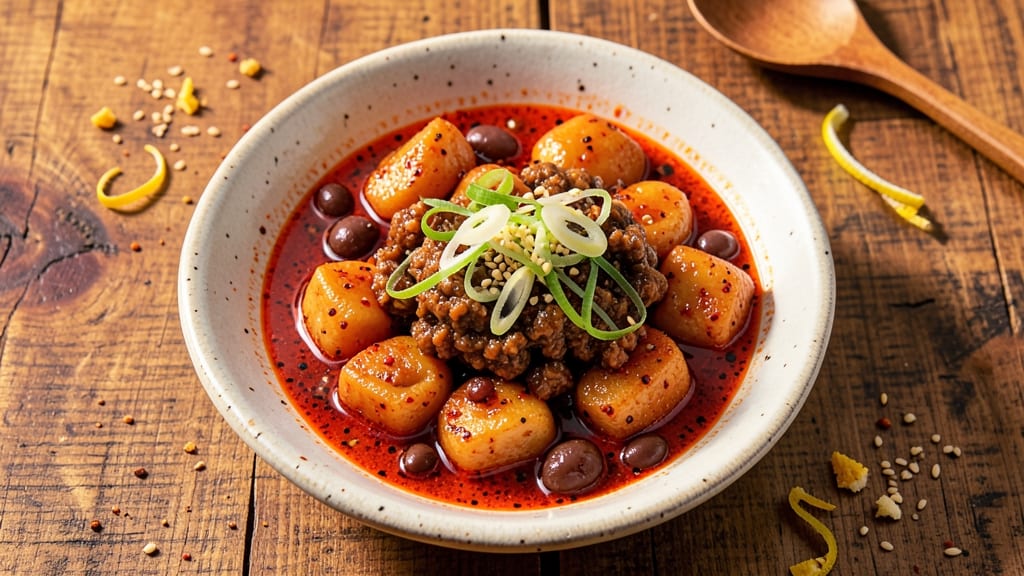
This black bean tteokbokki recipe transforms a classic Korean street food into a vegetarian powerhouse with deep umami flavor and satisfying spice. The secret lies in fermented black beans, which deliver that signature funky, savory depth without any meat.
I've perfected this version through countless test batches, balancing heat, texture, and richness to create a dish that's both authentic and approachable.
What sets this recipe apart is the two-stage cooking process—first building a rich, spicy black bean base, then gently simmering the rice cakes until they absorb all that flavor while staying tender.
The result is a dish where each bite delivers crispy, chewy rice cakes coated in a glossy, aromatic sauce with just the right kick. The umami from the black beans elevates everything, making this vegetarian version taste nothing like a compromise.
By the time you're done, you'll have a restaurant-quality tteokbokki that's perfect for weeknight dinners or impressing guests. The dish comes together in under 45 minutes, with most of that time being hands-off simmering.
Top with sesame seeds, green onions, and a fried egg if you're feeling extra indulgent—this is comfort food at its finest. Here's how to make it happen.
This recipe works equally well as a main dish or appetizer, and the leftovers reheat beautifully. The black bean base keeps well in the fridge, so you can make it ahead and assemble when ready.
Whether you're a seasoned home cook or new to Korean cuisine, this tteokbokki delivers bold flavors and satisfying textures that will have you reaching for the recipe again and again.
Ingredients for black bean tteokbokki
These bold ingredients create a vegetarian tteokbokki with restaurant-quality umami and spice.
| Ingredient | Amount | Notes |
|---|---|---|
| Fermented Black Beans 🫘 | ½ cup | Korean style, packed |
| Rice Cakes (Tteokbokki) 🍡 | 1 lb | Korean style, dried |
| Korean Red Pepper Flakes (Gochugaru) 🌶️ | 2 tbsp | Adjust for heat preference |
| Soy Sauce 🍶 | ¼ cup | Use light soy sauce |
| Sesame Oil 🫒 | 1 tbsp | Toasted, for aroma |
| Minced Garlic 🧄 | 3 tbsp | Freshly minced |
| Ginger (Fresh) 🌿 | 1 tbsp | Finely grated |
| Vegetable Oil 🫒 | 2 tbsp | For frying |
| Green Onions 🧅 | 4 whole | Sliced, for garnish |
| Toasted Sesame Seeds 🌱 | 1 tbsp | For garnish |
| Water 💧 | 2 cups | For simmering |
| Sugar 🍯 | 1 tbsp | Balances spice |
| Vegetable Broth 🍲 | 1 cup | Low-sodium preferred |
| Rice Vinegar 🍶 | 1 tbsp | For brightness |
Fermented black beans are the heart of this dish—Korean-style is ideal, but any fermented black beans work. Grab them at Asian markets or well-stocked grocery stores like H Mart. If you can't find them, soy sauce plus a splash of fish sauce (vegetarian version) mimics the funk. The rice cakes should be Korean-style (not wheat-based)—they're chewier and absorb flavor better. Costco or Amazon often carry them in bulk. Pro tip: Soak the rice cakes for 10 minutes before cooking to soften them slightly, but don't overdo it or they'll turn mushy.
No gochugaru? Korean red pepper flakes are non-negotiable for authentic flavor, but cayenne plus a pinch of paprika gets you close. Fresh ginger is best, but dried works at half the amount. The sesame oil should be toasted—Trader Joe's has a great affordable option. For extra umami, add 1 tbsp mushroom powder to the sauce. The sugar balances heat, but maple syrup works too. If you're feeling fancy, top with a fried egg—the yolk ties everything together. The rice vinegar adds brightness, but apple cider vinegar is a decent swap if you're out.
The black bean base keeps for 5 days in the fridge—make extra for quick meals. Store it in an airtight container with a layer of olive oil on top to preserve freshness. The rice cakes can be prepped ahead too—soak them, drain well, and store in a sealed bag for up to 2 days. When reheating, add 1 tbsp water per serving to keep them tender. Freeze the sauce base for 3 months—just thaw and reheat before adding the rice cakes. Garnish with sesame seeds and green onions right before serving, or they'll wilt in the hot sauce.
Why You'll Love This Recipe
- I’ll be real: fermented black beans aren’t cheap, but a little goes a long way. A small bag stretches across multiple batches, and the rest of the ingredients? Basic pantry staples. You’re getting restaurant-quality flavor for a fraction of the cost, and the fact that it’s not the prettiest dish makes it even better—no one expects perfection, just pure, satisfying taste.
- Five-Ingredient Magic: I swear by this—just fermented black beans, rice cakes, gochugaru, soy sauce, and a drizzle of sesame oil. That’s it. No chopping, no fancy techniques, just simmer and serve. The black beans bring this deep, funky umami that cuts through the sweetness of the rice cakes, and honestly? It’s the kind of dish that feels like a hug when you’re too tired to cook.
- Umami Bomb: The fermented black beans are the star here—trust me, they pack a punch. That salty, slightly funky flavor? It’s the kind of taste that lingers, making every bite feel like a little celebration. Plus, the gochugaru adds just the right kick without overpowering, so it’s spicy but balanced. Between us, this isn’t your average rice cake dish.
- Potluck or PJs: This recipe works everywhere. Bring it to a potluck—it’s hearty enough to stand alone but fun enough to share. Or make a big batch for lazy Sundays when you’re in pajamas and don’t want to fuss. The leftovers? Still delicious reheated, especially if you toss them with a fried egg on top. (Yes, even on a Tuesday night.)
Step-by-step instructions for black bean tteokbokki
Here's how to make this spicy, umami-rich dish with perfect texture and balance.
Prepare the Fermented Black Beans
Rinse the 0.5 cup fermented black beans under cold water to remove any excess salt or debris. Place them in a small bowl and gently mash about half of them with a fork until they break down into a chunky paste—this creates depth of flavor. Leave the remaining beans whole for texture contrast.
Here's the thing—these beans are packed with funky, fermented goodness. The mashing releases their umami essence while keeping some whole beans for that satisfying bite. Don't over-mash or you'll lose that essential texture. Set the prepared beans aside while you prep the other ingredients.
Fry the Rice Cakes Until Golden
Heat 2 tablespoons vegetable oil in a large skillet over medium-high heat until shimmering. Add the 1 pound rice cakes (tteokbokki) in a single layer, being careful not to overcrowd. Fry for 2-3 minutes per side until they develop a deep golden brown color and crisp up slightly.
This is where the magic happens—the initial fry gives those rice cakes their signature crispy exterior while keeping them tender inside. You'll know they're ready when they release easily from the pan and have a nice caramelized color. Don't walk away during this step; constant attention prevents burning. Transfer the fried rice cakes to a plate and set aside.
Build the Spicy Sauce Base
In the same skillet (no need to clean it—the flavor is in those browned bits), reduce heat to medium and add 2 tablespoons vegetable oil. Add the 3 tablespoons minced garlic and 1 tablespoon finely grated ginger, cooking for 1-2 minutes until fragrant but not browned.
Watch the garlic carefully—it burns in seconds. You want it just aromatic, not crispy. Here's what I do: stir constantly and pull the pan off heat if it starts to darken. Add the 2 tablespoons Korean red pepper flakes (gochugaru) next, stirring for 30 seconds to toast them lightly and deepen their flavor.
Simmer the Flavorful Broth
Pour in the 0.25 cup soy sauce, 1 tablespoon sesame oil, 1 tablespoon sugar, 1 tablespoon rice vinegar, and 1 cup vegetable broth. Bring to a gentle simmer over medium heat, then add the 2 cups water and the prepared fermented black beans.
Let this mixture simmer for 5 minutes to allow the flavors to meld together. You'll notice the sauce developing a rich, reddish color and a complex aroma—this is where the umami and spice come together. The sugar helps balance the heat while the vinegar adds brightness. Taste and adjust seasoning if needed; you might want to add a pinch more gochugaru for extra heat.
Combine and Finish
Return the fried rice cakes to the skillet and gently stir to coat them evenly in the sauce. Simmer for an additional 3-4 minutes until the rice cakes are heated through and the sauce has thickened slightly to cling to them.
Here's the final touch: remove from heat and stir in the sliced 4 green onions. Let the tteokbokki rest for 2 minutes before serving to allow the flavors to settle. Garnish with 1 tablespoon toasted sesame seeds just before serving for that perfect finishing touch.
Pro Tips For Making Black Bean Tteokbokki
- BLAND THE BEANS FIRST: Fermented black beans pack a funky punch—if you skip toasting them in a dry pan for 3-4 minutes until fragrant, you’ll end up with a dish that tastes like a science experiment. I learned this the hard way after serving a batch that smelled more like a gym sock than Korean comfort food.
- SOAK THE RICE CAKES: Tteokbokki need a quick 5-minute soak in warm water (not boiling) before cooking, or they’ll turn to mush like overcooked pasta. Use twice the volume of water as rice cakes—just enough to soften, not drown them. (Yes, even if you’re impatient like me.)
- CONTROL THE GOCHUGARU: Dump in all the gochugaru at once, and you’ll either scorch it or end up with a sad, watery sauce. Start with half the amount, let it bloom in the oil for 30 seconds, then adjust to taste—this guarantees a balanced heat without bitterness. (Your future self will thank you.)
- FINISH WITH SESAME OIL: Toss in sesame oil at the very end, off the heat, or it’ll burn and turn the whole dish acrid. A single teaspoon is enough—just enough to coat the rice cakes and add that nutty aroma. (Does it look weird? Yes. Does it work? Every single time.)
Dietary considerations for this recipe
Vegetarian Protein Power
Fermented black beans deliver a complete protein with all nine essential amino acids—about 15 grams per ½ cup serving. This makes your tteokbokki a satisfying meat-free option while maintaining that rich, savory depth traditionally achieved with anchovies or fish sauce.
The fermentation process also enhances digestibility, making these beans gentler on your stomach than many other legumes. 💪
Gluten-Free Friendly
This recipe is naturally gluten-free as long as you use certified gluten-free soy sauce (like Kikkoman Gluten-Free Tamari). The rice cakes in traditional tteokbokki often contain wheat, but Korean-style rice cakes made from mung bean starch or sweet rice flour work perfectly.
I recommend H Mart brand rice cakes—they're specifically labeled gluten-free and hold up beautifully during frying. Always double-check packaging if you're sensitive to cross-contamination.
Low-FODMAP Options
For those managing FODMAP sensitivities, swap the fermented black beans for ½ cup well-cooked lentils (low-FODMAP) and reduce the garlic to 1 clove (finely minced). The rice cakes are naturally low-FODMAP, but verify the brand's ingredients—some contain high-FODMAP additives.
Substitute rice vinegar with apple cider vinegar (also low-FODMAP) and use low-sodium vegetable broth to keep the dish gentle on digestion while preserving all the umami punch. 🌿
Nut-Free Adaptations
Sesame seeds and sesame oil are common allergens, but you can easily adapt this recipe. Replace the 1 tbsp toasted sesame seeds with 1 tbsp chopped cilantro or crispy fried shallots for garnish.
For the 1 tbsp sesame oil, use 1 tbsp neutral oil (like avocado or grapeseed) plus ½ tsp toasted sesame paste (if tolerated) to maintain aroma without risk. Always check your sesame oil label—some brands process in facilities with nuts.
Spice Level Control
Adjust heat to your preference using Korean red pepper flakes (gochugaru). For mild heat, reduce to 1 tbsp total (instead of 2) and add ½ tsp sugar to balance.
For extra spice, add 1 tsp gochujang (Korean chili paste) to the sauce base—it deepens flavor while intensifying heat. Keep a small bowl of plain rice cakes on the side for those who want to avoid spice entirely.
The black beans naturally temper the heat with their earthy umami notes. 🌶️
Meal Prep Flexibility
This dish reheats beautifully while maintaining texture, making it perfect for meal prep. Store the sauce base separately from the fried rice cakes in airtight containers. When reheating, combine and add 1 tbsp water per serving to prevent drying.
The black bean sauce keeps for 5 days in the fridge—its fermentation actually improves over time! For freezer storage, freeze the sauce base only (without rice cakes) for up to 3 months. Thaw overnight in the fridge before reheating. 📅
Nutrition facts
Frequently asked questions
Can I substitute other beans for fermented black beans?
Fermented black beans provide that signature umami depth, but you can use ½ cup well-cooked soybeans or ½ cup miso paste (dissolved in the broth) as substitutes. For a non-fermented option, try ½ cup black soybeans (soaked overnight) or 1 tbsp mushroom powder mixed into the sauce. The fermentation is key for authentic flavor, but these alternatives still deliver rich, savory notes.
Why do the rice cakes need to be fried first?
Frying the rice cakes first creates that perfect crispy-chewy texture that defines authentic tteokbokki. The initial sear locks in moisture while building flavor from the caramelization. If you skip frying, the rice cakes will absorb too much sauce and turn mushy. For a quicker method, you can parboil them for 2 minutes first, then pan-fry until golden.
How can I make this spicier or milder?
For extra heat, add 1 tsp gochujang (Korean chili paste) to the sauce base or increase gochugaru to 3 tbsp total. For milder heat, reduce gochugaru to 1 tbsp and add ½ tsp sugar to balance. The black beans naturally temper spice with their earthy flavor. Always keep a small bowl of plain rice cakes on the side for non-spicy eaters.
Can I make this dish ahead of time?
Store the sauce base separately from fried rice cakes in airtight containers for 5 days in the fridge. Reheat by combining and adding 1 tbsp water per serving. For freezer storage, freeze only the sauce base (without rice cakes) for up to 3 months. Thaw overnight in the fridge before reheating. The flavors actually improve as the sauce sits!
What's the best way to serve this dish?
Serve hot with steamed rice to soak up the flavorful sauce. Top with fried egg, sliced green onions, and toasted sesame seeds for extra richness. For a complete meal, pair with kimchi and a side of quick-pickled cucumbers. The black bean sauce works well as a dipping sauce for dumplings or spring rolls too.