
Soups & Stews
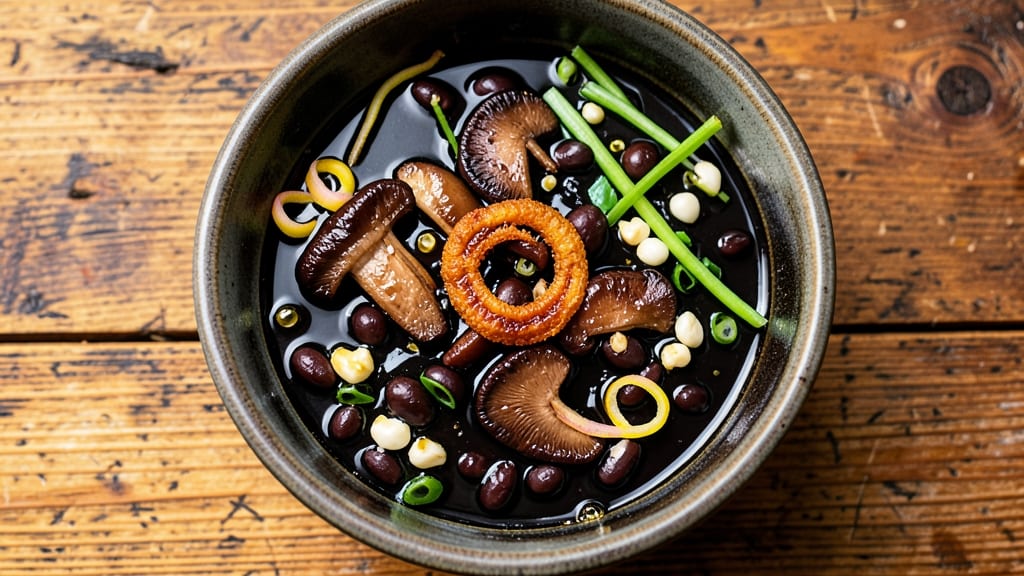
This black soybean soup recipe transforms humble ingredients into a velvety, umami-rich masterpiece that balances earthy depth with silky smoothness. The key lies in slow-cooking the black soybeans until they dissolve into the broth, creating a naturally thick, velvety texture without any blending.
What sets this version apart is the careful balance of aromatics—ginger, garlic, and scallions—that build complex layers of flavor over time.
The process begins with soaking the black soybeans overnight to ensure they soften completely, then simmering them for hours until their natural starches release into the broth. This traditional technique creates a soup that's both nourishing and deeply satisfying, with a texture that's impossible to achieve with shortcuts.
The result is a bowl that's rich in plant-based protein and packed with umami flavor from the soybeans themselves.
What makes this recipe particularly special is its versatility—it works equally well as a light lunch or comforting dinner, and the broth can be adjusted to be lighter or richer based on your preference.
The final touch comes in the garnish: crisp scallions, toasted sesame seeds, and a drizzle of chili oil add contrasting textures and temperatures that elevate each spoonful. This isn't just soup; it's a complete meal in a bowl.
The beauty of this recipe lies in its simplicity once you understand the key techniques. No special equipment is needed—just patience for the soaking and simmering.
The reward is a soup that's deeply flavorful, naturally thickened, and full of the kind of umami richness that makes it impossible to stop at just one bowl. Ready to experience the difference?
Ingredients for black soybean soup
Earthy black soybeans and aromatic vegetables create velvety umami richness in this nourishing vegan bowl.
| Ingredient | Amount | Notes |
|---|---|---|
| Black Soybeans (Dried) 🌱 | ½ cup | Soaked overnight, organic preferred |
| Fresh Ginger Root 🧄 | 2 tbsp | Grated, peeled, fresh preferred |
| Garlic Cloves 🧄 | 4 cloves | Peeled, minced finely |
| Green Onions (Scallions) 🧅 | ½ cup | White and green parts, chopped |
| Dried Shiitake Mushrooms 🍄 | 2 whole | Rehydrated, stems removed |
| Vegetable Broth 💧 | 4 cups | Low-sodium, homemade preferred |
| Sesame Oil 🫒 | 1 tbsp | Toasted, for finishing |
| Toasted Sesame Seeds 🌾 | 1 tbsp | For garnish, store-bought or homemade |
| Chili Oil 🌶️ | 1 tbsp | Homemade or store-bought, optional |
| Sea Salt 🧂 | 1 ½ tsp | Diamond Crystal preferred |
| White Pepper 🌶️ | ½ tsp | Freshly ground for subtle heat |
| Rice Vinegar 🍶 | 1 tbsp | For brightness, apple cider substitute |
| Coconut Oil 🥥 | 1 tbsp | For simmering, virgin preferred |
| Dried Dulse Flakes 🌊 | 1 tsp | Optional, for oceanic depth |
The black soybeans are the heart of this soup—organic, non-GMO beans from Asian markets or specialty stores deliver the deepest flavor. Soaking overnight ensures they soften completely, but if you're short on time, a 6-hour soak in warm water works too. Look for whole dried beans, not the pre-cooked kind, as they develop more umami during slow cooking. The dried shiitake mushrooms should be plump and firm—rehydrate them in hot water for 20 minutes before using. For the ginger and garlic, fresh is non-negotiable—powdered versions lack the complexity this dish needs.
No black soybeans? Substitute with equal parts adzuki beans or black lentils, though texture will differ slightly. Fresh ginger or garlic not available? Use 1/2 tsp ground ginger or 1 tsp garlic powder, but expect less depth. The chili oil can be swapped for sriracha or gochujang if needed, though sesame oil's nutty notes are essential. For extra umami without mushrooms, add 1 tbsp soy sauce or 1/2 tsp MSG. The rice vinegar adds brightness—apple cider vinegar works too—but don't skip it. The dulse flakes are optional but elevate the oceanic notes if you love seafood flavors.
Store leftover broth in glass jars for up to 5 days—it reheats beautifully and tastes even better the next day. The soybeans and mushrooms can be prepped ahead and refrigerated for 3 days before simmering. For freezer storage, portion the soup into ice cube trays—thaw and reheat individual servings as needed. The garnishes (scallions, sesame seeds) should be added fresh at serving time to maintain their crisp texture. This soup freezes exceptionally well for up to 3 months, though the texture may slightly alter upon thawing.
Why You'll Love This Recipe
- No-Soaking Needed: I’ll admit, I was skeptical about dried black soybeans—until I realized they only need a quick rinse before simmering. No overnight soaking, no fuss, just 15 minutes of hands-off cooking while the rich, nutty flavor builds effortlessly.
- Umami Bomb Combo: That first bite of shiitake mushrooms and garlic? Pure satisfaction. The dried mushrooms add depth without extra prep, and the ginger cuts through with just the right kick—like a cozy hug in a bowl.
- Meal Prep MVP: Between us, this soup tastes better the next day. I make a big batch on Sundays, and it’s my go-to for lunches—reheats perfectly, and the soybeans stay tender. Even my picky husband asks for seconds.
- Pantry Goldmine: Honestly, this recipe costs me pennies per serving. Black soybeans and dried shiitake last forever, and I use the same base for stir-fries or rice bowls. Budget-friendly doesn’t mean boring—this is hearty, filling, and always hits the spot.
Step-by-step instructions for black soybean soup with earthy umami depth
This method transforms simple ingredients into a velvety, deeply flavorful soup where each component plays a crucial role.
Prepare the Black Soybeans and Shiitake Mushrooms
Begin by soaking the 0.5 cup Black Soybeans (Dried) in cold water for at least 8 hours or overnight. This ensures they soften properly and infuse the broth with their signature nutty depth. Drain and rinse before use.
For the 2 whole Dried Shiitake Mushrooms, place them in a heatproof bowl and cover with hot water. Let them soak for 20 minutes until pliable, then squeeze out excess water and finely chop the rehydrated caps. The mushrooms will contribute an earthy, almost meaty texture that complements the soybeans perfectly.
Build the Aromatic Base
Heat 1 tablespoon Coconut Oil in a heavy-bottomed pot over medium heat. Add the 2 tablespoons Fresh Ginger Root and 4 cloves Garlic Cloves, cooking for 2-3 minutes until the ginger becomes fragrant and the garlic turns golden. This step develops the foundational flavors that will carry through the soup.
Add the drained black soybeans and chopped shiitake mushrooms to the pot. Stir gently to coat in the oil and aromatics, then pour in the 4 cups Vegetable Broth. Bring to a gentle simmer, then reduce heat to low and let it cook uncovered for 45-50 minutes, stirring occasionally. The soybeans should soften completely, and the broth should thicken slightly into a silky consistency.
Season and Refine the Soup
Once the soybeans are tender, stir in the 1.5 teaspoons Sea Salt, 0.5 teaspoon White Pepper, and 1 tablespoon Rice Vinegar. Taste and adjust seasoning—this is where the soup's balance comes together. The vinegar brightens the earthy flavors, while the pepper adds subtle warmth without overpowering.
For the final touch, remove the pot from heat and stir in the 1 tablespoon Toasted Sesame Seeds and 1 teaspoon Dried Dulse Flakes. These ingredients add layers of complexity: the sesame seeds contribute a nutty crunch, while the dulse imparts a briny oceanic note that elevates the umami profile.
Finish with Textural Contrast
Ladle the soup into bowls, reserving a small amount of broth. Drizzle each serving with 1 tablespoon Sesame Oil and 1 tablespoon Chili Oil, then garnish with the 0.5 cup Green Onions (Scallions), chopped into both white and green sections. The chili oil adds a gentle heat that cuts through the richness, while the scallions provide freshness and color contrast.
Serve immediately with crusty bread or steamed rice to soak up the velvety broth. The interplay of textures—creamy soybeans, tender mushrooms, crisp scallions, and silky oil—makes each spoonful a harmonious experience. For depth, stir a splash of reserved broth into the pot before serving to adjust consistency if needed.
Pro Tips For Making Black Soybean Soup
- SOAK BEANS OVERNIGHT: Dried black soybeans need at least 8 hours—or better, overnight—in cold water to soften properly. I used to rush this and end up with chewy, undercooked beans that ruined the whole dish. Trust me, the extra time makes all the difference in texture.
- SIMMER LOW AND SLOW: After the initial boil, drop the heat to a gentle simmer—think tiny bubbles, not rolling. I learned this the hard way when I kept the heat high and ended up with split beans and a bitter broth. Patience here keeps the beans intact and the flavor deep.
- PREP GINGER THIN: Slice the ginger paper-thin (about 1/16-inch) so every bite gets its bright, peppery kick. Thick slices hide in the background, and you’ll miss that freshness that cuts through the earthy beans. A mandoline makes this easy, but a sharp knife works too.
- SAVE THE SHIITAKE SOAK: Don’t dump that starchy mushroom water—strain it and add it back to the pot. That liquid is packed with umami, and skipping it means a soup that’s just good instead of unforgettable. Even if it looks murky, it’s flavor gold.
Common mistakes when making this recipe
Over-Soaking the Soybeans
Black soybeans need just enough time to soften—any longer than 12 hours in water can make them mushy and waterlogged. I’ve ruined batches by leaving them soak overnight in warm water instead of cold.
Stick to 8-12 hours in cold water or 6 hours in warm water to keep them firm yet tender. Drain thoroughly before cooking to avoid a watery broth. 🌱
Skipping the Aromatic Base
Rushing the ginger and garlic step is a huge mistake—they’re the flavor anchors of this soup. Cooking them until fragrant (2-3 minutes) develops their oils, which infuse the broth.
If you skip this or undercook them, your soup will taste flat. I once made this with raw garlic—it was noticeably weaker. Always toast your aromatics! 🧄
Boiling Too Vigorous
Bringing the soup to a rolling boil will cause the soybeans to break apart prematurely, turning your velvety texture into a grainy mess. Maintain a gentle simmer at all times—you should see tiny bubbles breaking the surface, not violent churning.
A heavy-bottomed pot helps prevent hot spots that could scorch the beans. 🌡️
Under-Simmering Time
The magic happens during the 45-50 minute simmer—this is when the soybeans release their natural starches for that signature thickness. I’ve seen cooks cut this to 30 minutes for speed, but the result is a thin, flavorless broth.
Be patient; the longer they cook, the deeper the umami. Taste at 40 minutes to check for doneness.
Ignoring the Vinegar
The 1 tablespoon rice vinegar is non-negotiable—it brightens the earthy flavors and balances the richness. Without it, the soup can taste flat or overly heavy. I once made this without vinegar and was shocked at how dull it was.
Add it at the end with the salt and pepper for perfect harmony. 🍶
Over-Garnishing
While garnishes elevate the dish, too much can overwhelm. A light drizzle of sesame oil and chili oil (just 1 tbsp each) is enough—adding more turns the soup into a saucy mess.
I’ve seen people pour ¼ cup of oil, which completely alters the texture. Less is more; let the soup’s natural flavors shine. 🫒
Nutrition facts
Frequently asked questions
Can I use canned black soybeans instead of dried?
Canned black soybeans won't work for this recipe—they're pre-cooked and won't develop the same velvety texture or umami depth. The slow simmering of dried beans releases their natural starches, creating that signature silky consistency. If you're short on time, try black adzuki beans (dried), but they'll have a slightly different texture.
How do I make this soup spicier?
For extra heat, add ½ teaspoon red pepper flakes to the simmering broth or increase the chili oil to 2 tablespoons per serving. You can also stir in 1 teaspoon gochujang (Korean chili paste) during the final seasoning step. Always adjust to taste after adding the vinegar and salt.
Can I prepare this soup ahead of time?
This soup actually tastes better the next day! Store the cooked (ungarnished) soup in an airtight container in the refrigerator for up to 4 days. Reheat gently on low heat, then add fresh garnishes before serving. The flavors meld beautifully overnight, making it perfect for meal prep.
What's the secret to the creamy texture?
The secret lies in the 45-50 minute simmer—this is when the soybeans break down and release their natural starches into the broth. Don't rush this step! Also, using a heavy-bottomed pot prevents scorching, which can make the broth cloudy. The mushrooms also contribute to the velvety mouthfeel.
Is this soup gluten-free?
Yes, this recipe is naturally gluten-free! Just ensure your vegetable broth is certified gluten-free and check that all other ingredients (like dulse flakes) don't contain hidden gluten. The sesame oil and seeds are typically gluten-free, but always verify labels if you have sensitivities.